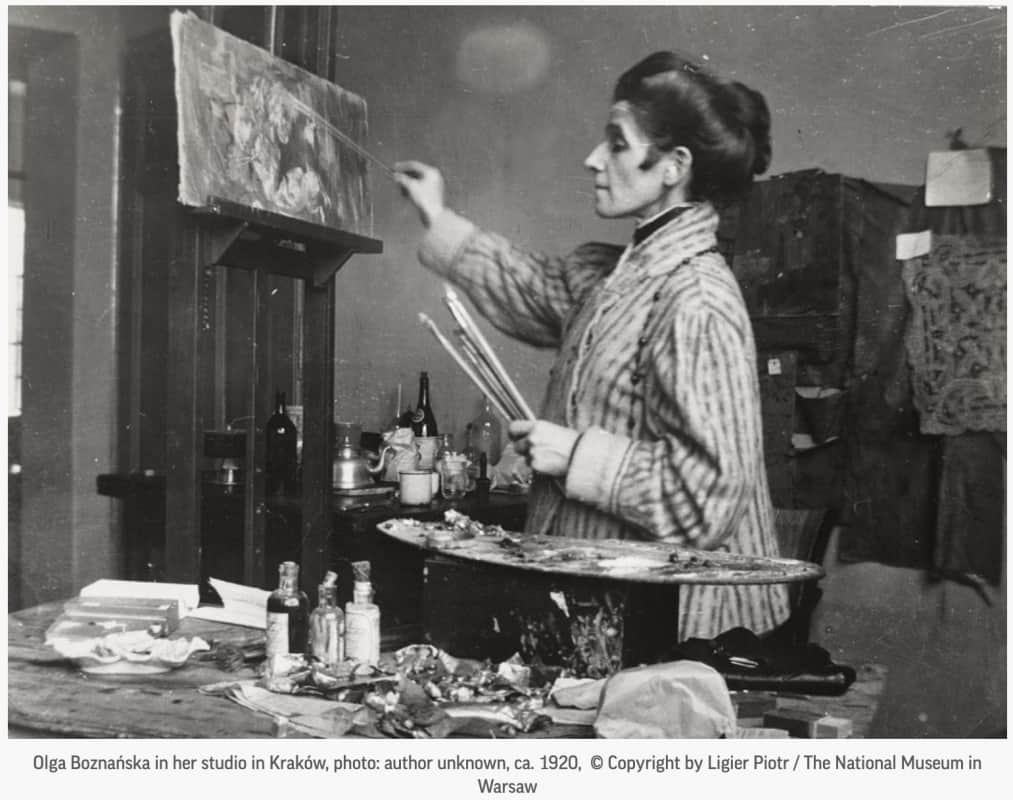
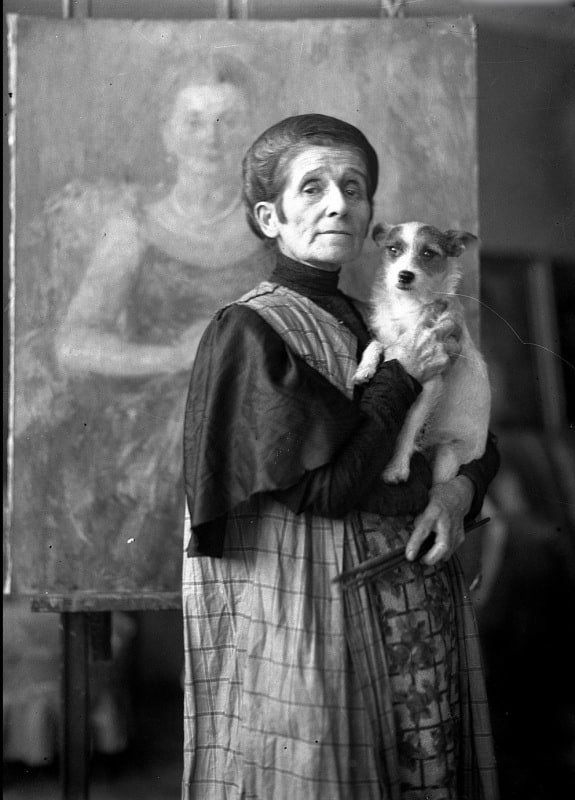
Olga Boznańska
15 April 2021
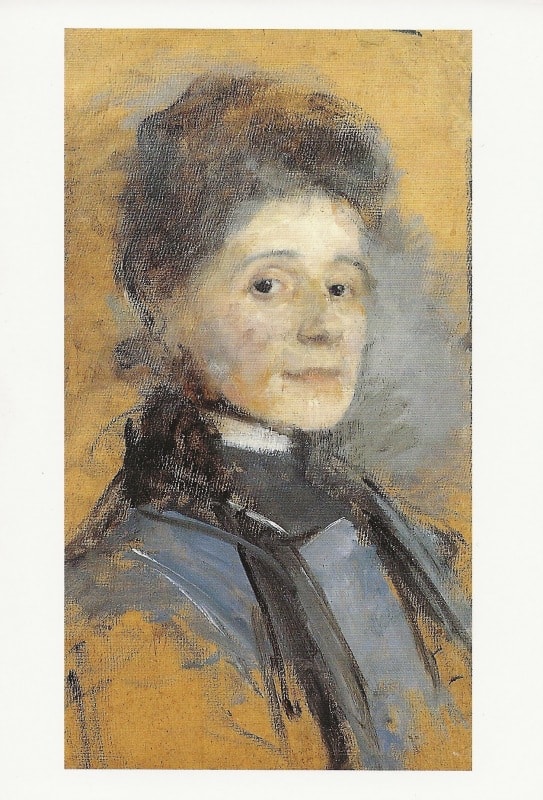
Self portrait, c.1900. Oil. Private collection.
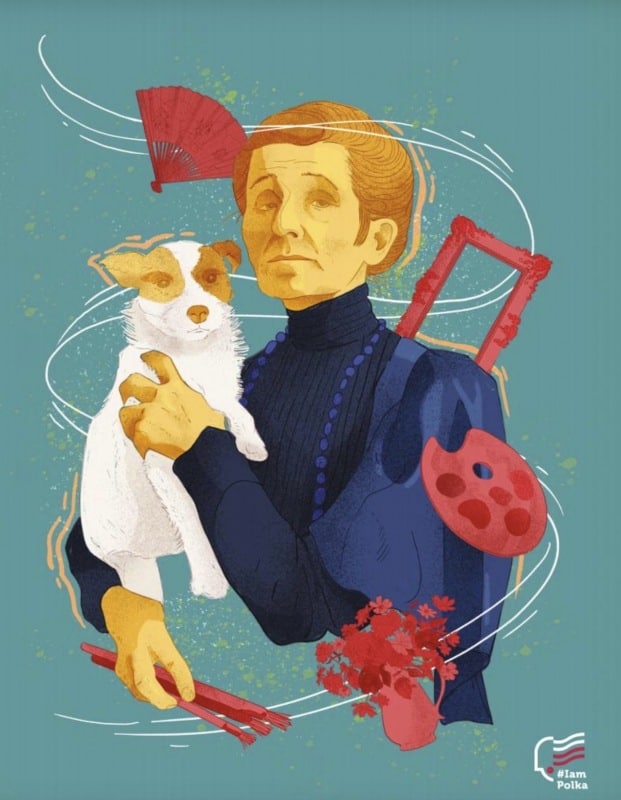
The Polish Institute in London has posted a short video from a collection entitled ‘I am Polka: Outstanding Polish women’ – to draw attention to the painter Olga Boznańska, who was born on this day in 1865.
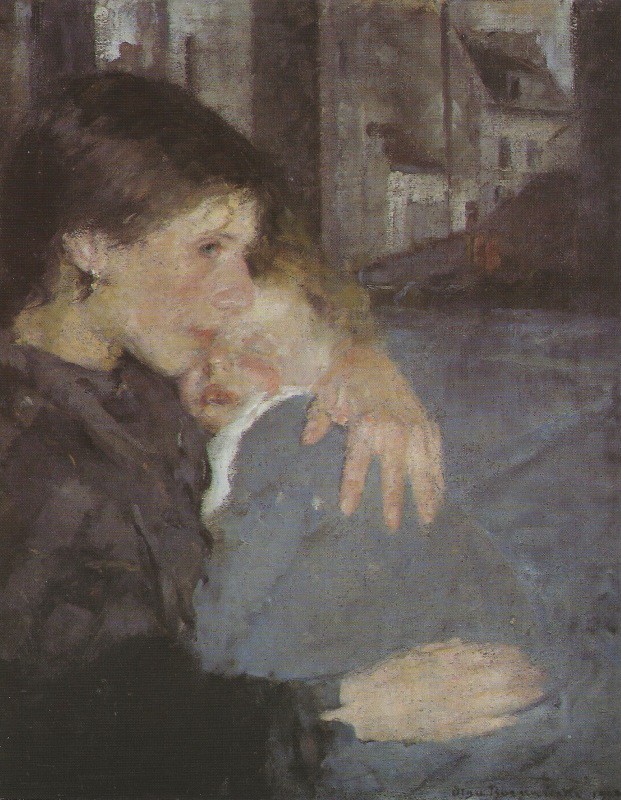
Motherhood, 1902. Oil on card. Collection of Marek Mielniczuk, Paris
I first encountered Boznańska’s work on a visit to Poland with the Textile Society in 2006. I knew next to nothing about Polish art then and tried to absorb as much as possible in the few days we spent first in Warsaw and then in Kraków. (We also visited Łódź, Poznan and Bielsko-Biała, but our focus in those cities was on ethnography, folk dress and the textile industry, rather than fine art.) The National Museum in Kraków was a highlight of the trip for me. I bought several postcards of Boznańska’s work:
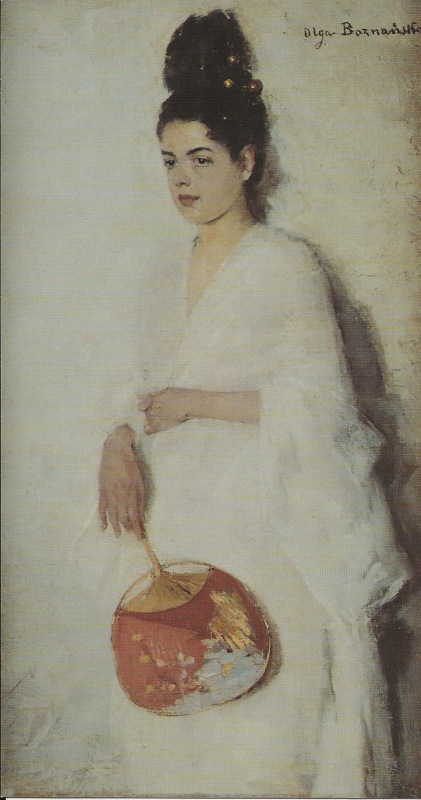
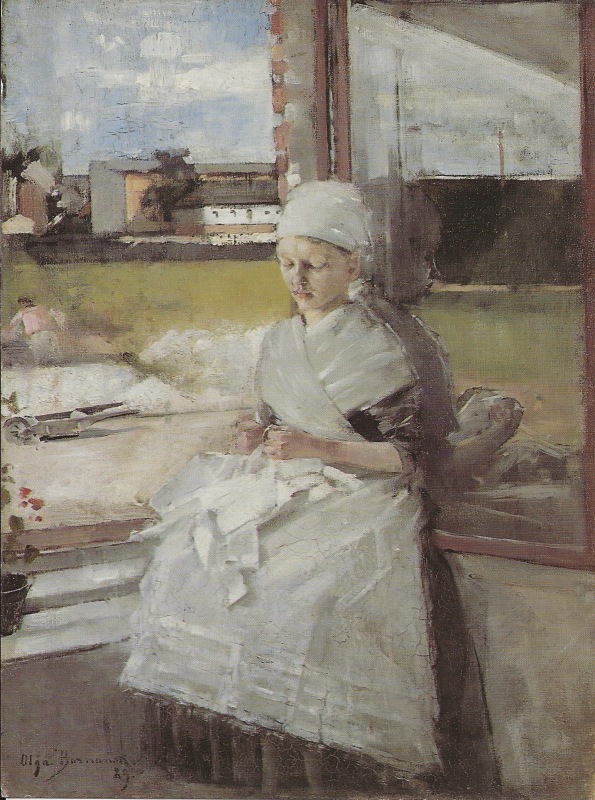
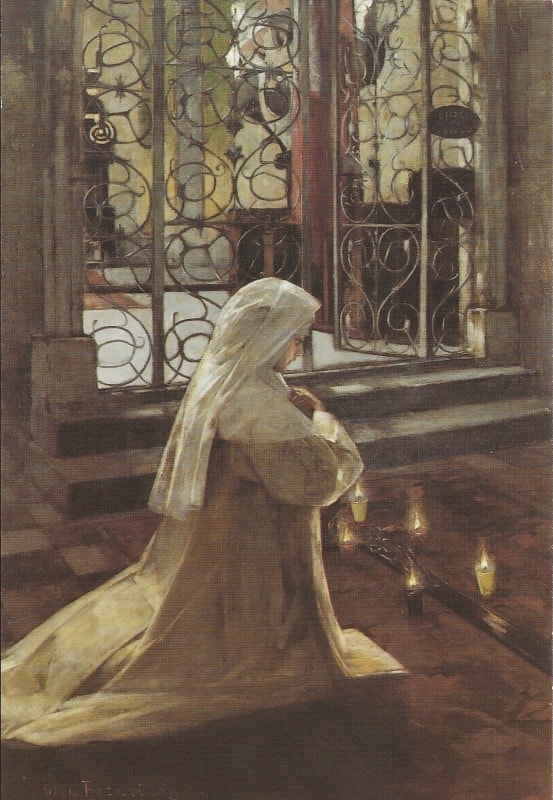

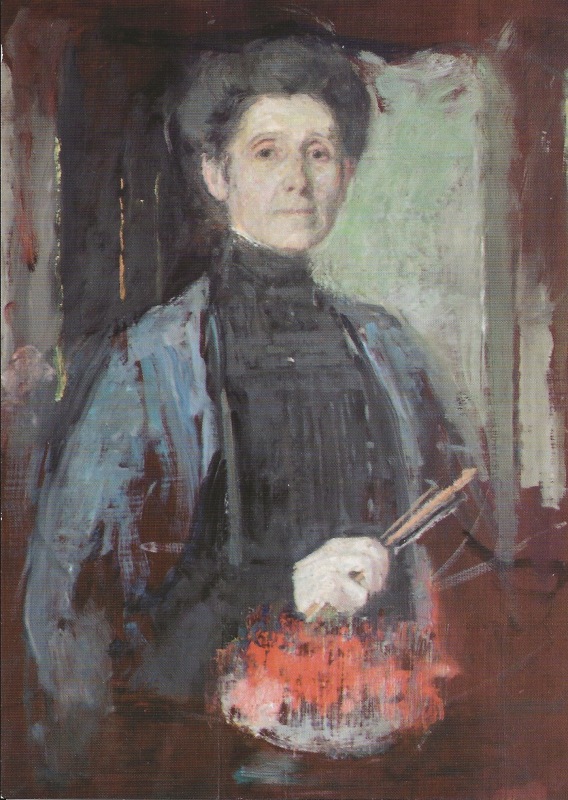
The following text is also from ‘I am Polka’:
‘It was said of her that she didn’t paint the eyes but expressions; not lips but a smile or a sob. She could detect the inner anxieties of her subjects and depict spirituality in a human palm. Her most famous painting, ‘Girl with Chrysanthemums’, fascinated contemporary critics and was described as so enigmatic that those who gazed at it for too long risked madness.

Girl with Chrysanthemums, 1894. Oil on card. National Museum, Kraków
Boznańska was born in 1865 in Kraków. From an early age, she was passionate about the visual arts and her artistic talent was quickly discovered. Her parents were determined that she received the best education. She took private lessons with the best artists in and attended many courses. In order to develop her technique, she went to Munich in 1886 to study art. As a woman, she was not allowed to enter the Academy of Fine Arts and was forced to study privately. Later on, she stated that it was in Munich where she learned to paint properly. The ‘Portrait of Paul Nauen’ (1893), a breakthrough in her career, was painted there. With this piece she demonstrated both technical mastery and extraordinary sensitivity. This painting heralded her great talent and opened the door to the international art community.
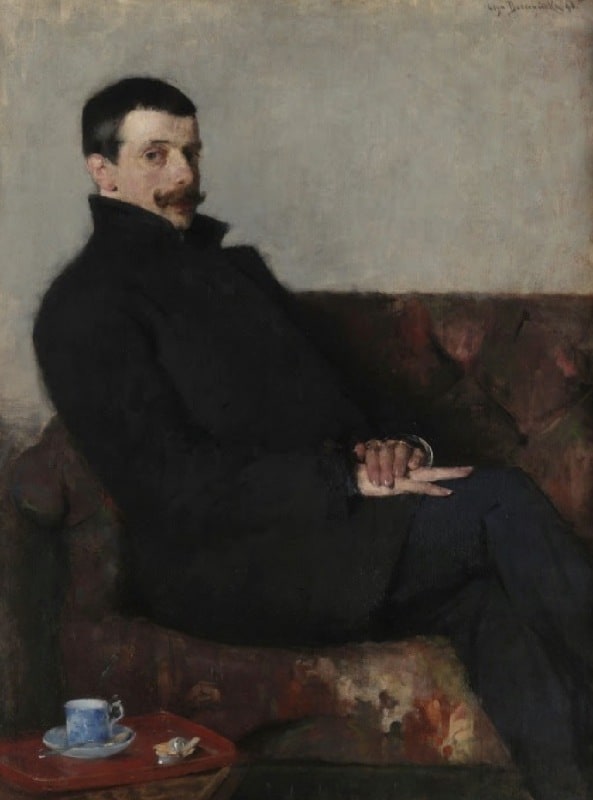
Portrait of Paul Nauen, 1893. Oil on canvas. National Museum, Kraków
By 1898, when she moved to Paris, she was already working as a mature artist in her own style. Her career took off and she gained widespread recognition, including numerous awards and shows in Europe and the United States. At one exhibition in Pittsburgh in 1912, she represented France along with Claude Monet and August Renoir. Her art was subtle, mysterious and moody. Critics sometimes accused her works of being sad, but the artist replied that her paintings could not be different from herself. She was a born loner. Her studio was not just a workplace but her refuge from the outside world. Painting meant everything to her and she devoted herself to it completely. She worked meticulously and very slowly, which forced her models to hold uncomfortable poses for hours at a time.
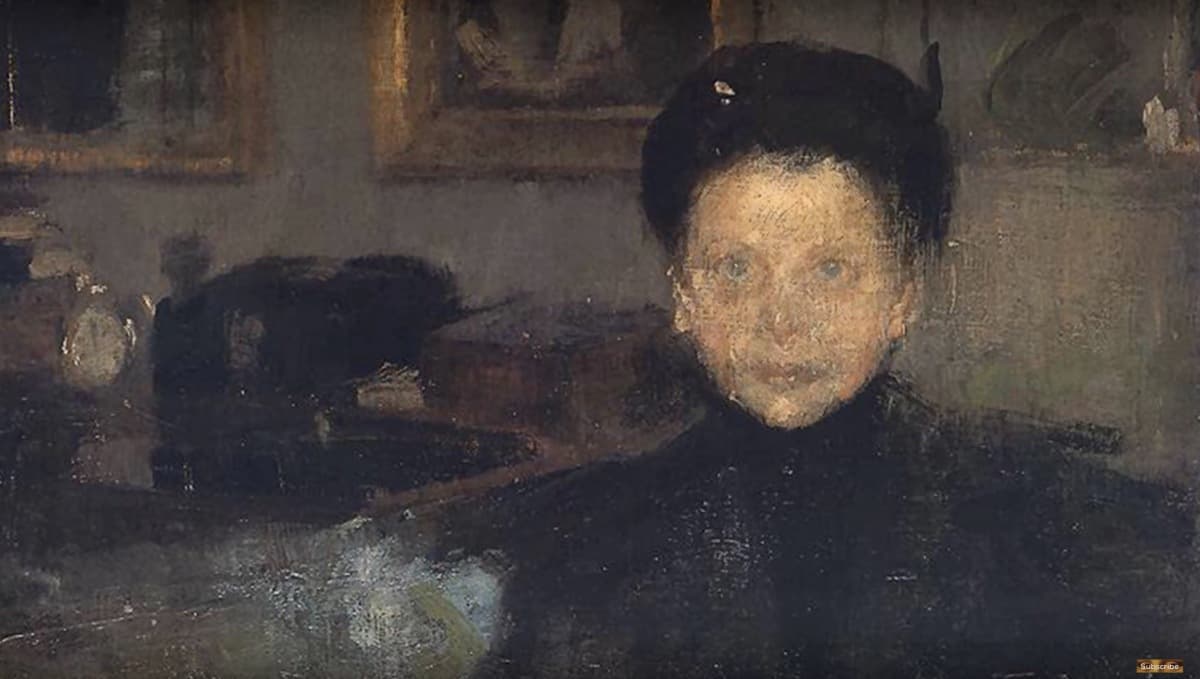
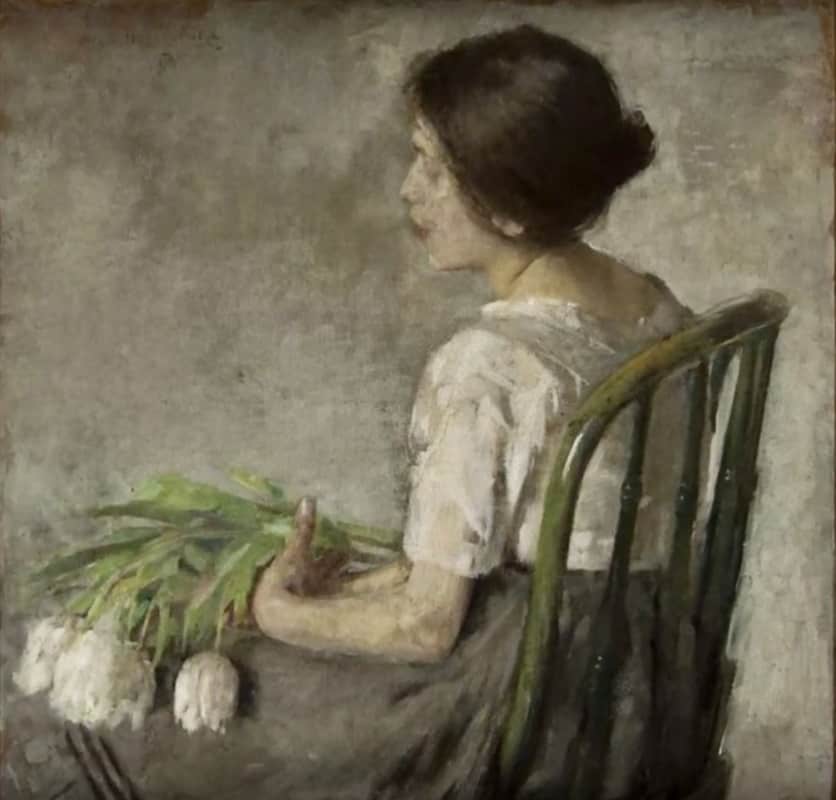

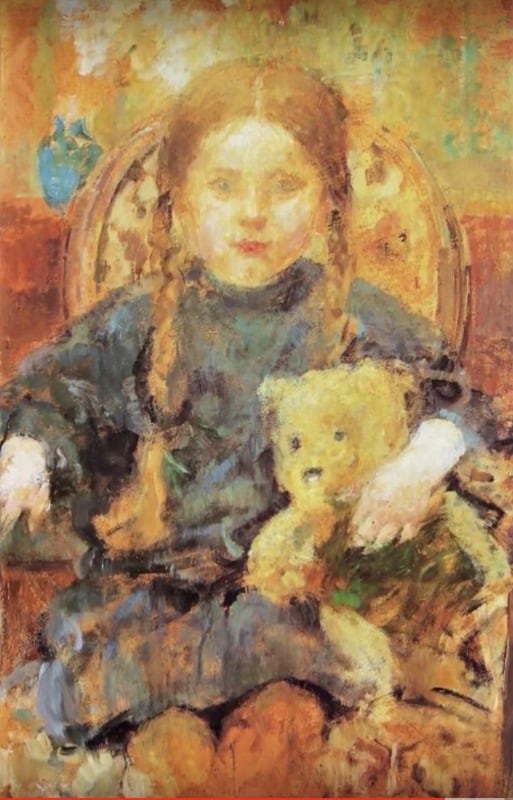
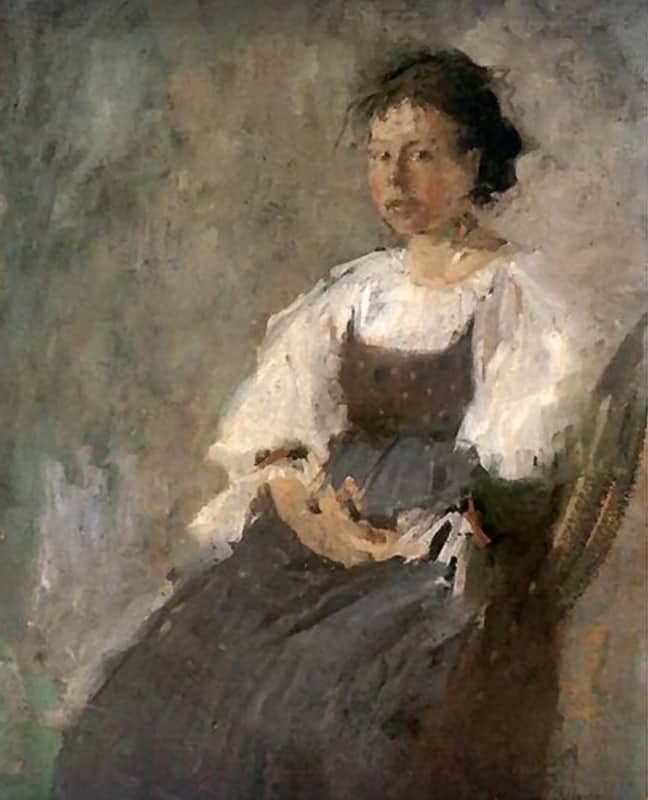
She looked for subjects in her immediate surroundings. Boznańska’s thematic repertoire included still life, interiors and landscapes, but in her art the portrait reigned supreme. Her colour palette was restricted to dark tones, dominated by browns, greens, greys and black, with white and pink accents. She achieved unusual chromatic harmonies by applying small dots of colour. Like no one else, she was able to reveal individual personality through portraits. She always wanted to capture the truth about the model, which is why she shunned embellishment. She focused primarily on the eyes, believing that they embodied the essence of each person.
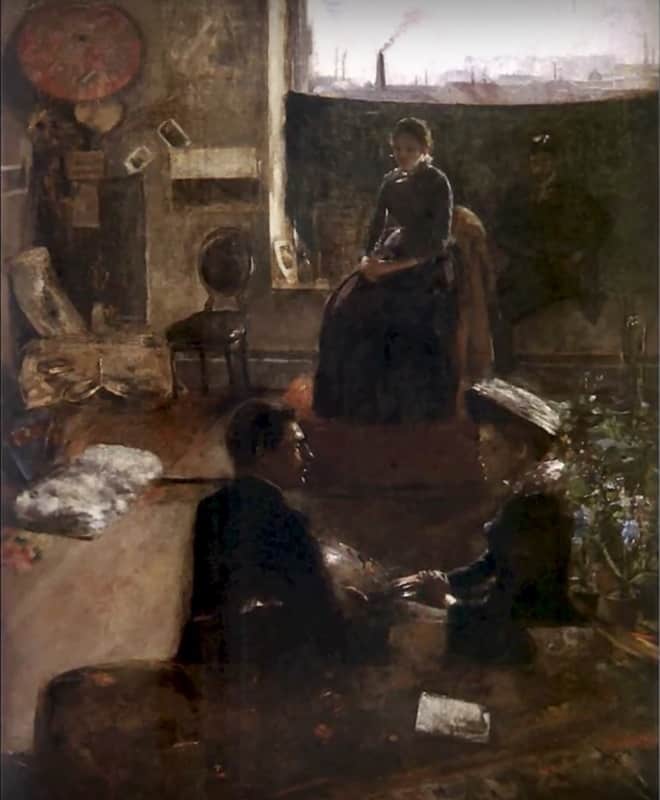
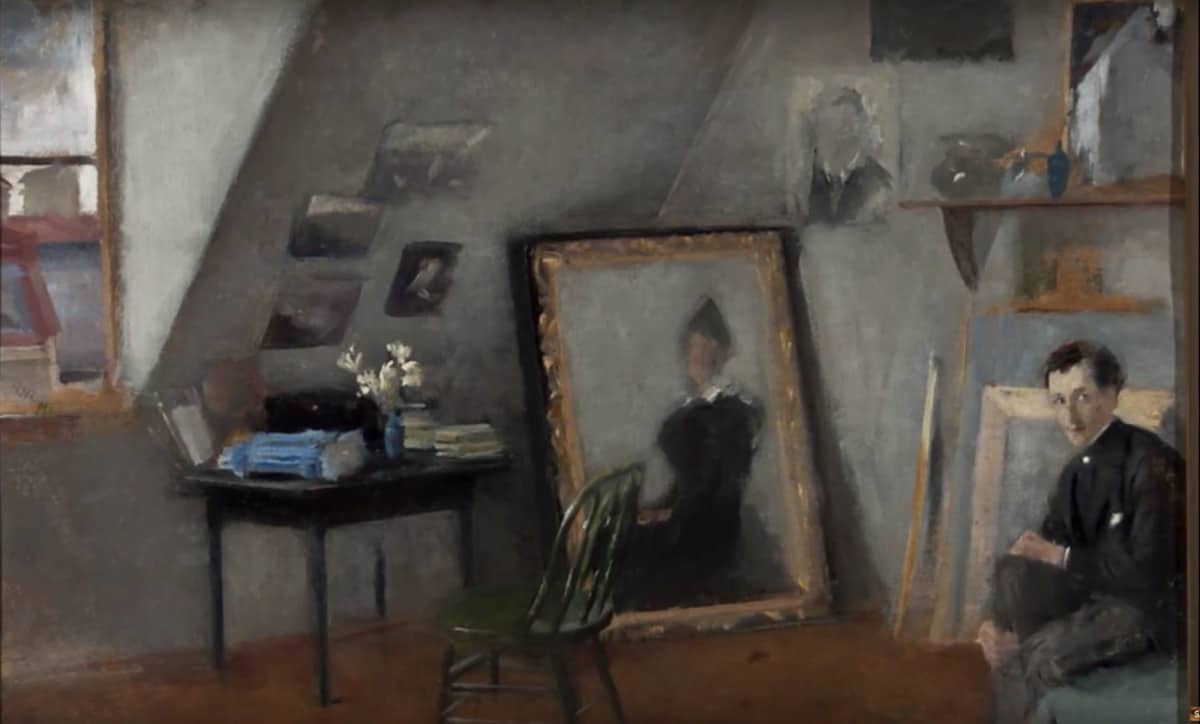
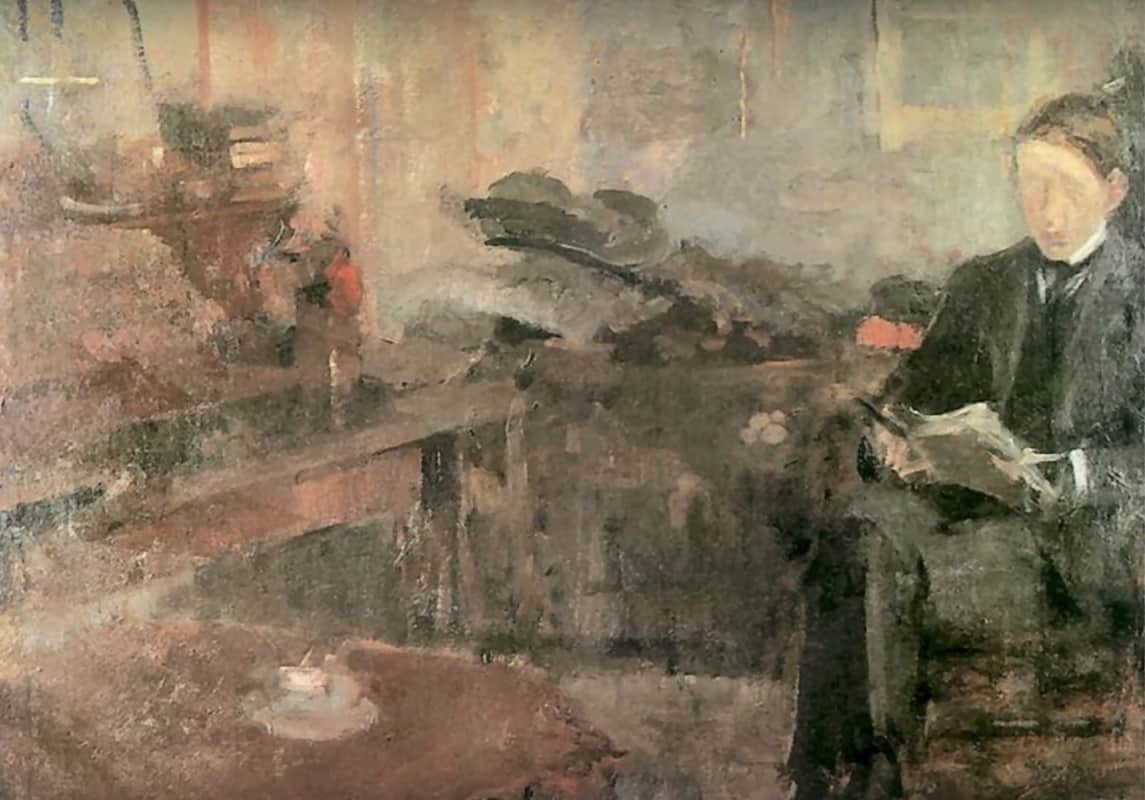
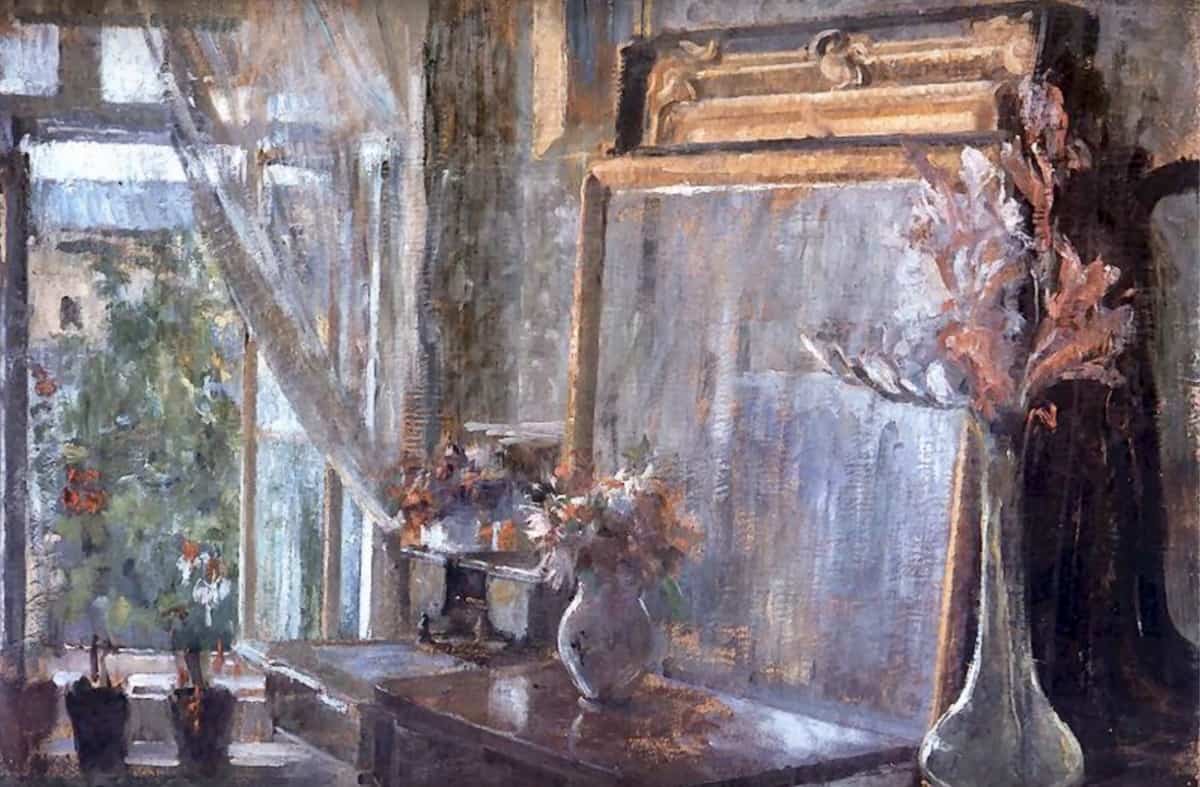
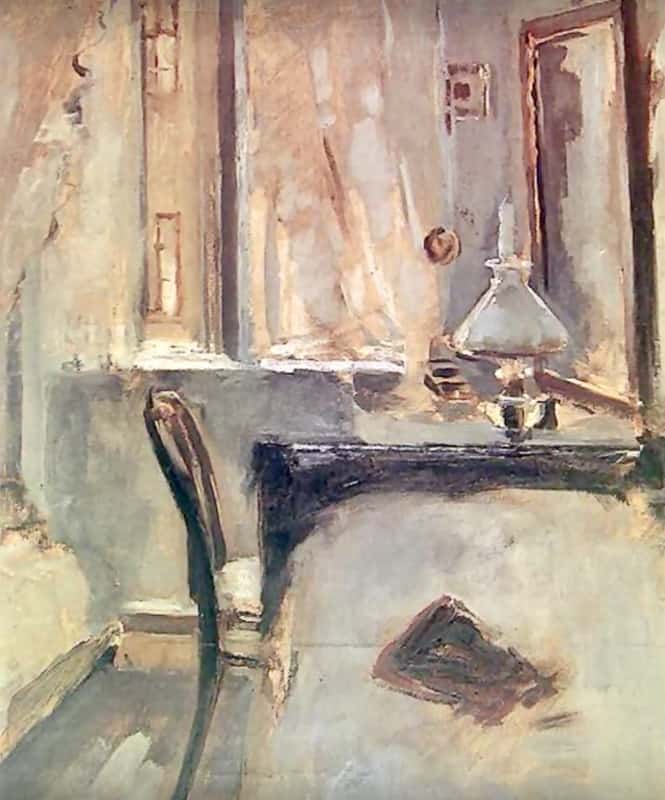
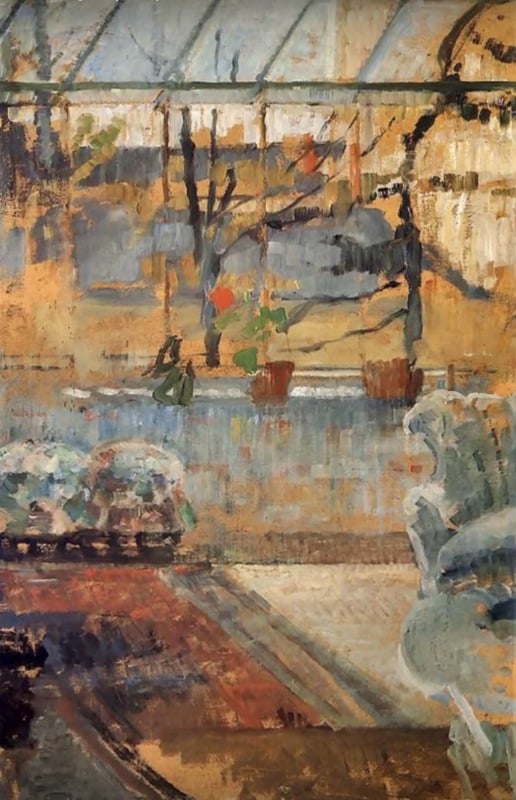
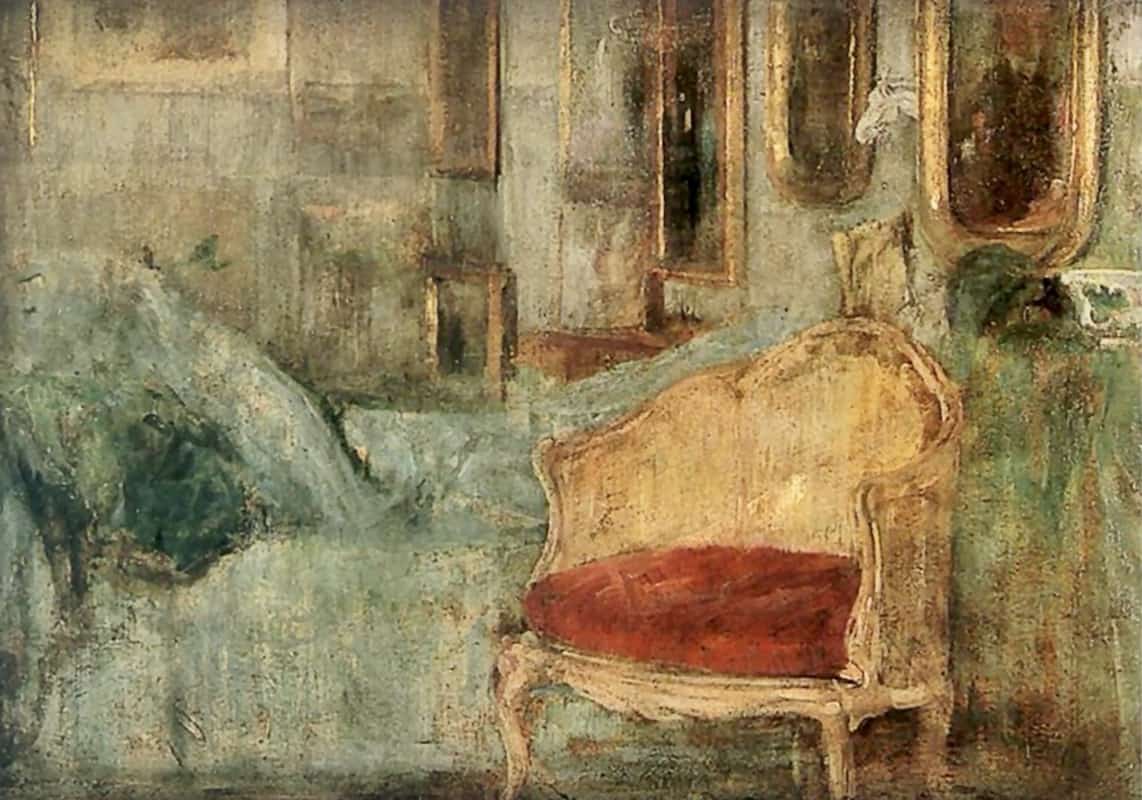
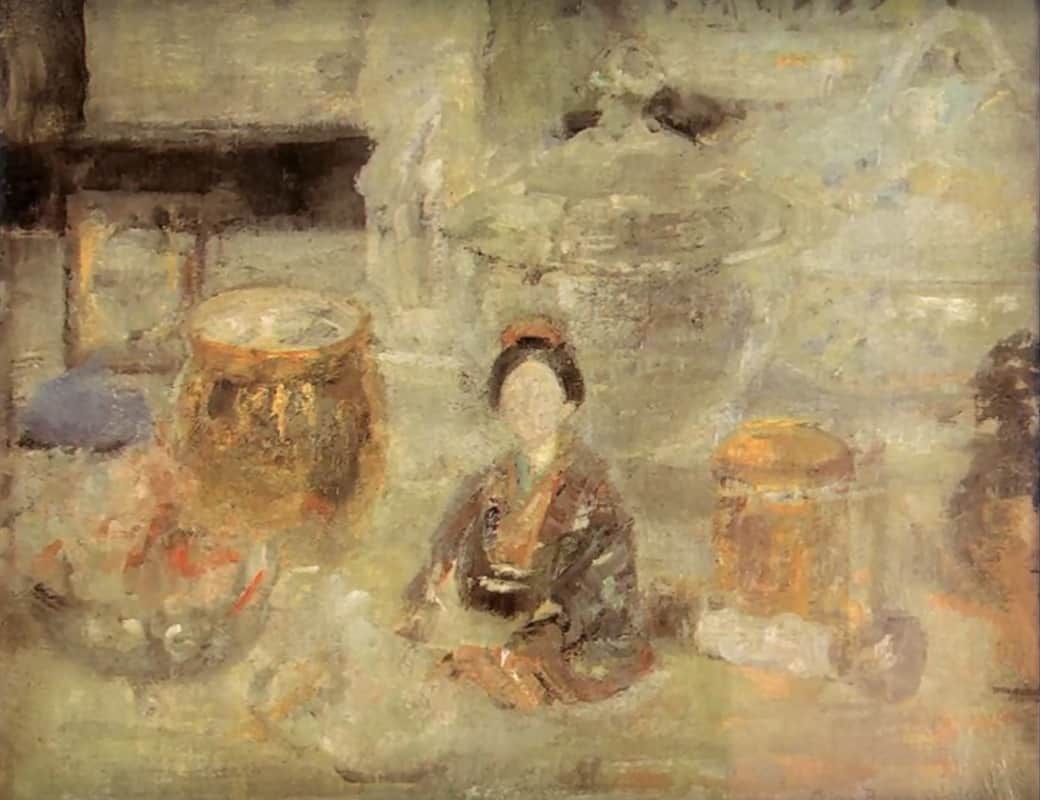
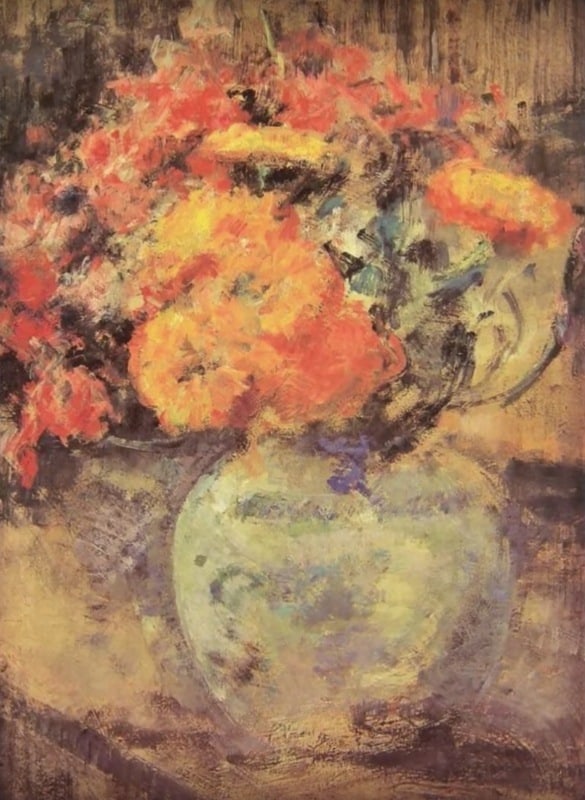
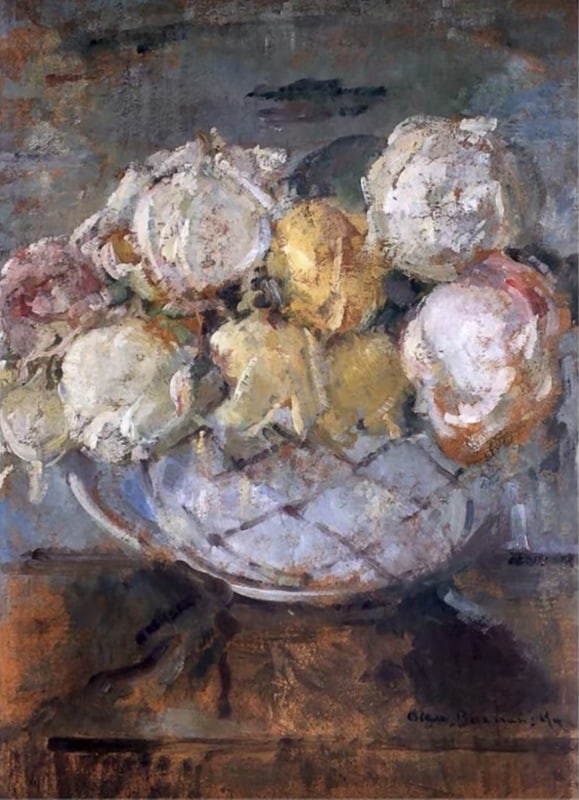

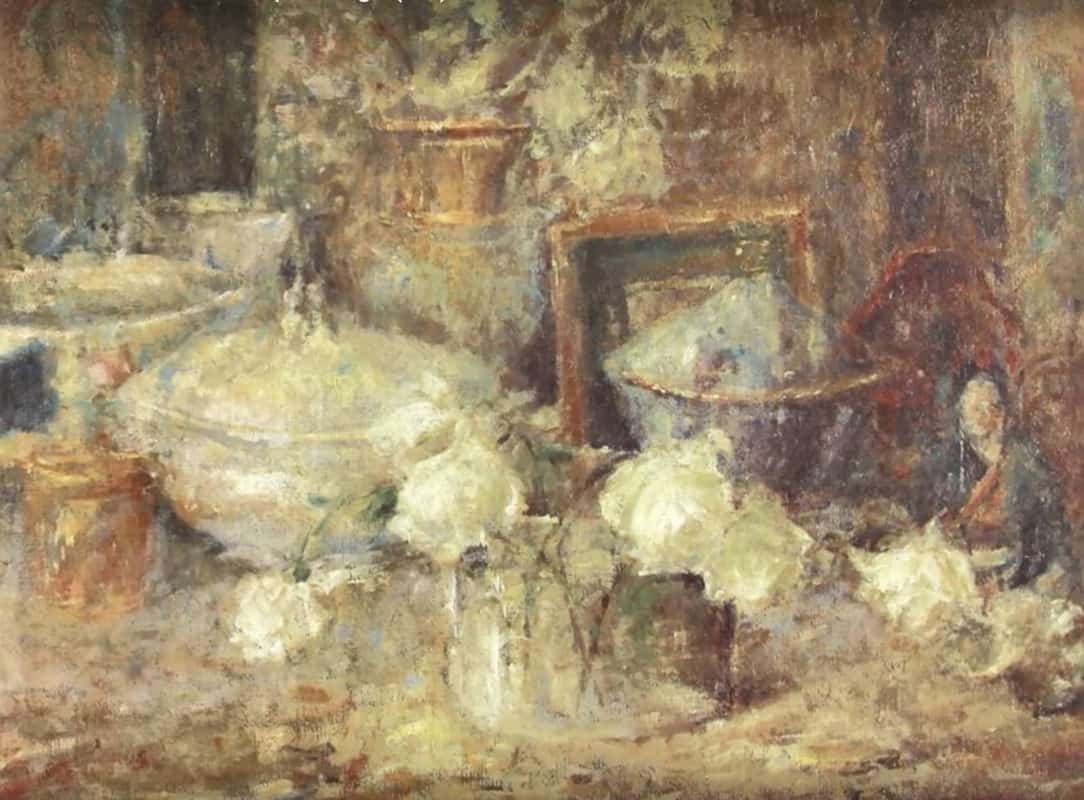
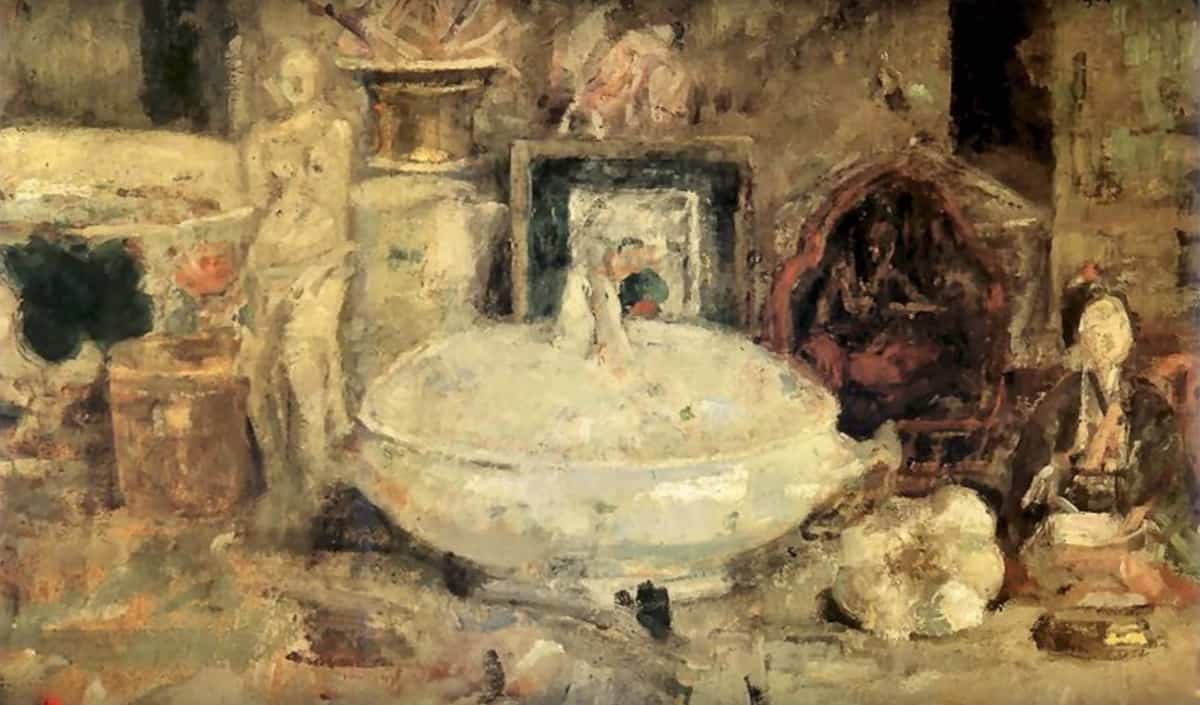
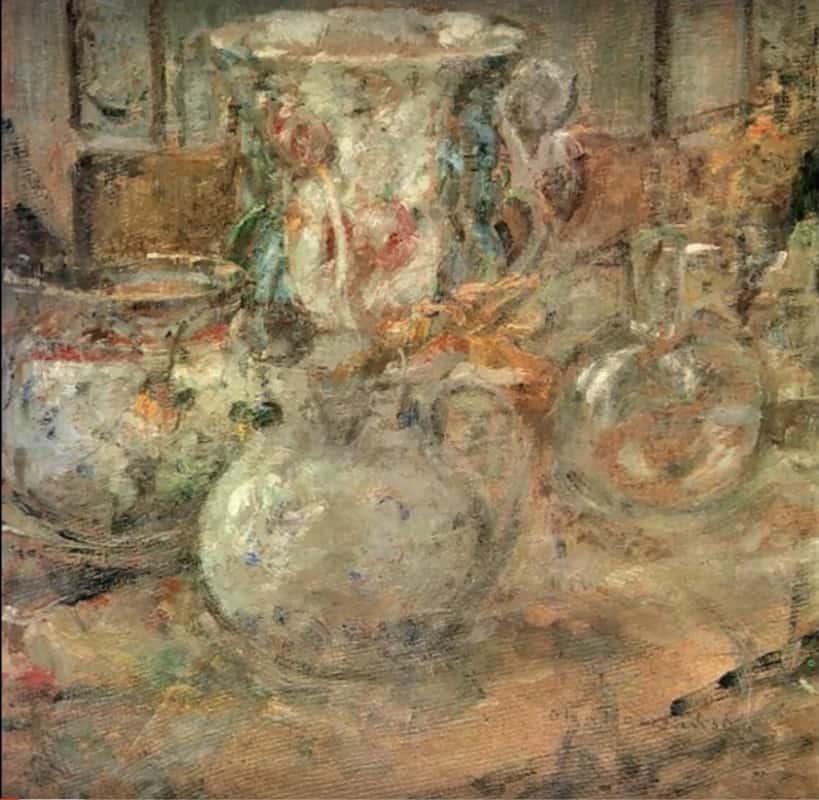
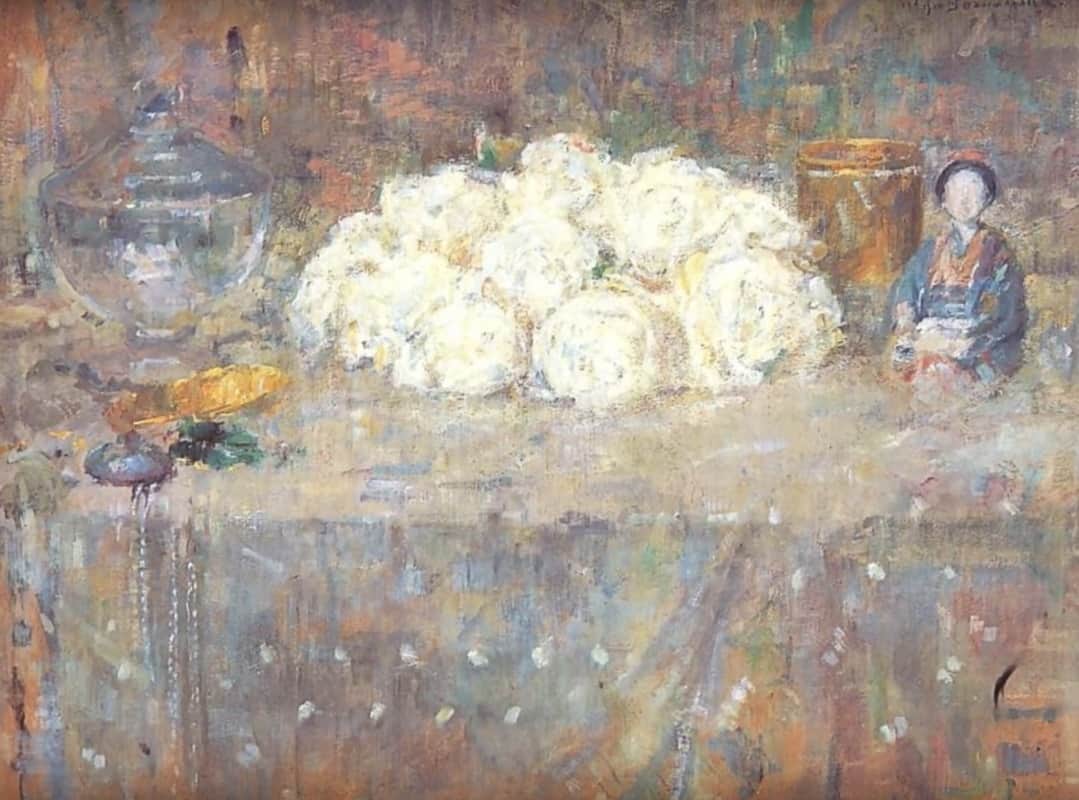
She was called a painter of silence. Of her own work she said: “My paintings look great because they are true and honest as God’s creation; there is no pettiness, no affectedness, no blather. They are quiet and alive as if a slight veil separated them from the viewer. They are in their own atmosphere.”
Her old age was marked by declining health and financial problems. She died in Paris in 1940.’
A video made by the National Museum in Warsaw gives a great deal more information and interpretation.