Ethnographic Fables
20 April 2022
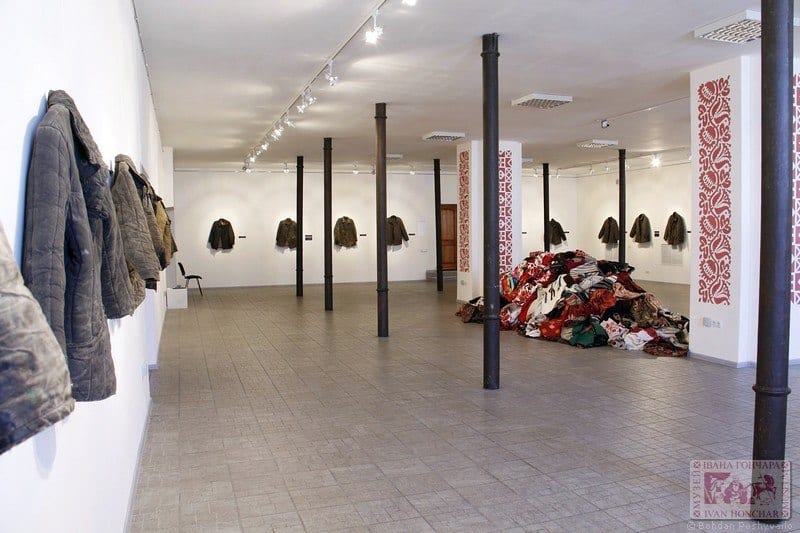
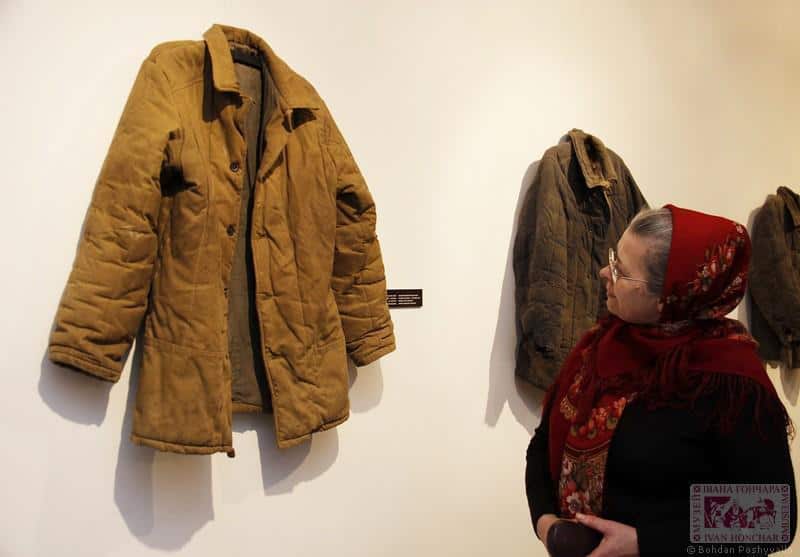
For years I have shared on to my Drawnground Facebook page posts from the Ivan Honchar Museum (the National Centre of Folk Culture) in Kyiv, Ukraine. I was captivated by this museum when I visited in 2005. A recent post drew attention to an exhibition held there in 2013 – ‘Ethnographic Fables’ – devised from an idea by Petro Honchar, Director of the Museum. In a stark visual way, it demonstrated the substitution in the 20th century of Ukrainian ethnic dress by the ubiquitous Soviet worker’s garment – the kufaika jacket.
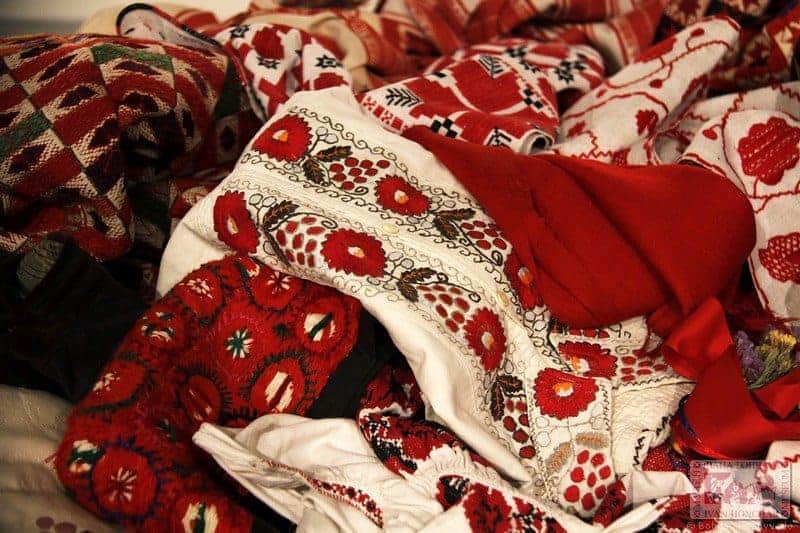
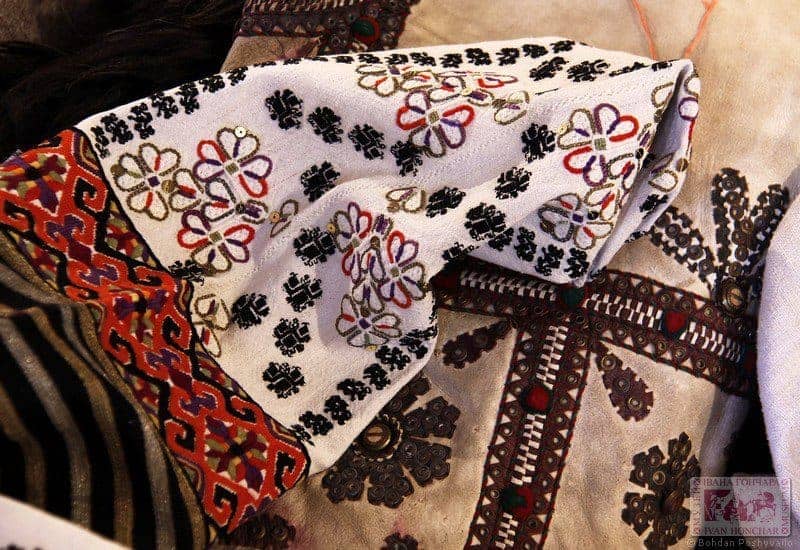
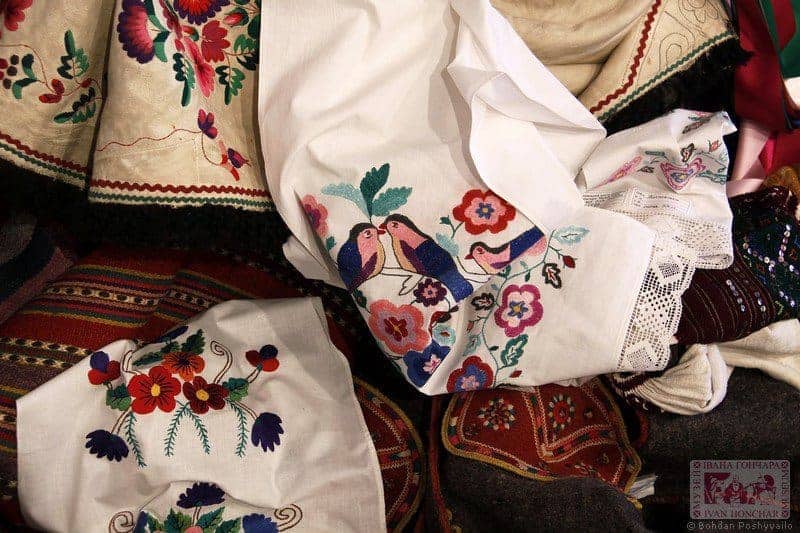
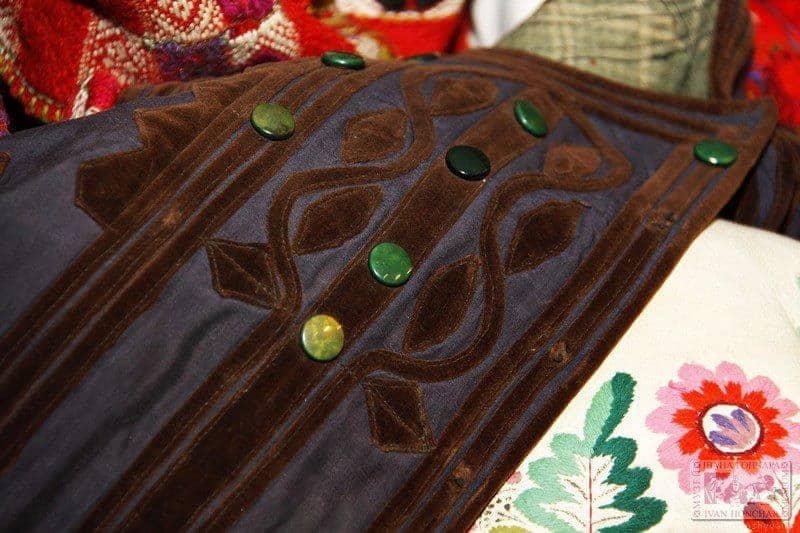
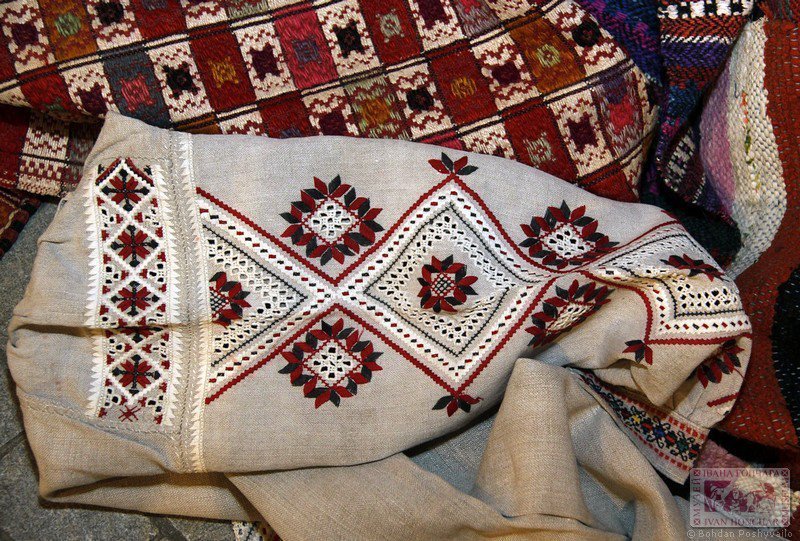
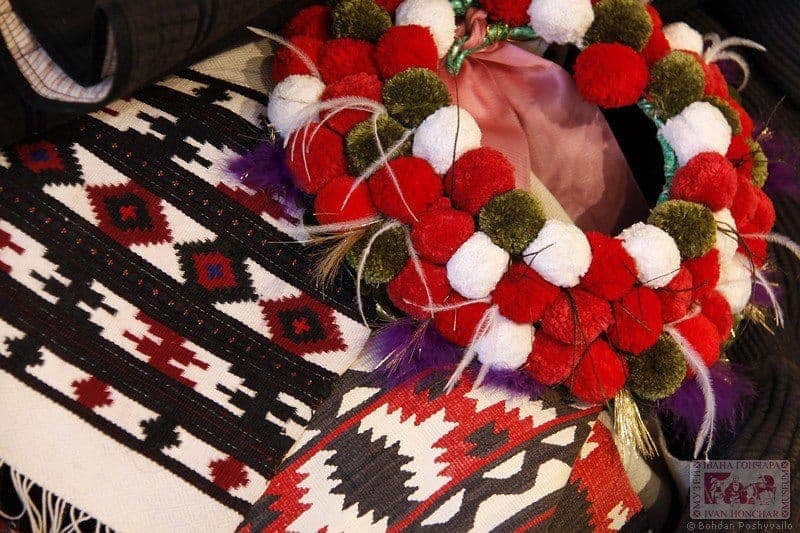
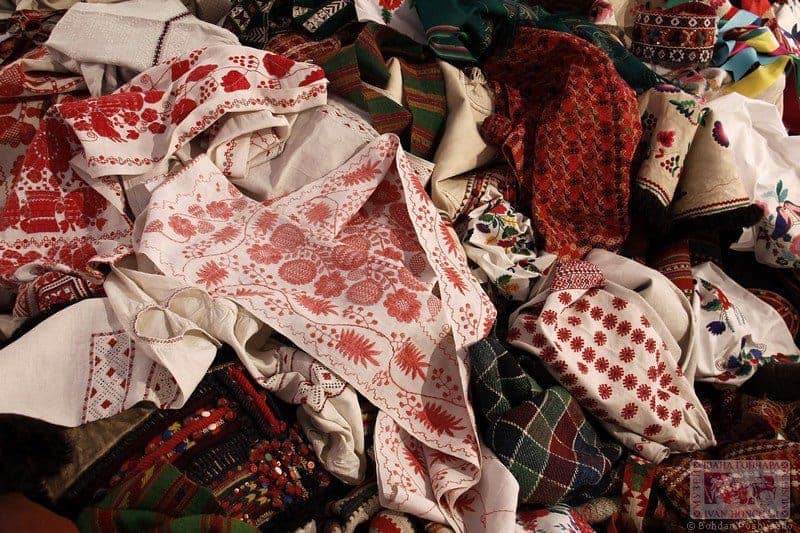
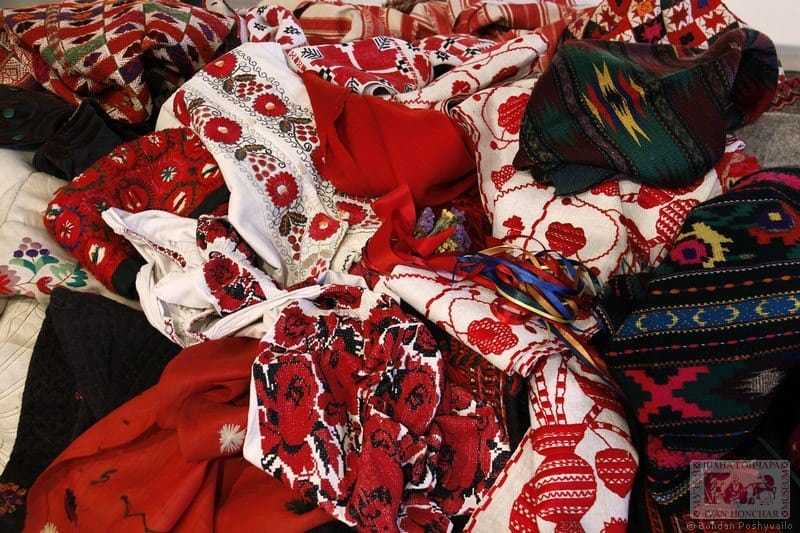
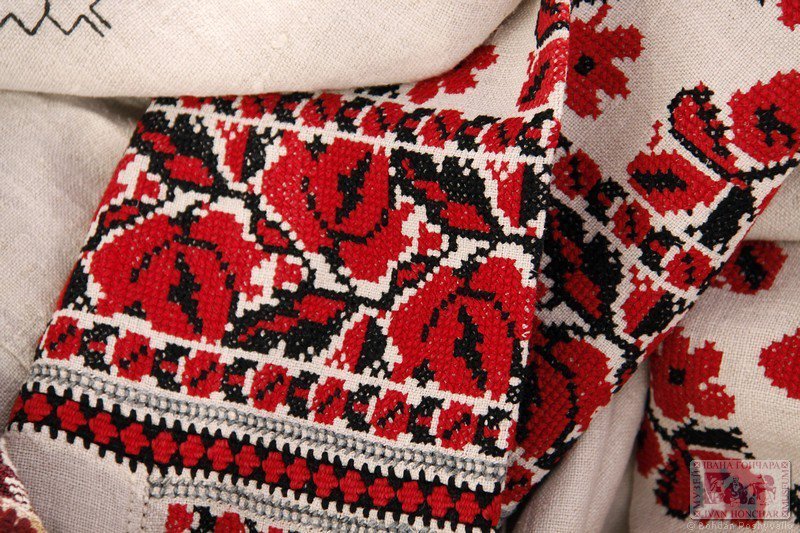
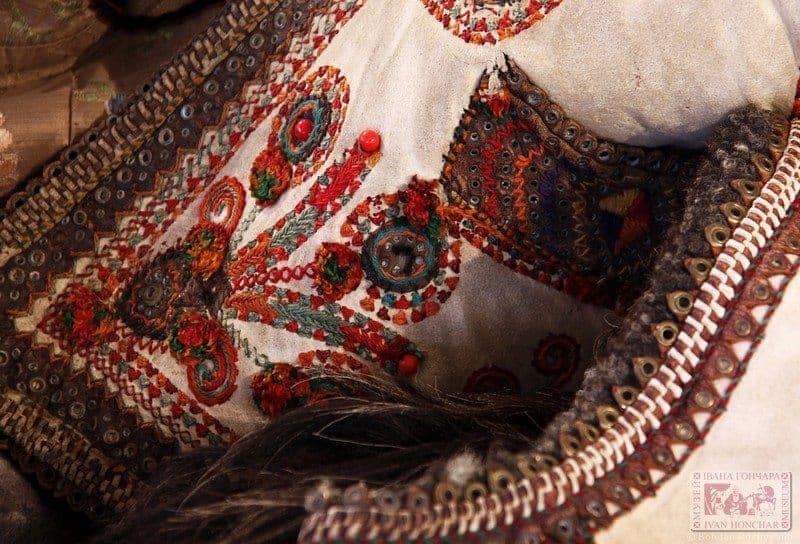
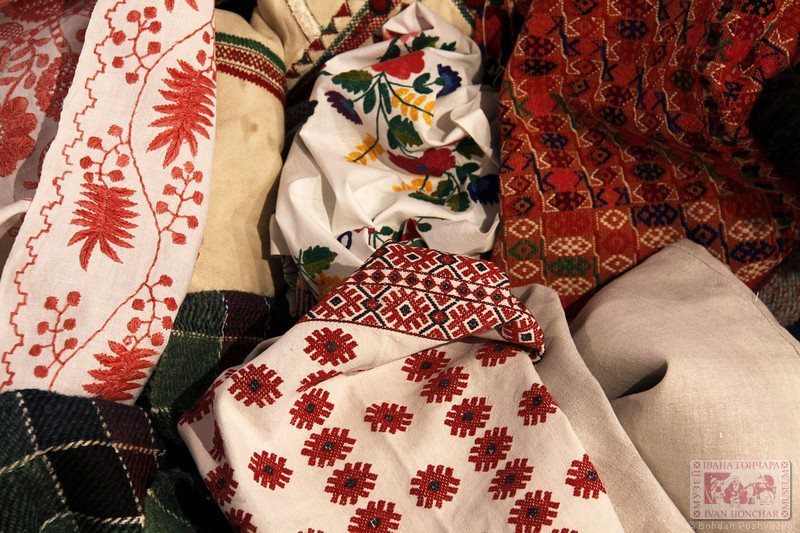
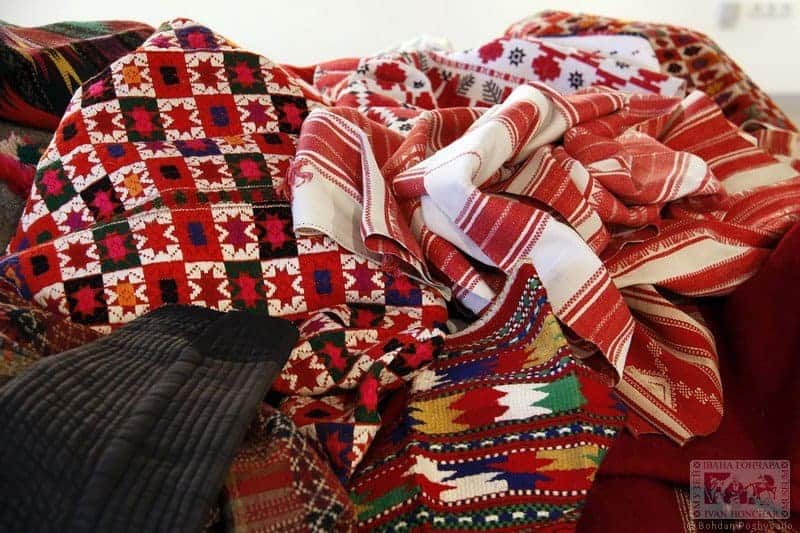
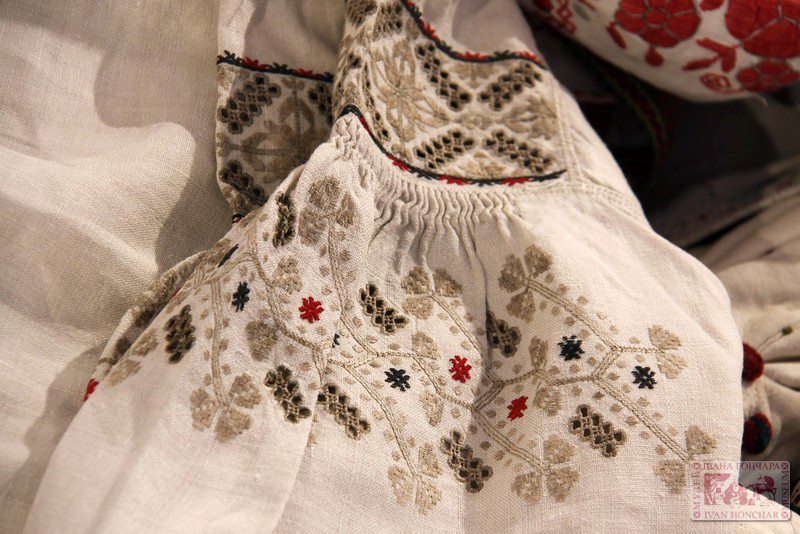
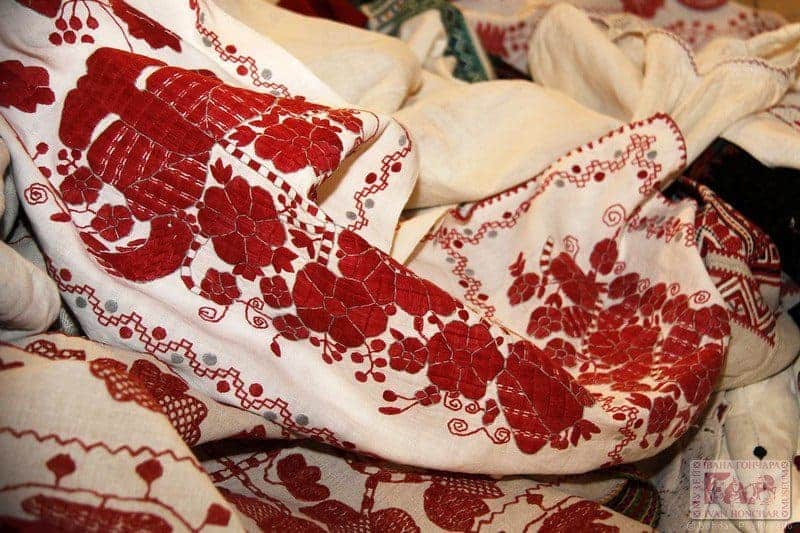
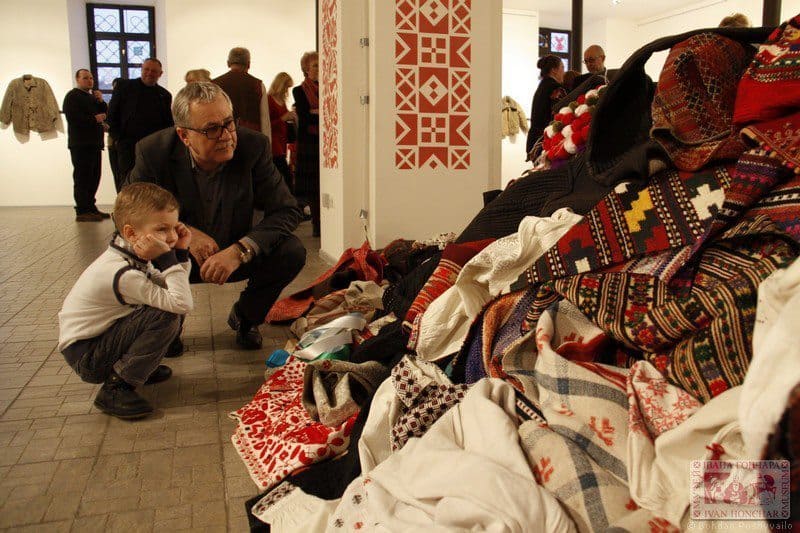
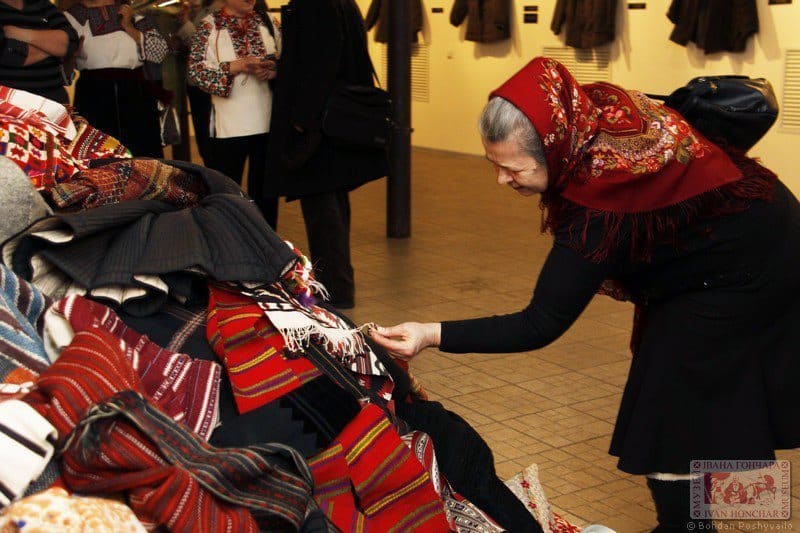
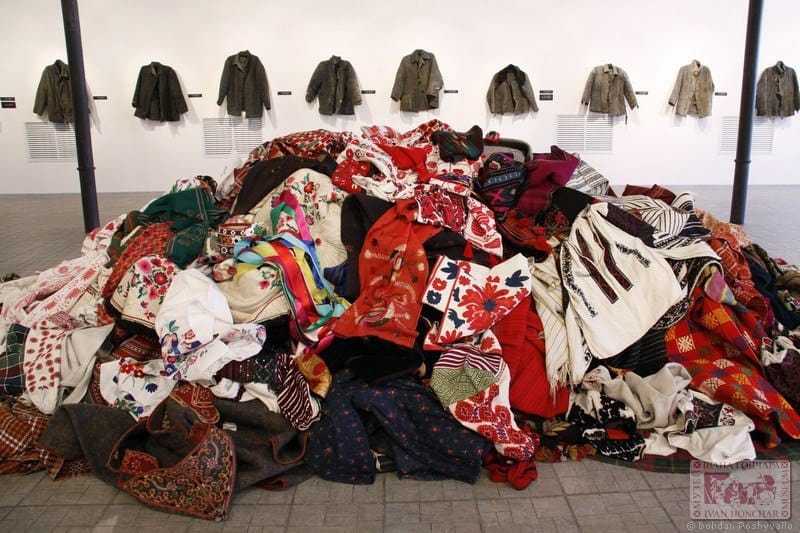
On entering the gallery space, the visitors encountered a scene where on every wall hung the utilitarian brown jackets that ethnographers can identify as being found throughout the whole of the vast Soviet territory – and in the centre of the space, items of traditional Ukrainian folk festive dress and textiles dropped randomly in a pile, unceremoniously discarded.
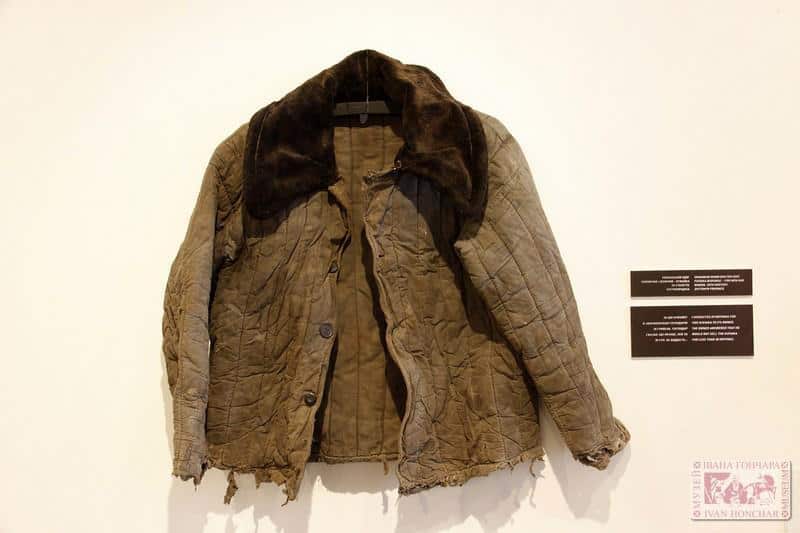
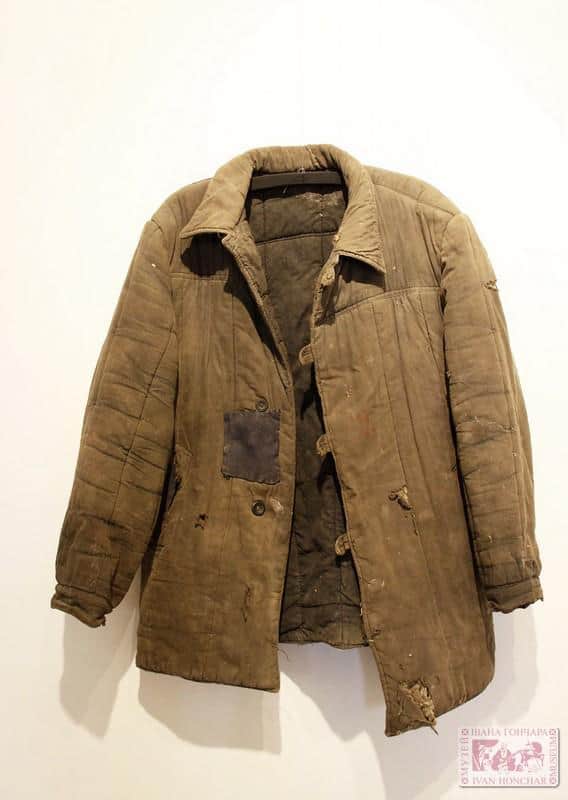
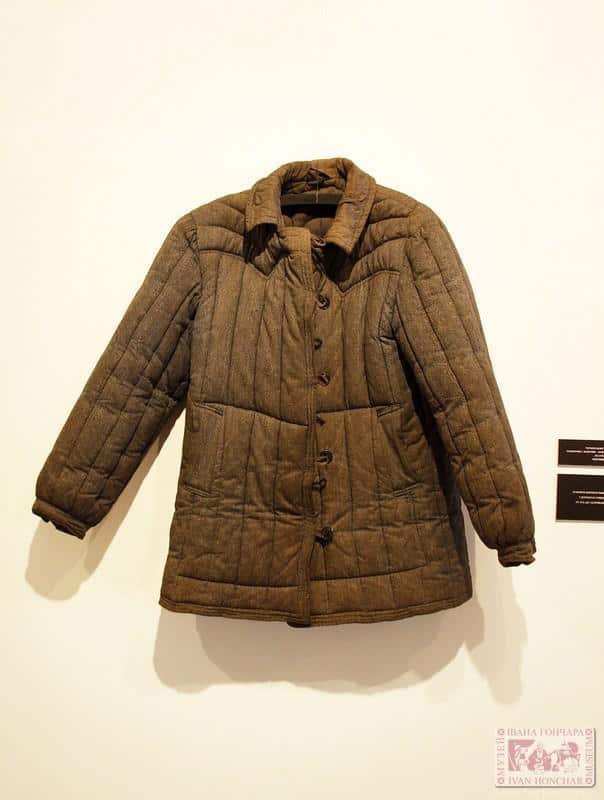
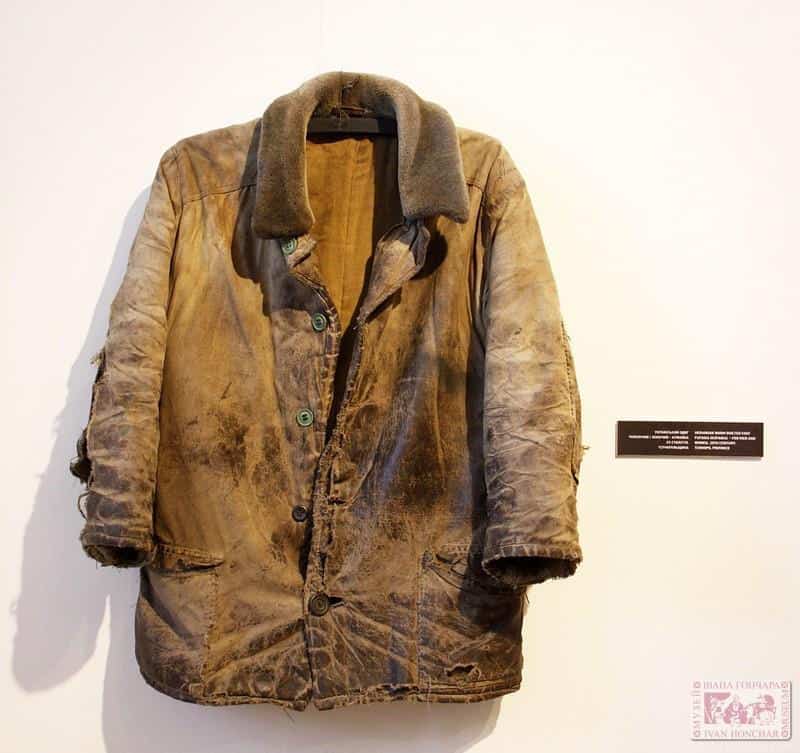
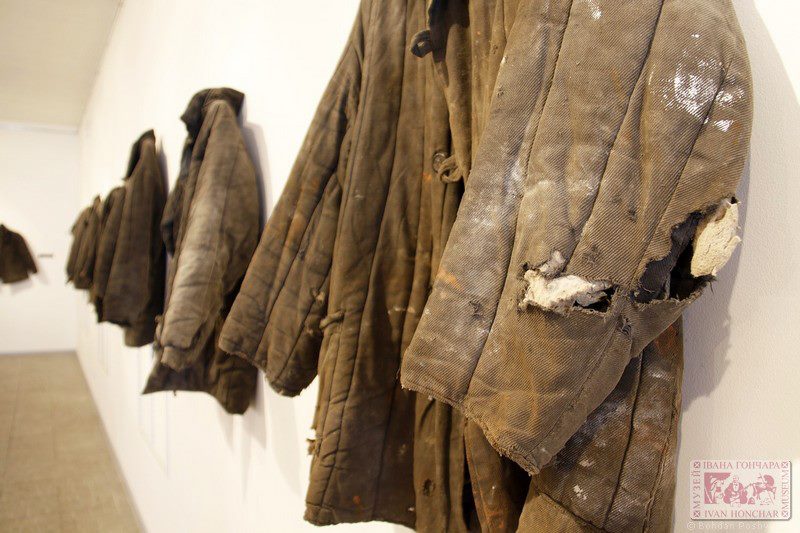
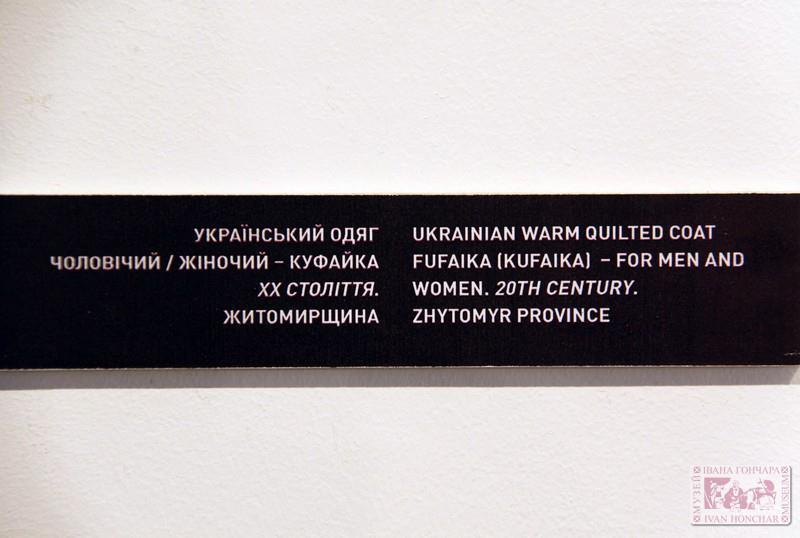
For many generations, the kufaika became one of the symbols of the Soviet Union. Kufaiki appeared in 1931 as a warm uniform for workers and soldiers of the Workers’ and Peasants’ Red Army, and became the most common (and for a long time the only) type of outerwear in the totalitarian country. After World War II, the kufaika became part of everyday and festive outerwear for all ordinary people who couldn’t afford anything better. There was nothing better available to them in any case. Traditional shirts and moth-eaten sheepskin coats were abandoned on attic floors or burned, and the kufaiki were hung up, ready to be put on. The exhibition’s installation invites reflection on aspects of the history of Ukrainian culture in the 20th century – testifying to the homogenization of culture through distortion, destruction, prohibition and humiliation in an attempt by the ruling elite to create homo sovieticus.
The history of this concept – homo sovieticus – is interesting, I think. As the Wikipedia entry discusses, it was coined to describe the next level of evolution of humanity thanks to the success of the Marxist social experiment…. The idea that the Soviet system would create a new, better kind of people was first postulated by the advocates of the system; they called the prospective outcome the ‘New Soviet man’. Homo sovieticus, however, became a term with largely negative connotations, which opponents used to describe what they saw as the real result of Soviet policies. (Incidentally, the automatic translation into English in the account of the exhibition rendered the term as ‘gay sovieticus’, which I’m sure is not what the originator had in mind.)
Here is the Museum’s original Facebook post, including credits. (I’ve paraphrased their account as in places it’s hard to understand the clunky automatic translation from Ukrainian into English.)
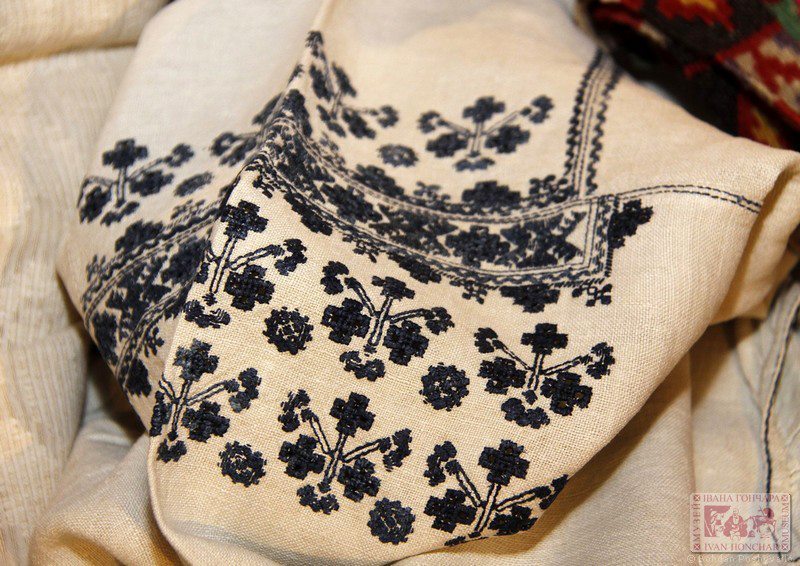
It is so powerful – indeed shocking – to see the colourful embroidered and woven textiles piled up on the floor, in the very institution which was founded to collect and care for such artefacts and to celebrate their rich culture of origin. The huge variety of designs and techniques bear witness to the multiplicity of local textile and dress traditions across the territory of Ukraine. Usually you would see these things displayed in the museum in glass cases, with informative labels and accompanying interpretation, such as archive photographs of couples wearing the folk dress of their region. Now it is the brown jackets, which have little to distinguish one from another, not even having been designed specifically for a man or a woman, that have the interpretive labels. It was a brave step on the part of the curators to create this installation and it must have made a great impact on those who spent time in that space.
8.6.22 Since writing this post, I have come across a review of the exhibition in The Ukrainian Weekly (published in the US, 19 May 2013).