Lake Seliger
1 April 2014


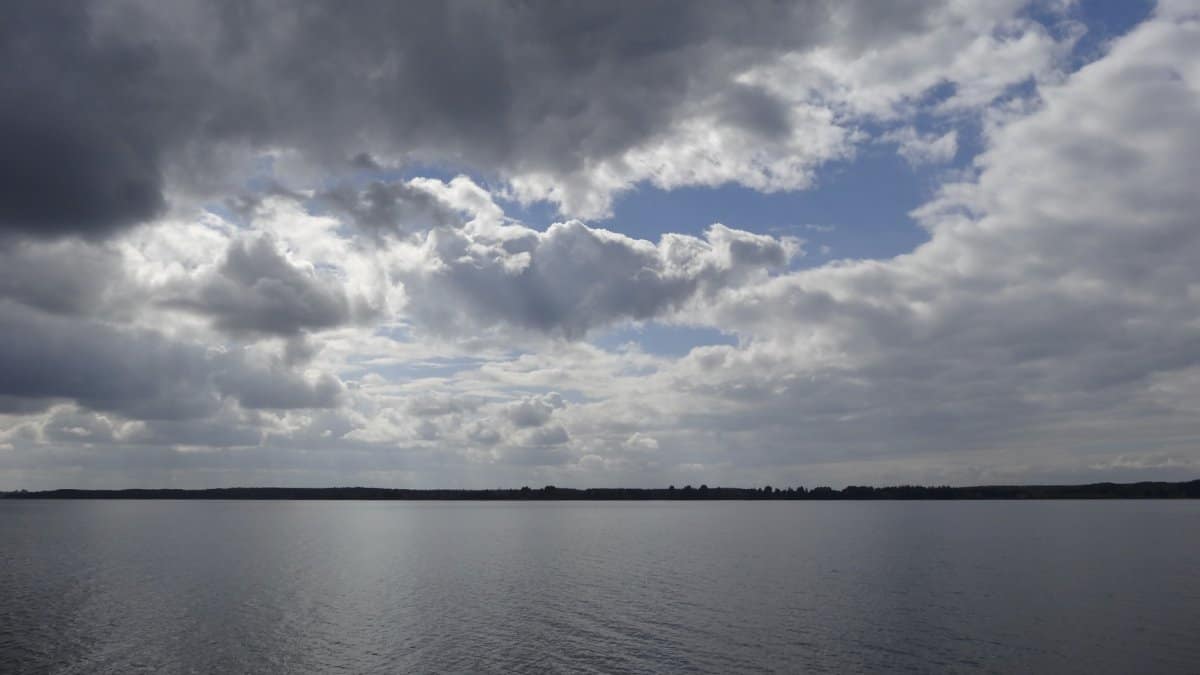
In August last year I went on a trip to Russia with a small group. We started in Moscow and then travelled north-westwards via Tver and Torzhok to Ostashkov, on Lake Seliger. One of the highlights of the trip was going by boat across the lake to visit the Nilov Monastery, on Stolobny Island. The journey took some time – it’s a huge lake – and the light on the great expanse of water and the vast skies changed all the time. You could see the monastery from far off and as the boat came nearer the sun shone on the gold and silver spires and cupolas – an extraordinary other-worldly sight.
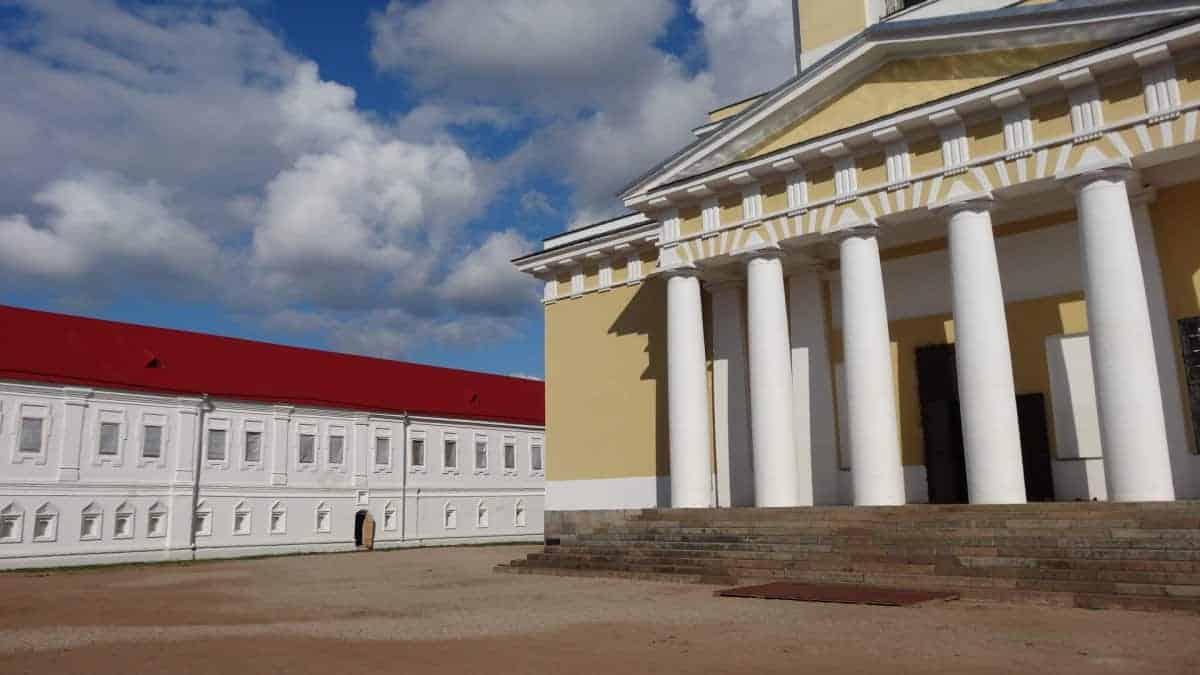
We disembarked and walked up to the monastery. Within its walls I found it a bit of a disappointment. Everything was so shiny and new, and completely lacking in character. All over Russia churches and monasteries are being restored like this and I suppose its understandable that those who are going to use them – ie the faithful, rather than the dilettante tourist – should want them to be ‘as good as new’. Personally I like a bit of romantic decay in an ancient building. There’s an exhibition currently on at Tate Britain in London that I want to see, called ‘Ruin Lust‘, on the theme of ruined buildings amid picturesque landscapes in art. I’m glad to have seen some Russian sites before they have been made pristine. For example, in 1989 I visited the very delapidated New Jerusalem Monastery in Istra, near Moscow. I haven’t been back since but have seen its restored domes shining in the distance whilst on the motorway. I read recently that there are plans to turn it into a ‘tourist cluster’ – a kind of ‘Russian Palestine‘ theme park. ‘Patriarch Kirill proposed the idea of creating an infrastructure around the monastery that would resemble the Holy Land. The Patriarch believes there could be great scenic tours, including horseback and winter sled riding’. I cherish my memories of the sad beauty of the place in 1989.
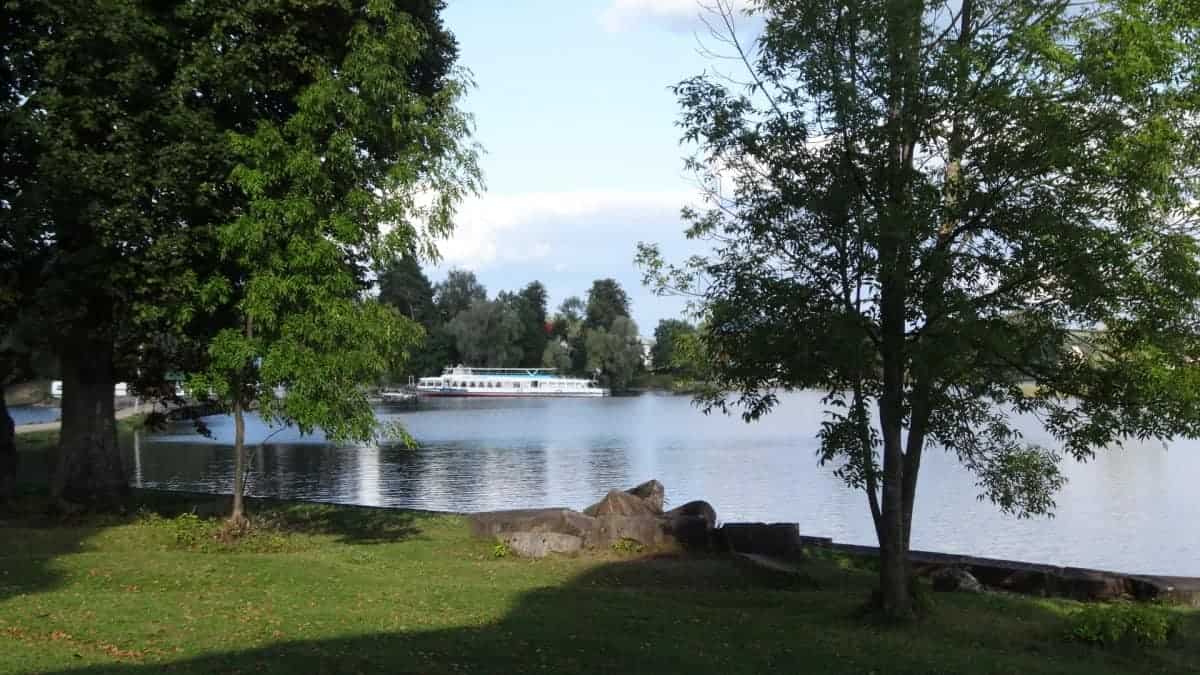
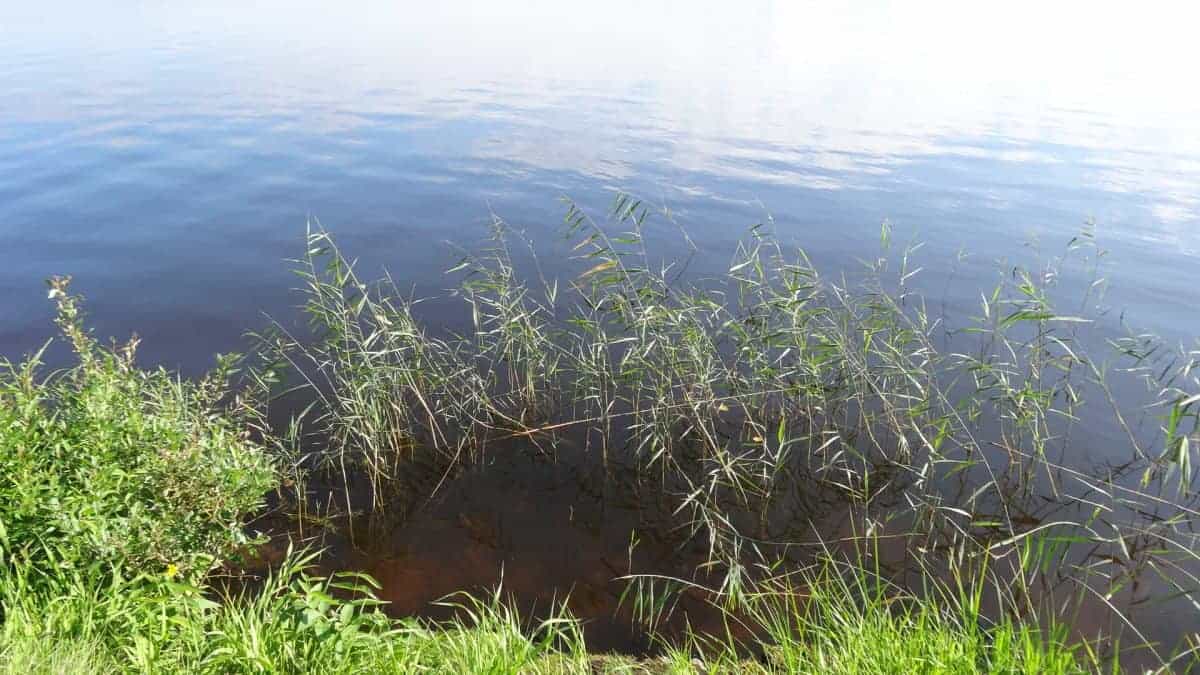
But, to return to Seliger, at least the as-yet-unspoiled natural beauty of the lake and its wooded shores were a tonic for the soul.








Embroidered picture in metal thread of St Nil and the Nilov Monastery. From the museum attached to the Gold Thread Embroidery Factory in Torzhok

Interior of the Cathedral, St Nilov Monastery