The Mayor and the Firebird
19 October 2020

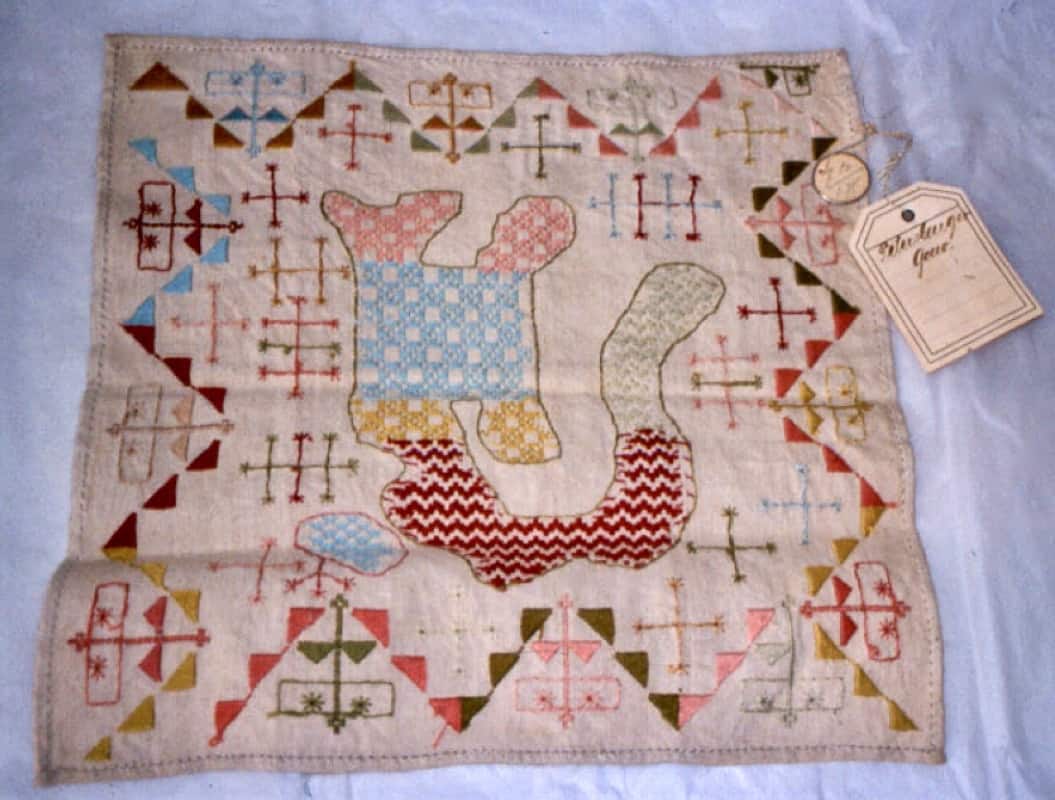
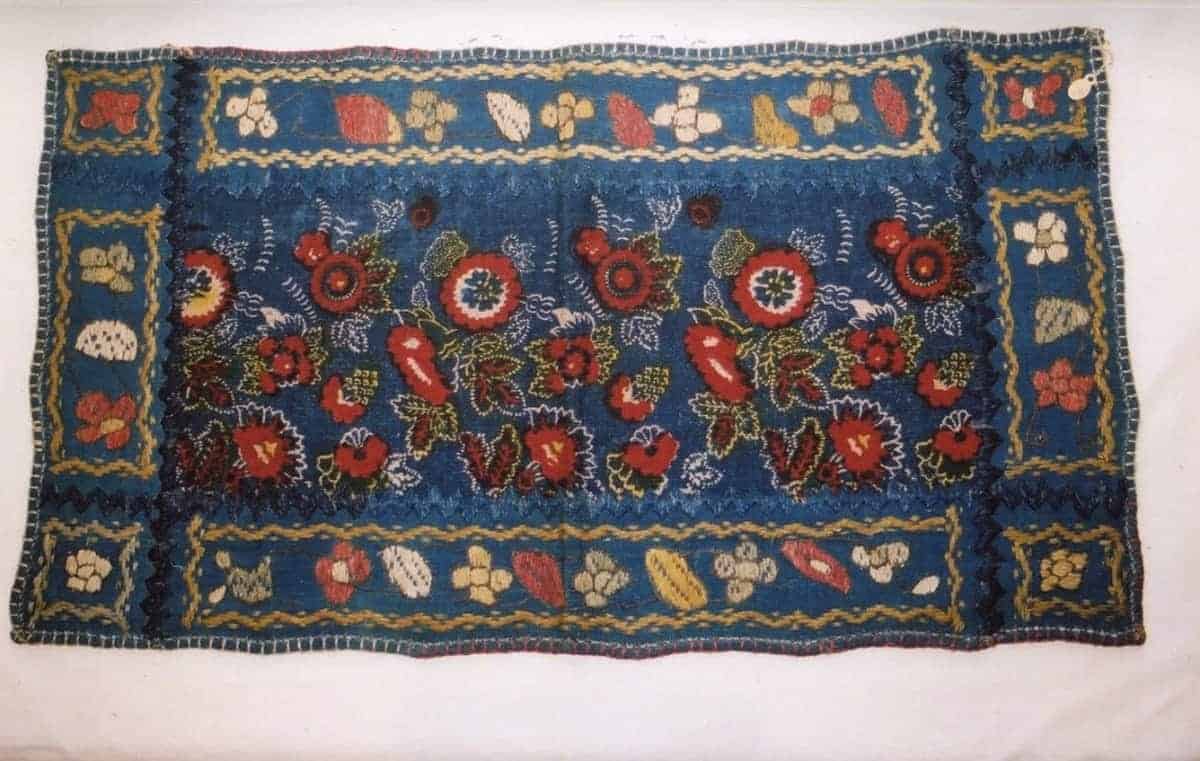
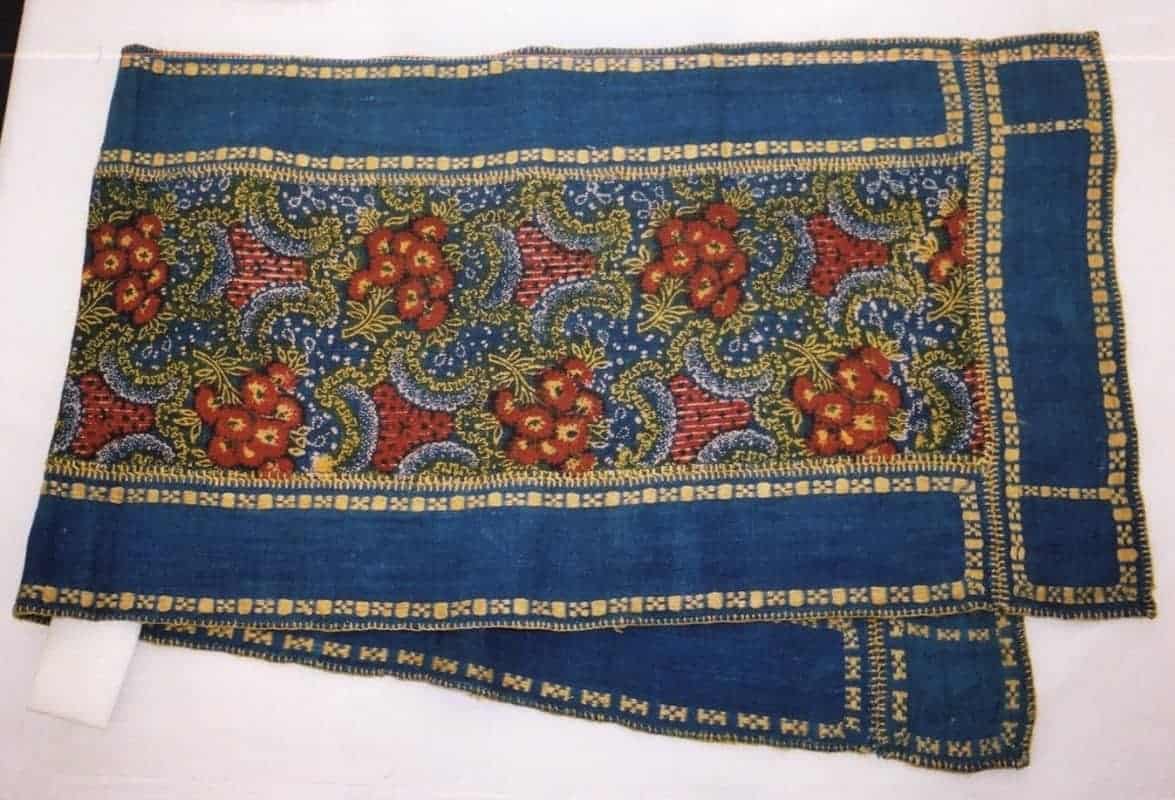
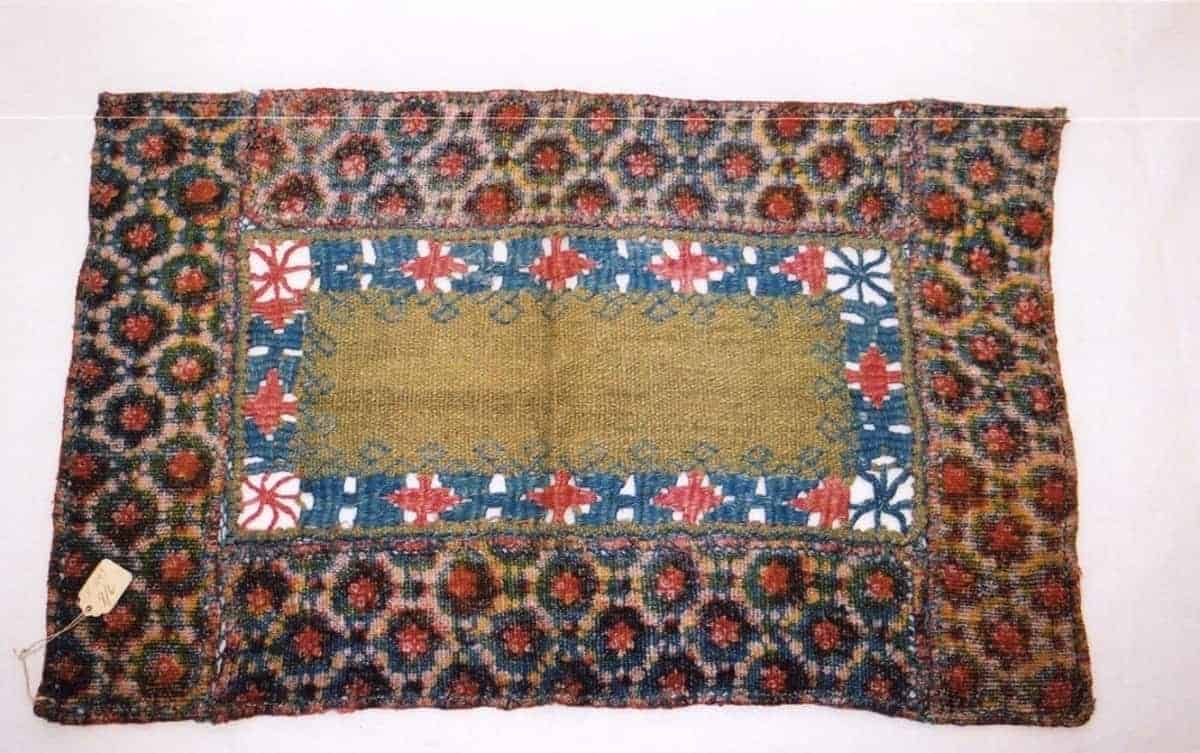
In the stores of Bankfield Museum in Halifax, West Yorkshire, lies a collection of Russian embroideries given by Frederick Whitley Thomson, Mayor of the town between 1908 and 1911. The twenty-five pieces were described in the local paper when they arrived at the museum in 1912 as ‘tray and tea-cloths, a sofa back, quaint little mats, ladies’ scarves, and pattern pieces of lace and insertions’.
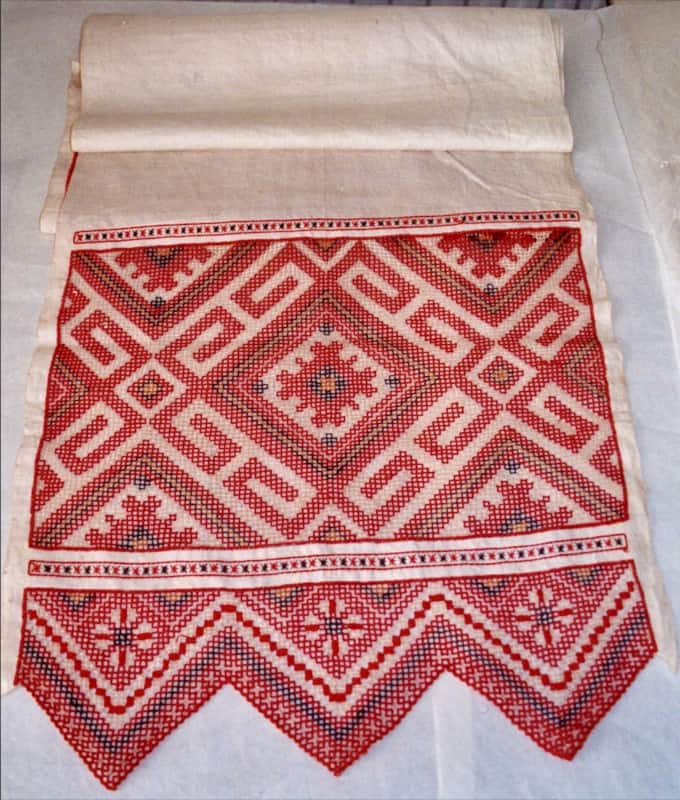
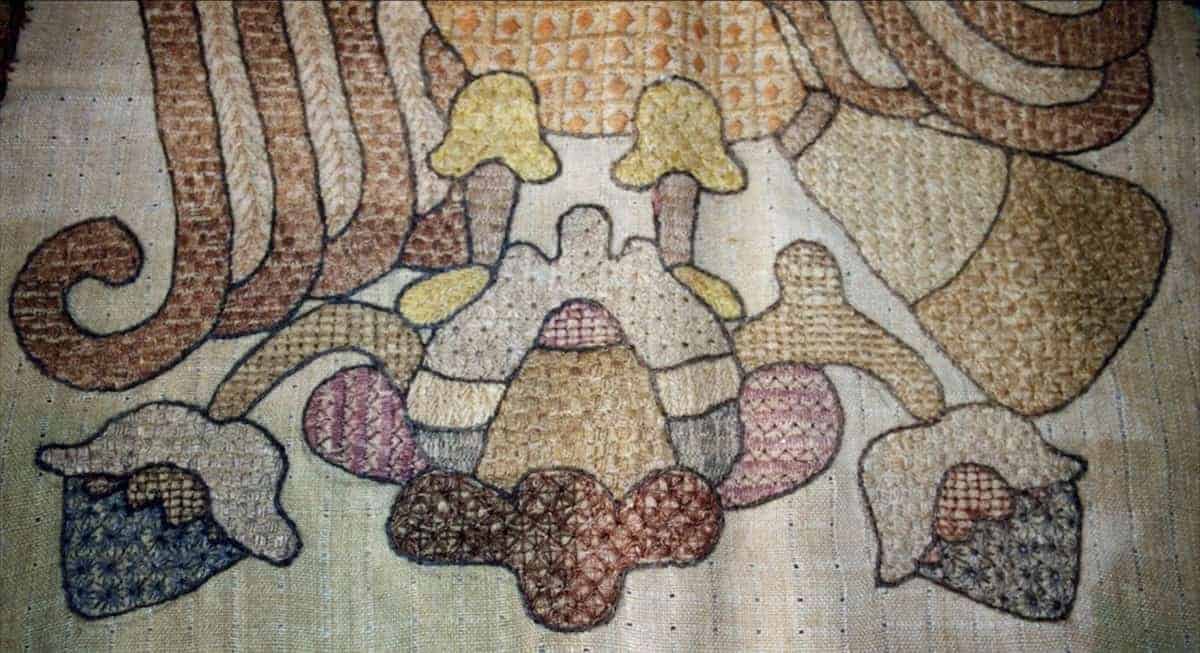
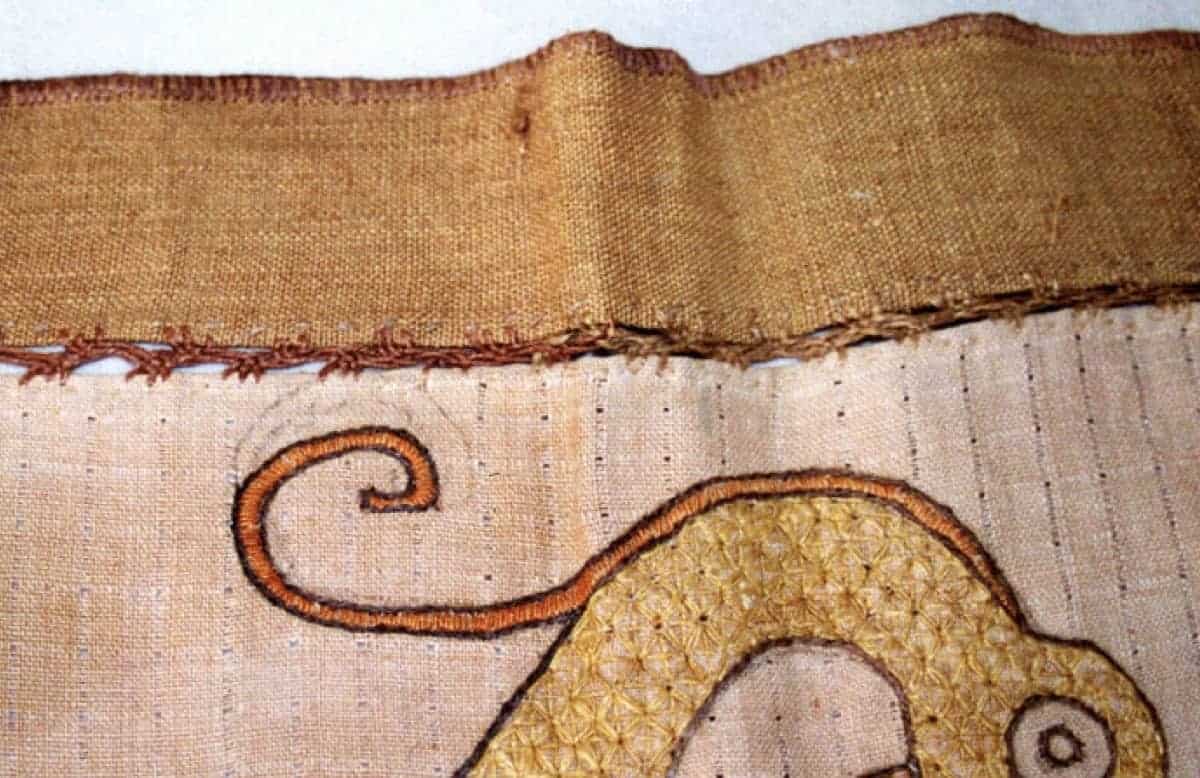
The embroideries were written about again in 1922 and 1923 in The Needlewoman magazine. One illustration is of a strange-looking bird, embroidered on a square cloth with border strips attached by means of insertion stitches. This is described as ‘a specially fine example of old embroidery’. The writer conjures up an impression of Mayor Whitley Thomson travelling across Russia collecting peasant textiles as he went. But the pictures show some rather curious pieces, which bear little resemblance to the counted thread designs typically worked on ritual towels and items of dress in rural Russia until the beginning of the 20th century. And what were these items for? Most of them are small squares or rectangles, such as an Edwardian lady might spread on a sideboard or indeed on the back of a sofa. What use would these items be to a Russian peasant?

In the late 19th century, as throughout Europe, educated people in Russia became involved in a quest for their own national identity. Artists took inspiration from ancient myths and folk art, including embroidery and peasant dress. Aristocrats and wealthy philanthropists set up arts and crafts workshops on their country estates, employing designers to teach local peasants. Their aim was to preserve skills, but also to encourage the rural population to produce handicrafts which could be sold in Moscow, St Petersburg or abroad, so discouraging the movement away from the countryside towards better paid work in towns and factories. There were signs that the old crafts were in decline but it was ironic that philanthropists thought that peasants needed to be taught how to do woodwork and embroidery – skills they had used with virtuosity for centuries.
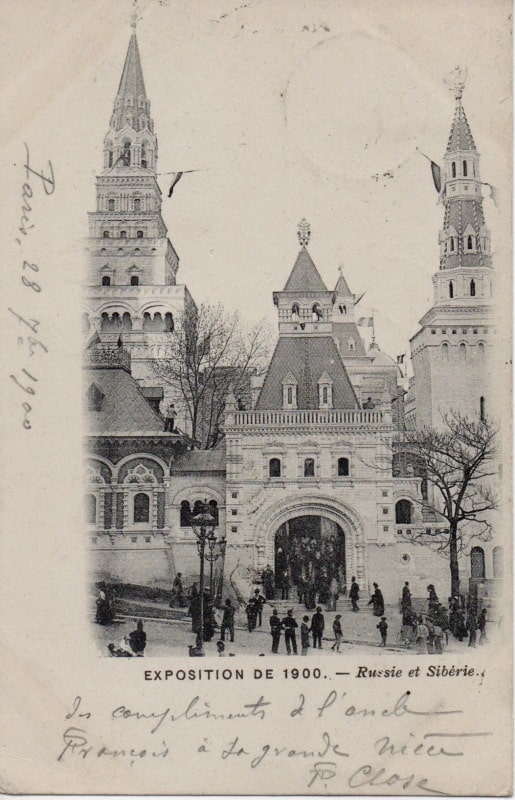
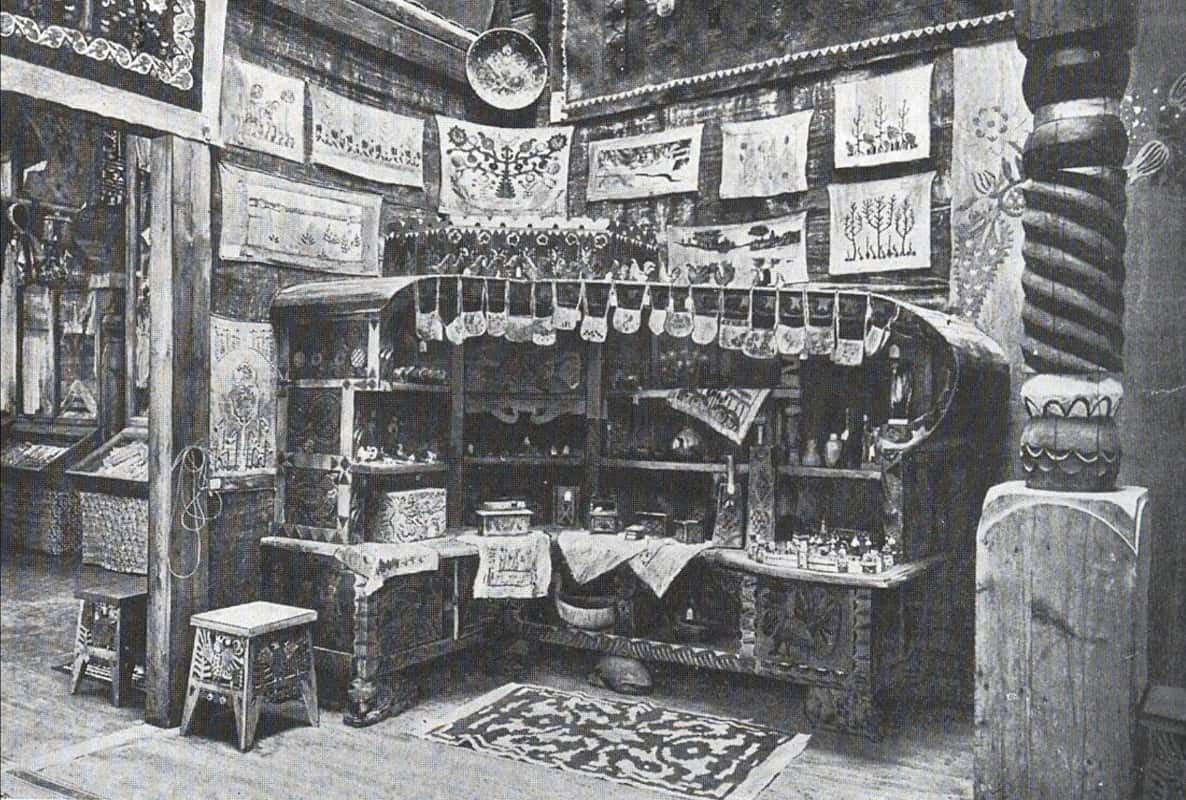
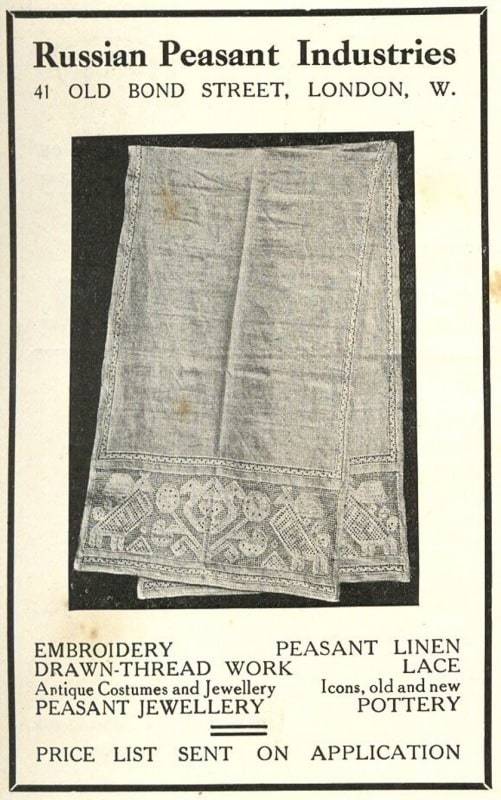
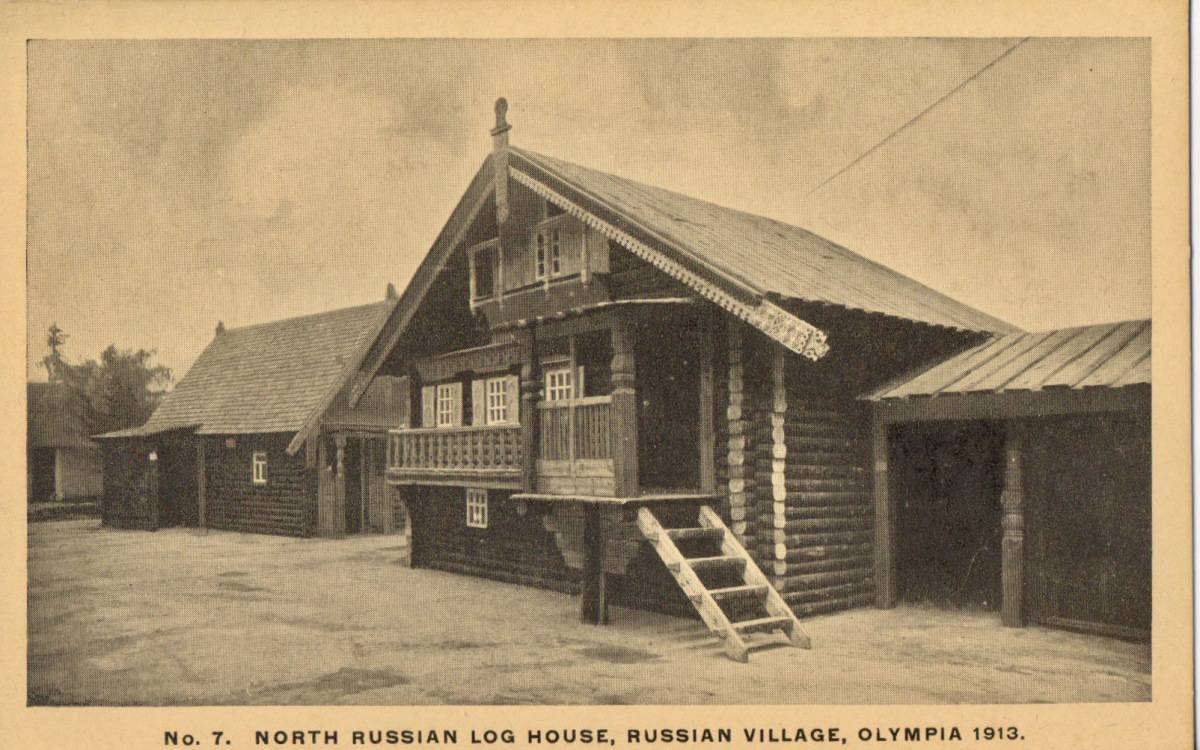
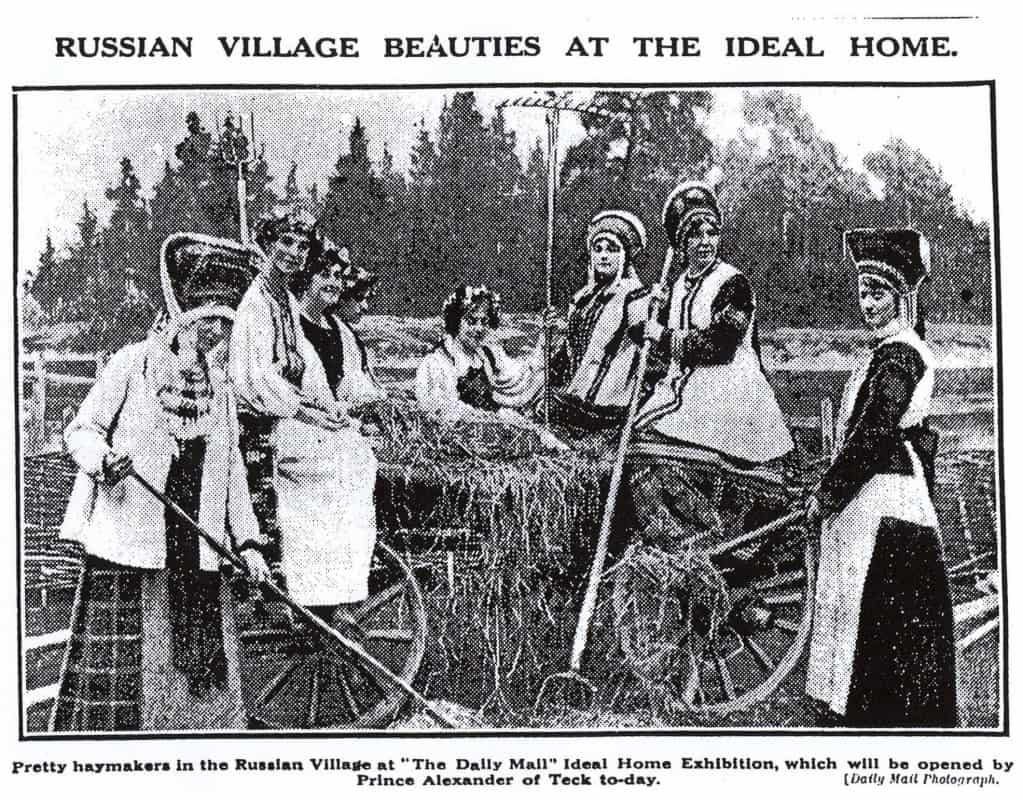
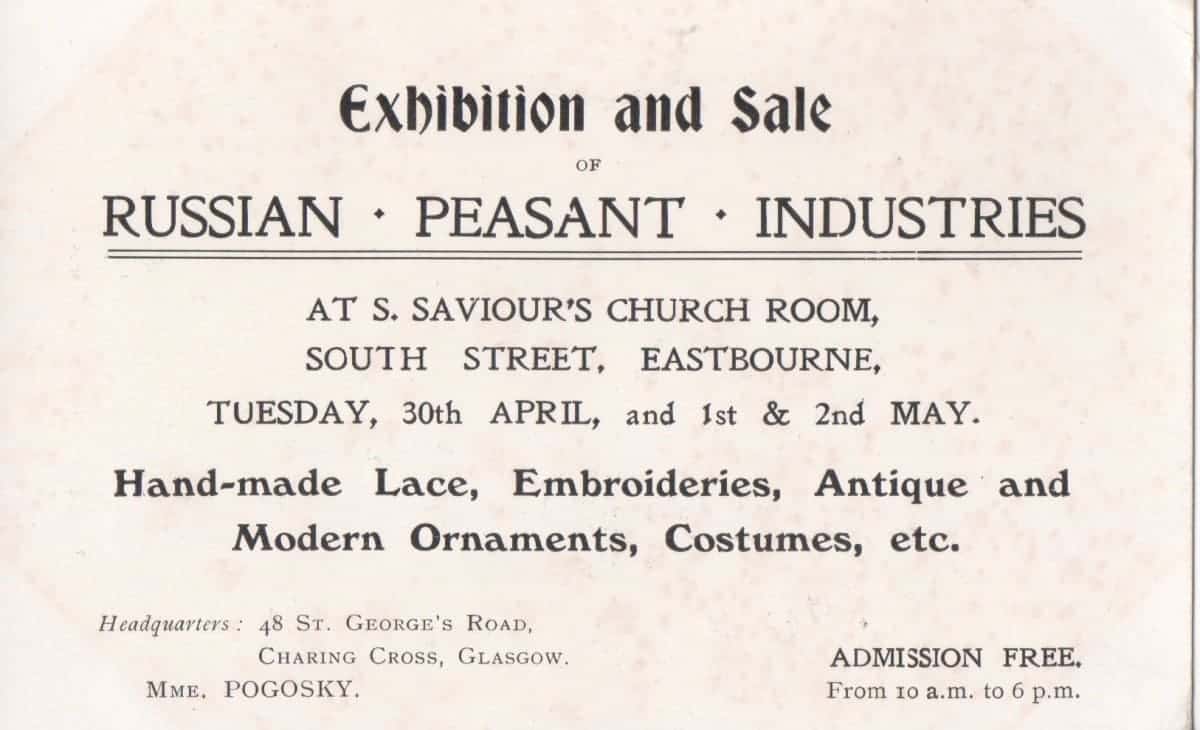
Western Europeans at this time displayed great enthusiasm for everything Russian. Diaghilev’s Ballets Russes took audiences by storm. On display in the Russian Peasant Industries shop in London’s Bond Street, as well as in the Russian pavilions at the international exhibitions in Paris, Glasgow and London, were the charming products of the estate workshops, specially designed to appeal to the westerner’s appetite for exotic ‘Russian-ness’.

Russia’s pavilions at the Glasgow International Exhibition, 1901
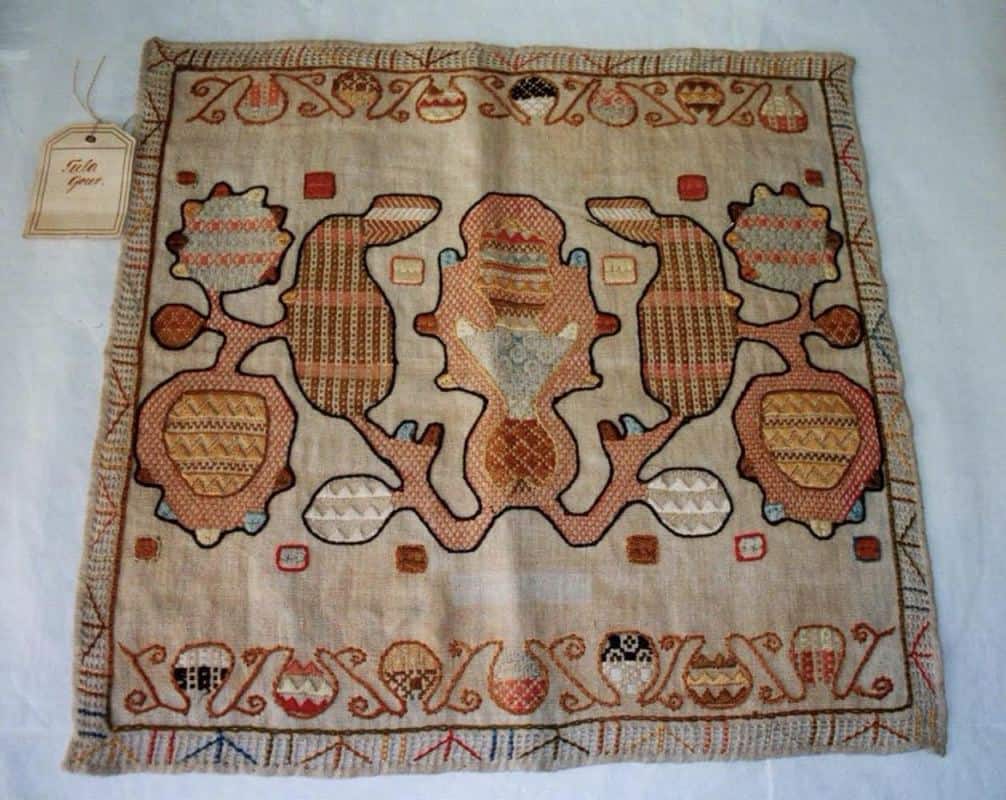
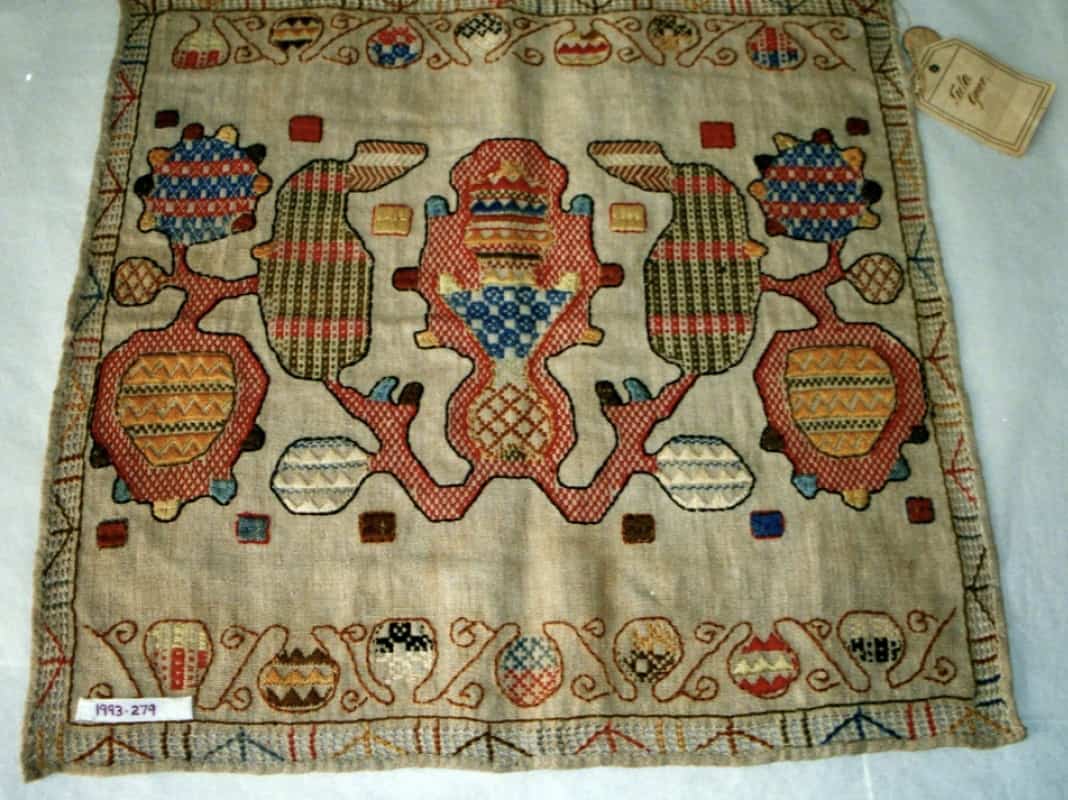
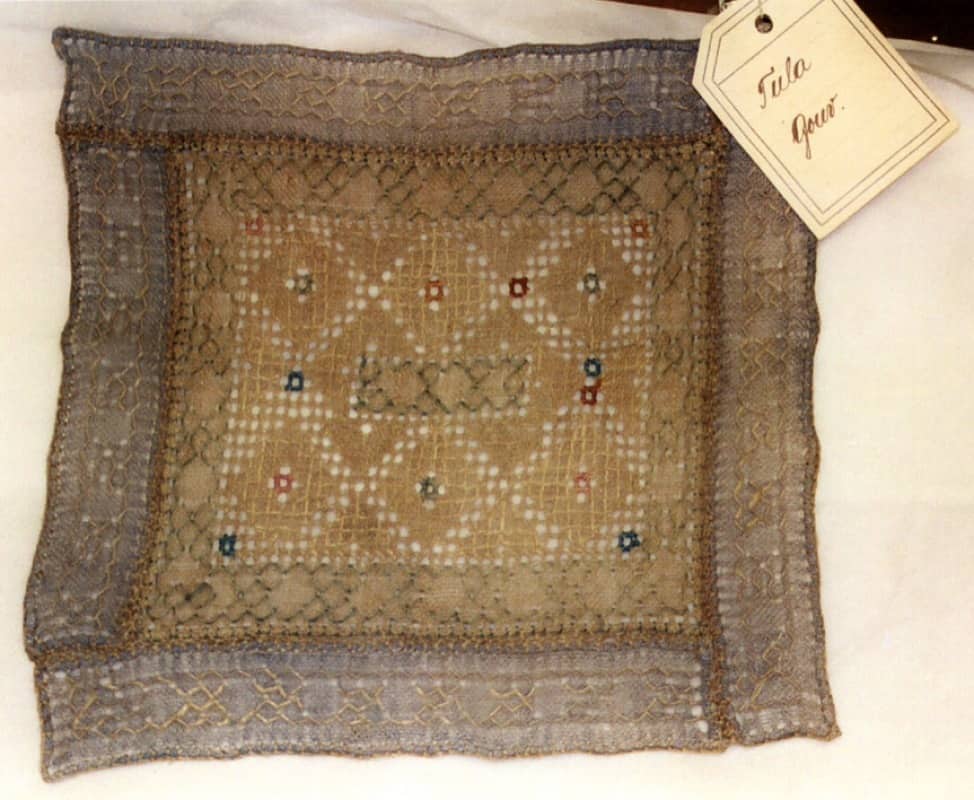
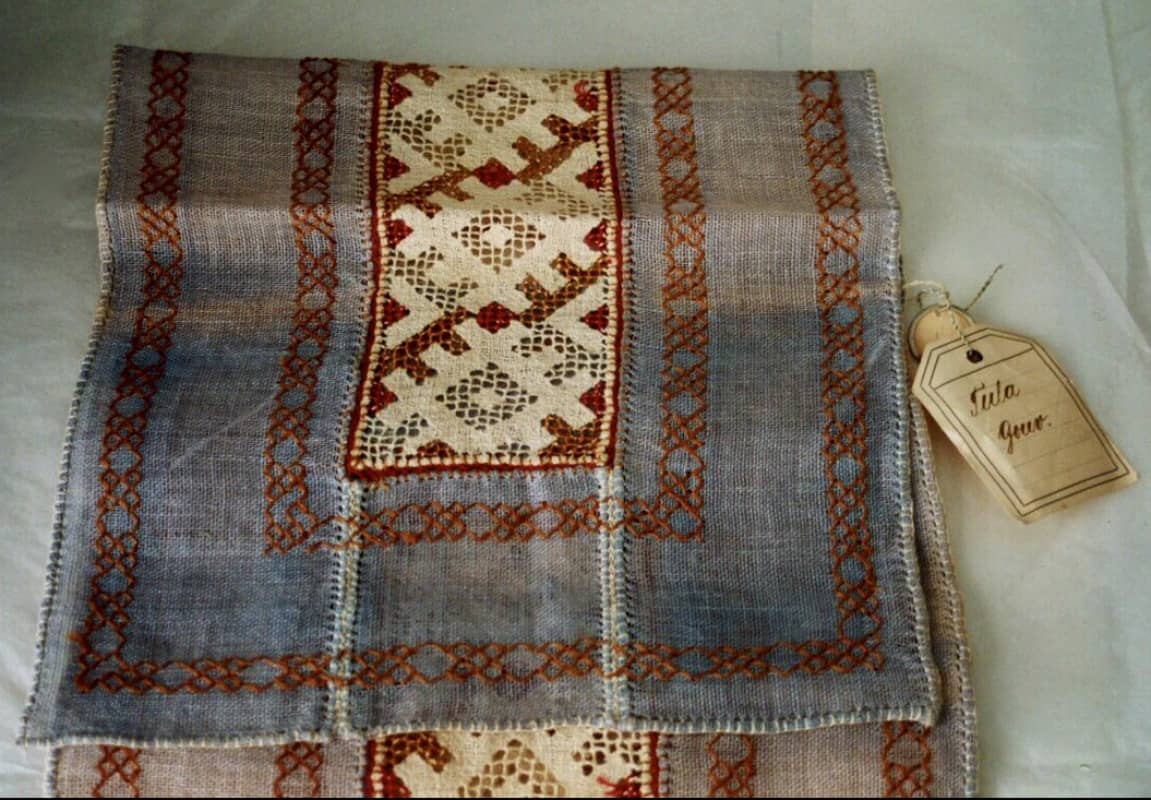
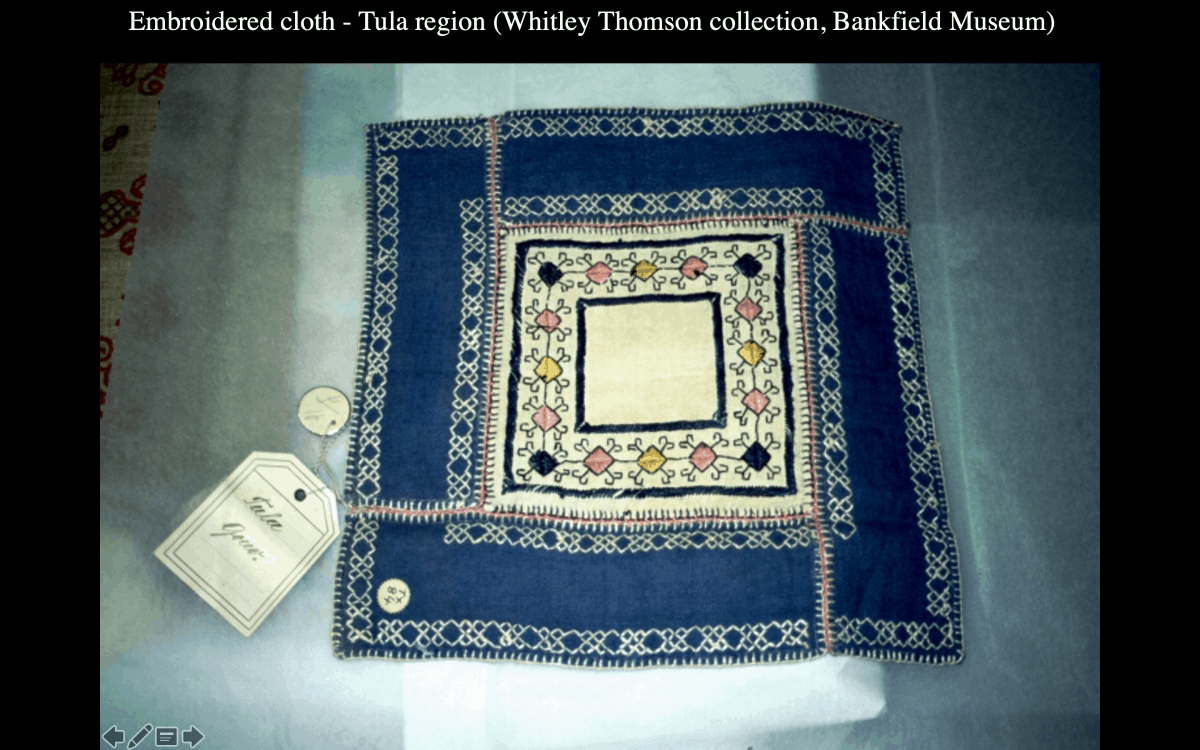
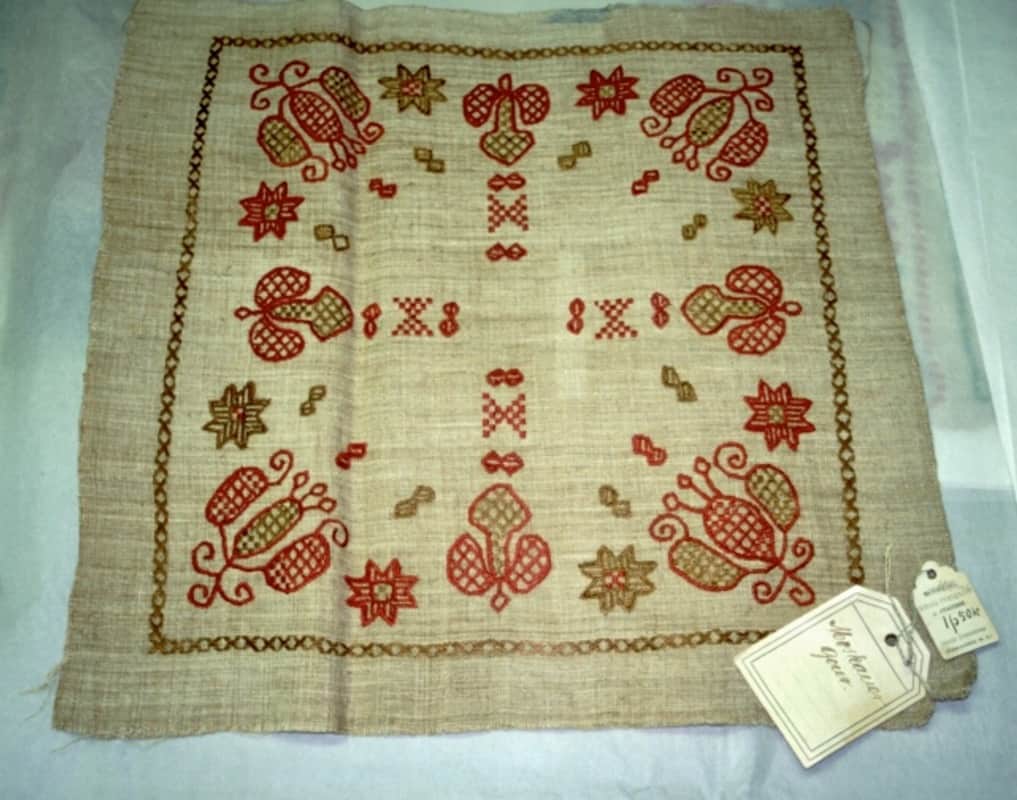
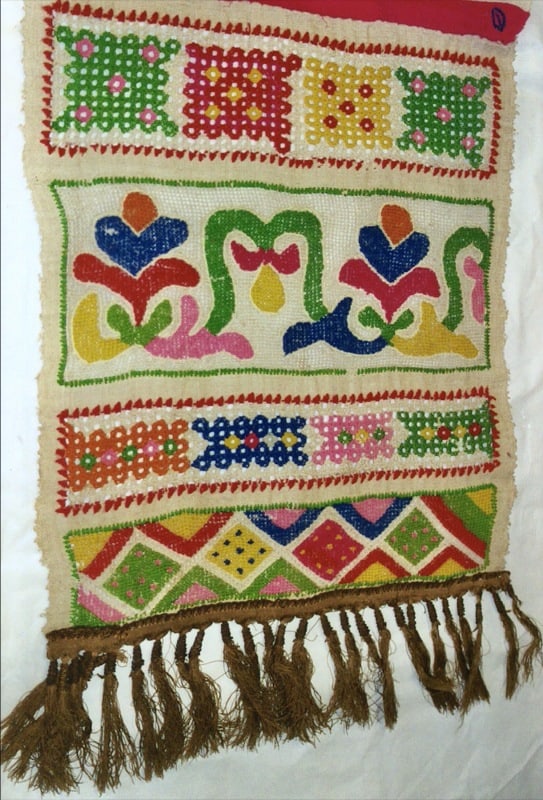
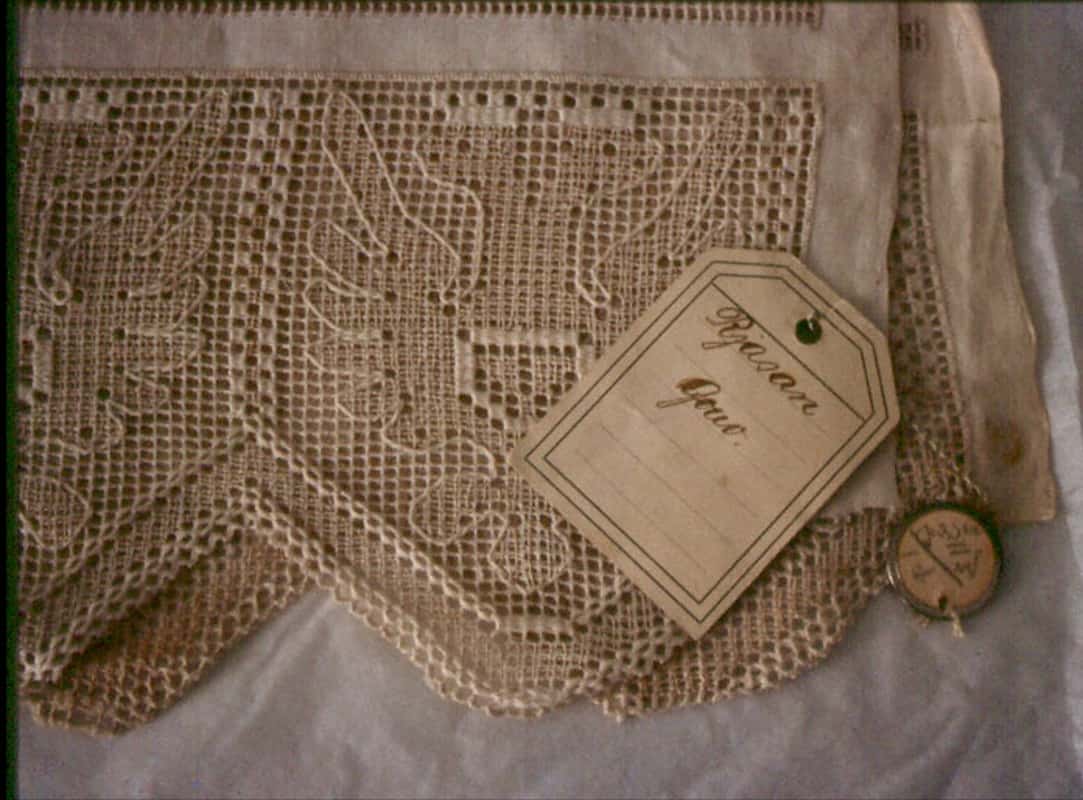
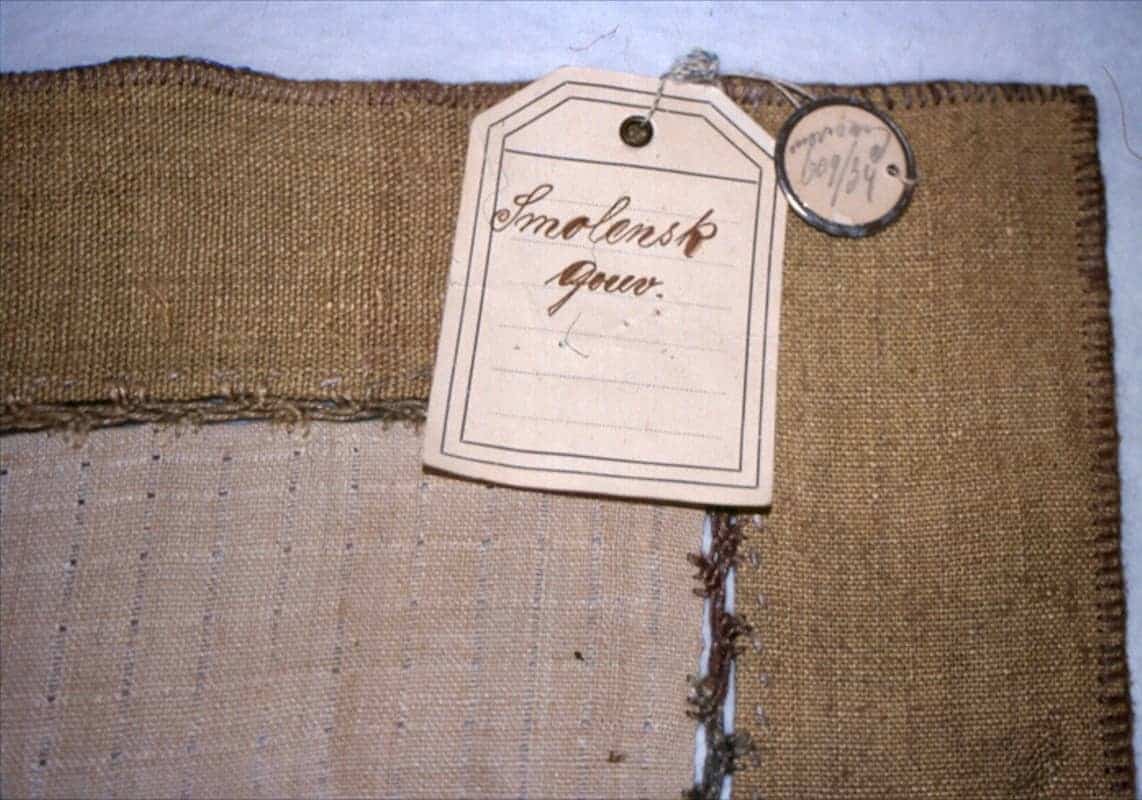
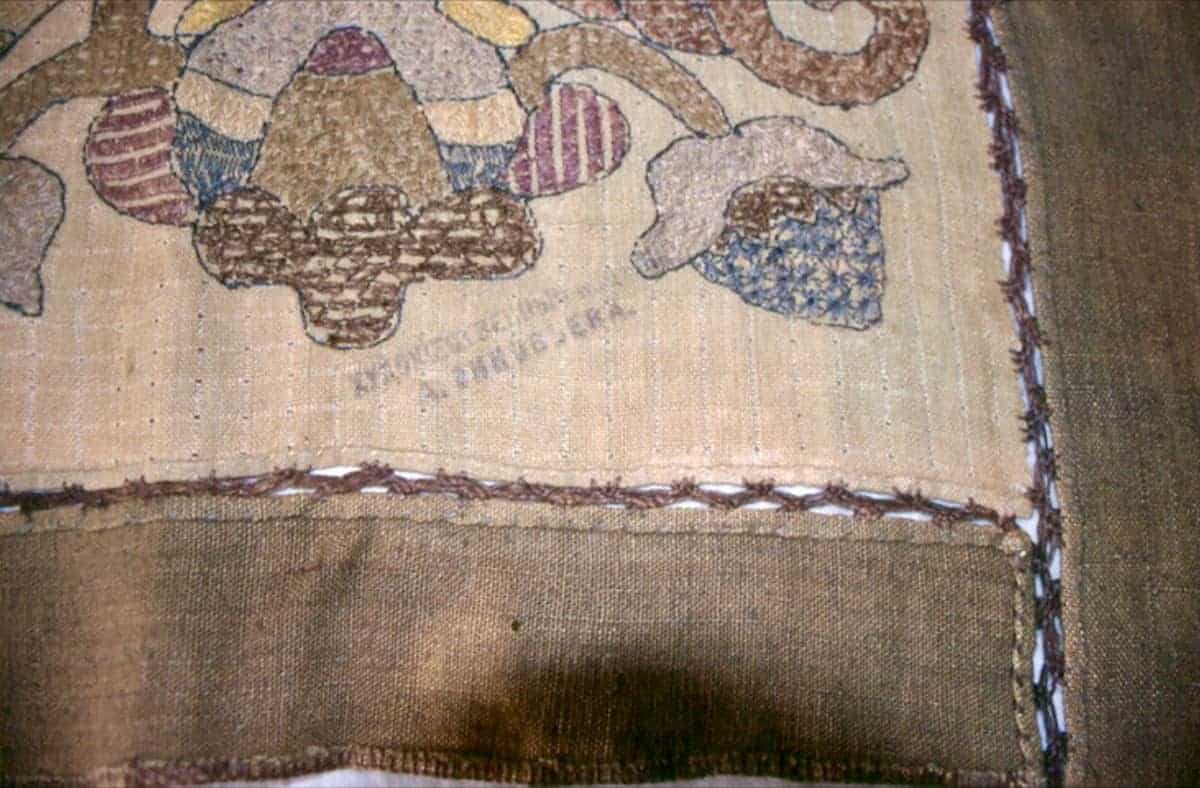
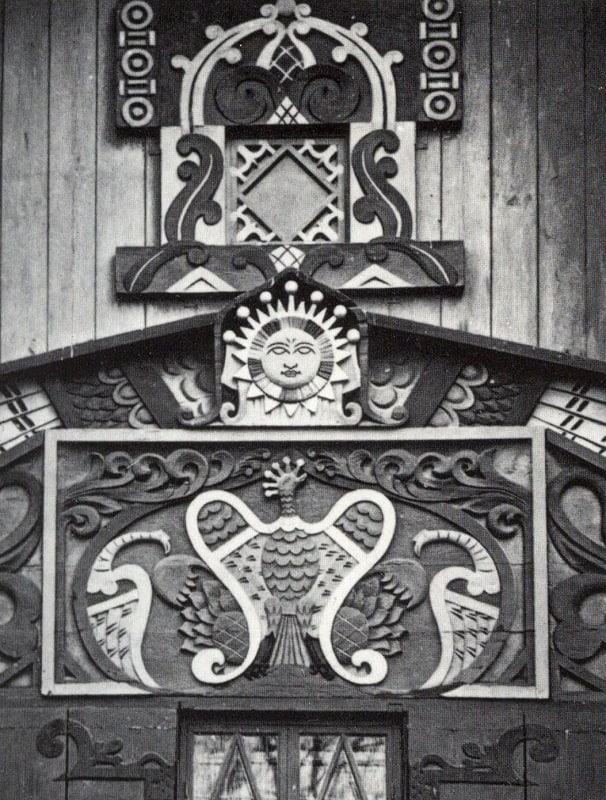
The bird embroidery shows many of these atypical characteristics, and reveals several clues about its creation. Pencil marks indicate that the design was drawn on the cloth before the embroidery was worked. Possibly one person did the drawing and another the stitching. On the back is some stamped wording, roughly translatable as ‘Artistic design of A Zinoviev’. The label shows that the piece came from Smolensk, which was the location of one of the most famous workshops, established in 1898 on Princess Maria Tenisheva’s estate of Talashkino, where one of the principal designers was Aleksei Zinoviev. On the estate was a studio specialising in the use of natural dyes to produce the kind of ‘artistic’ sludgy colours that appealed to the sophisticated eye. Talashkino’s trademark was the Firebird – the fabulous creature which features in Russian folk tales. It seems reasonable to suggest that the embroidery was designed by Zinoviev and worked by a peasant embroiderer at Talashkino, that the motif is a Firebird (and not a ‘goose’ as described in Bankfield’s acquisitions ledger) – and that it was made for sale, in a form intended to appeal to customers who wanted to buy something fashionably Russian for the home.
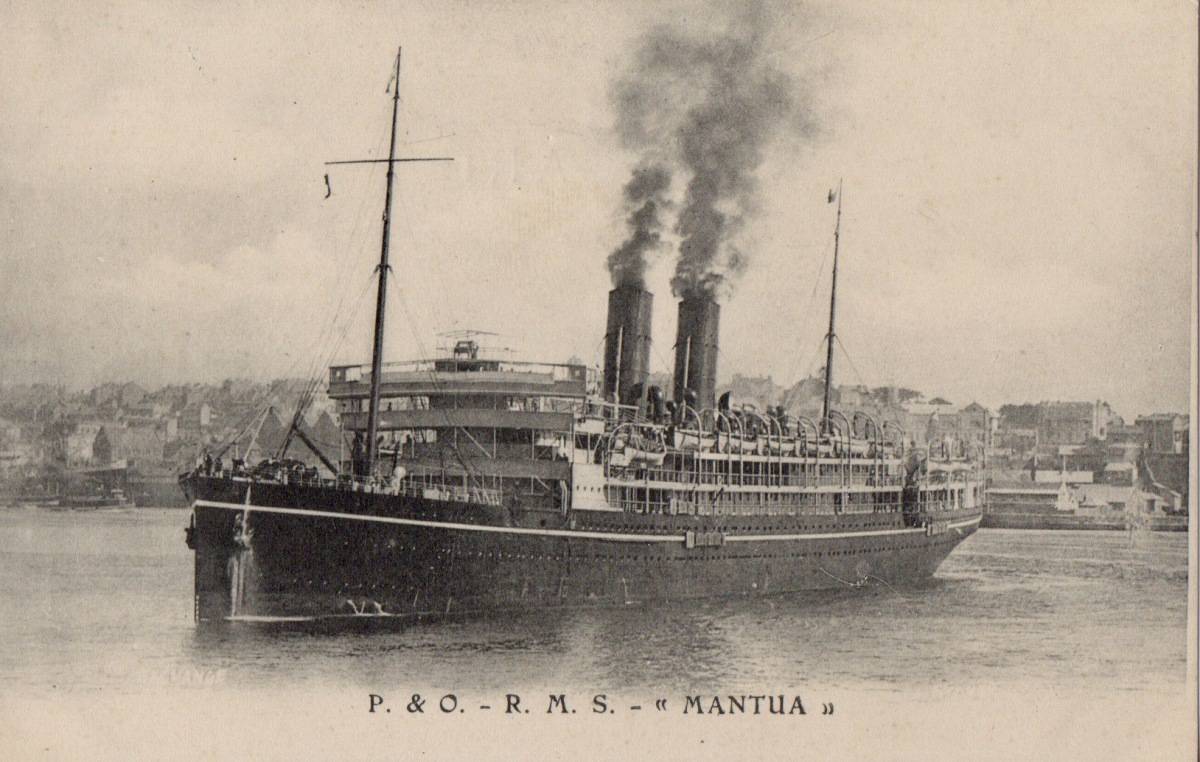
So how and why did Mayor Whitley Thomson obtain this and the other embroideries? In the Calderdale Local History archives, the Halifax Guardian for 1911 provides some answers. The Mayor did indeed go to Russia that year. But he did not go gathering embroideries from all parts of Russia, as stated in The Needlewoman. He went briefly to St Petersburg and Moscow as part of his summer holiday cruising around the Baltic with his wife and daughter. The Mayor wrote to his secretary from the P&O Steamship ‘Mantua’: ‘We have now definitely decided to go forward from St Petersburg to Moscow… under the guidance of Cook’s energetic representatives.’
The Mayor obtained the Russian embroideries because he had been asked to do so by the curator of the Bankfield Museum, Henry Ling Roth, who had spent a considerable time in Russia in the 1870s, working in the timber trade. Ling Roth had taken a great interest in peasant life, and he wanted some examples of the kind of textiles he had seen in the villages. When he heard that the Mayor was to visit Russia, he asked him to acquire some for the museum. The Mayor was probably pleased to be able to go into a shop and buy a whole range of embroidered items, and may well have thought they were just what the curator was hoping for. Was Ling Roth mystified by the parcel that came back to Halifax? He must have thought that the work did not look like the peasant embroideries he was familiar with in Russia some 40 years before.
There appear to be few examples of Russian made-for-sale arts and crafts textiles in museums, even in Russia. The Whitworth Gallery in Manchester has a few examples, which incorporate block-printing as well as embroidery. Maybe this scarcity is not surprising. These pieces were essentially souvenirs – not the kind of ‘authentic’ peasant work that museums wanted to collect. If they do exist, they are likely to be in the museum store and not on display.
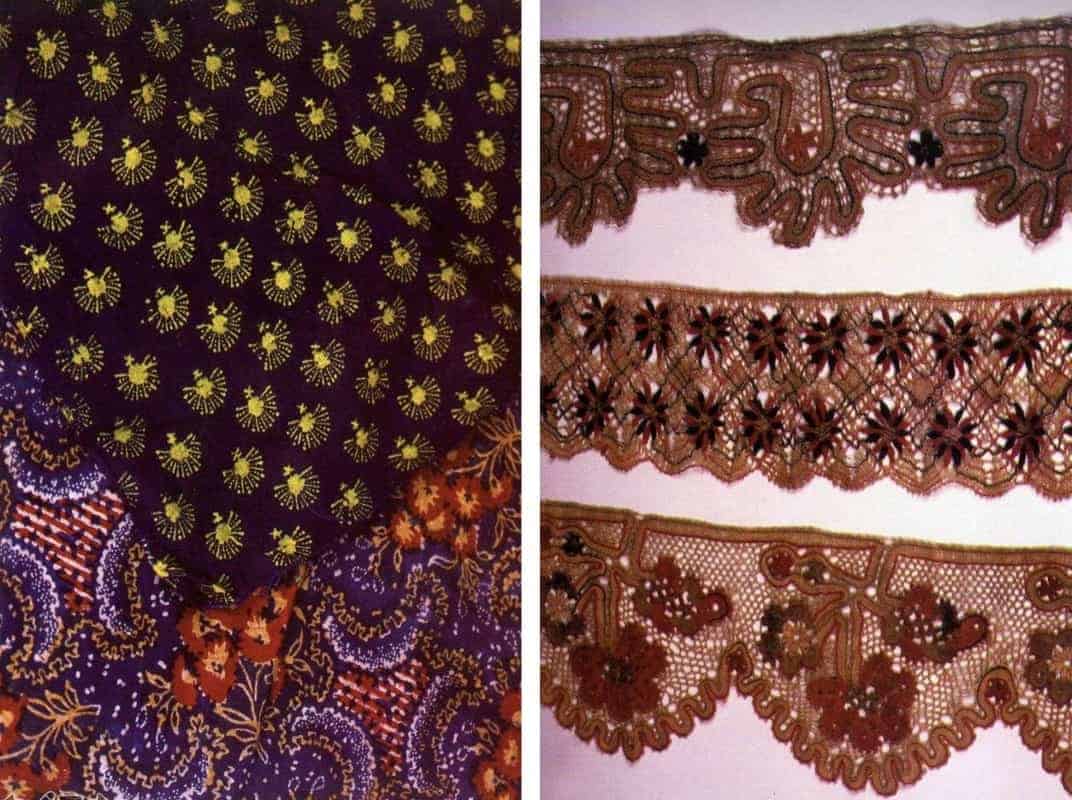
(This text is an expanded and illustrated version of an article I wrote for the July/August 2009 issue of Embroidery magazine.)
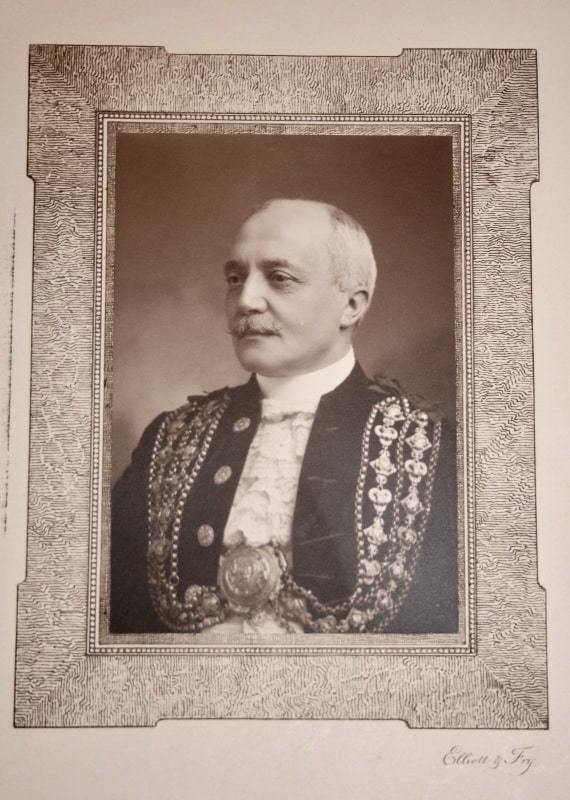
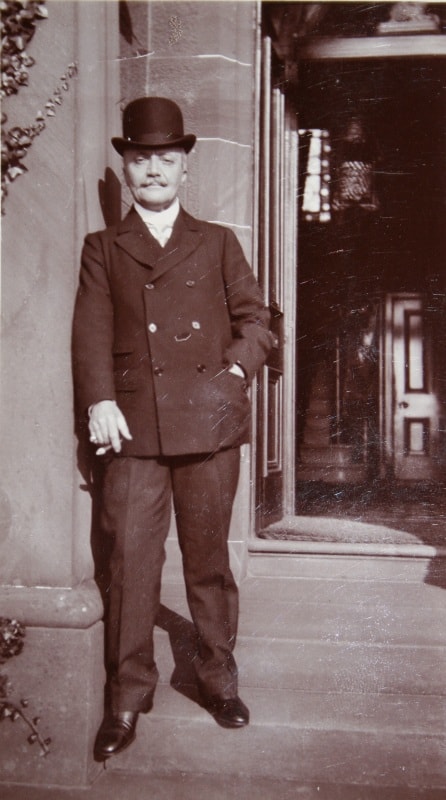
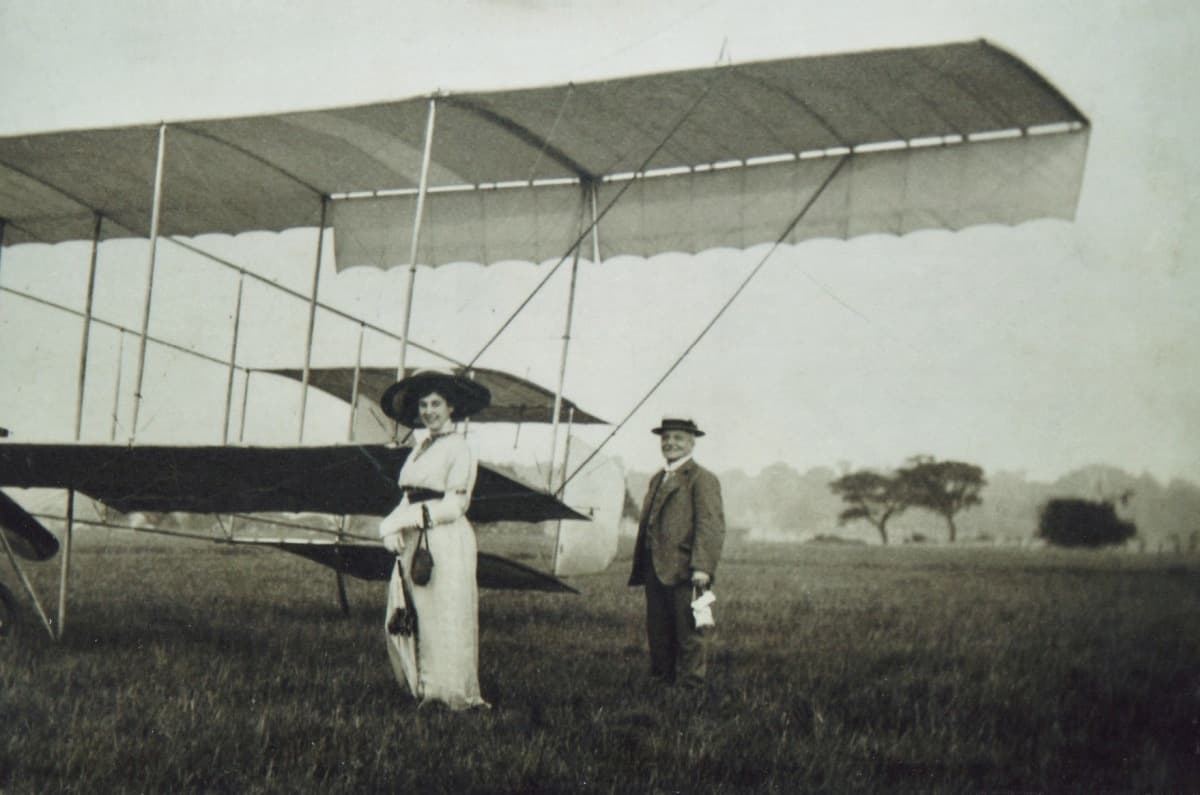
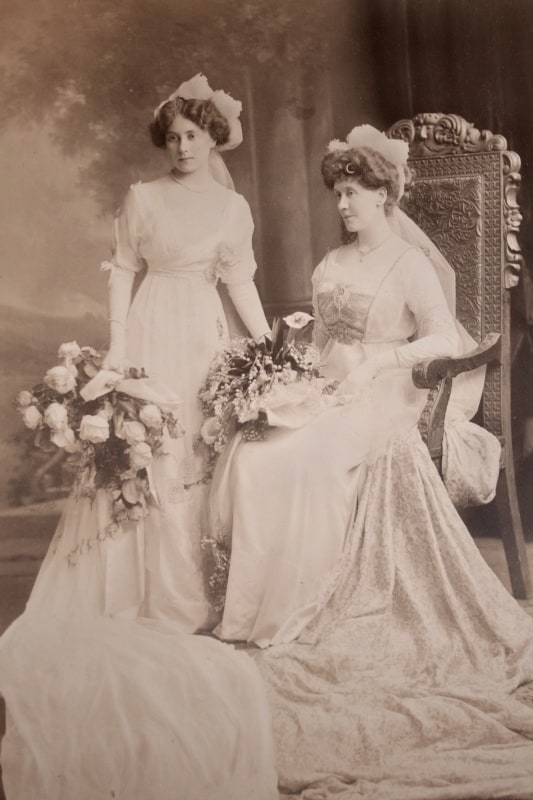
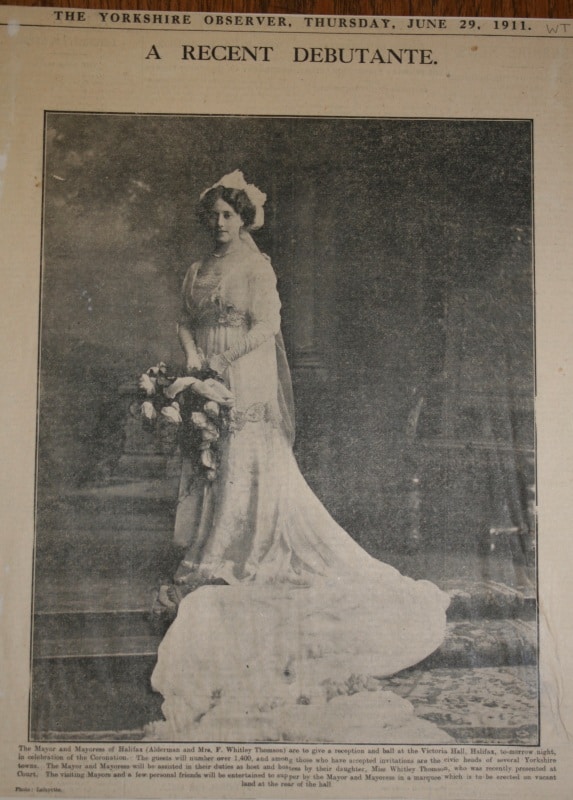
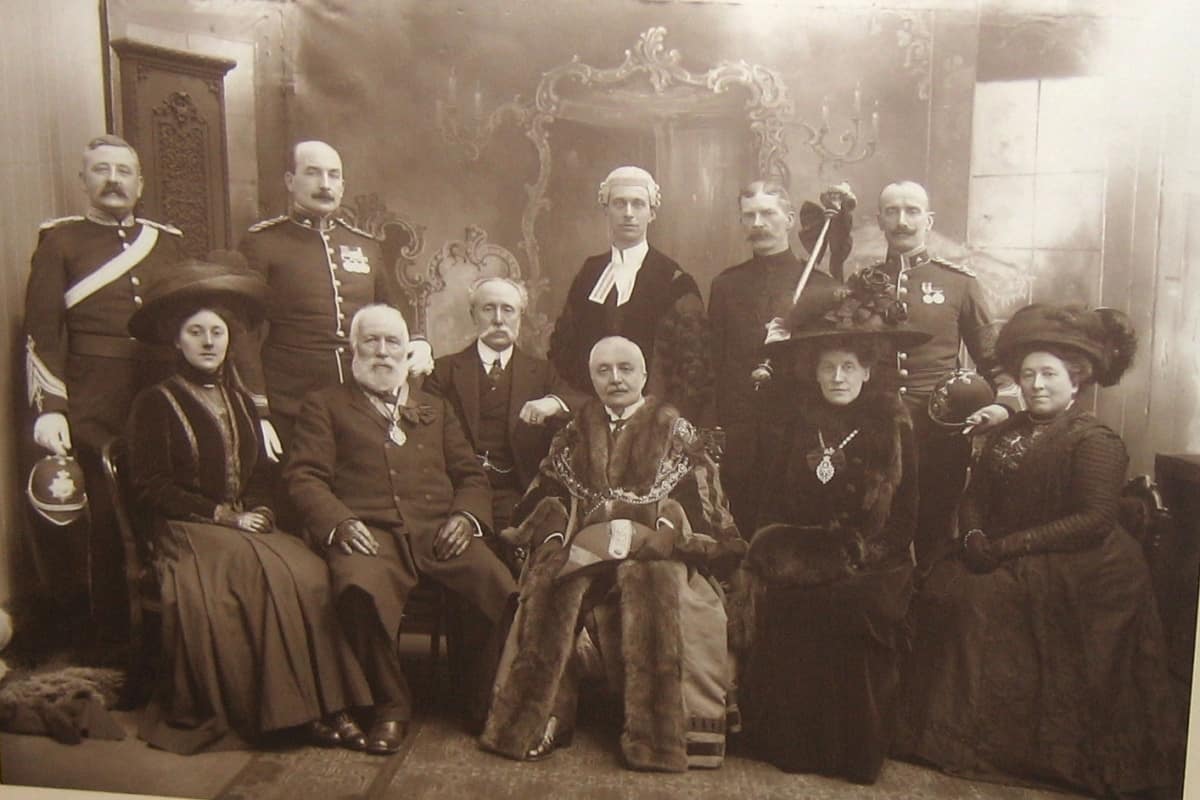
Pictures from the Whitley Thomson papers in the West Yorkshire Archive, Halifax