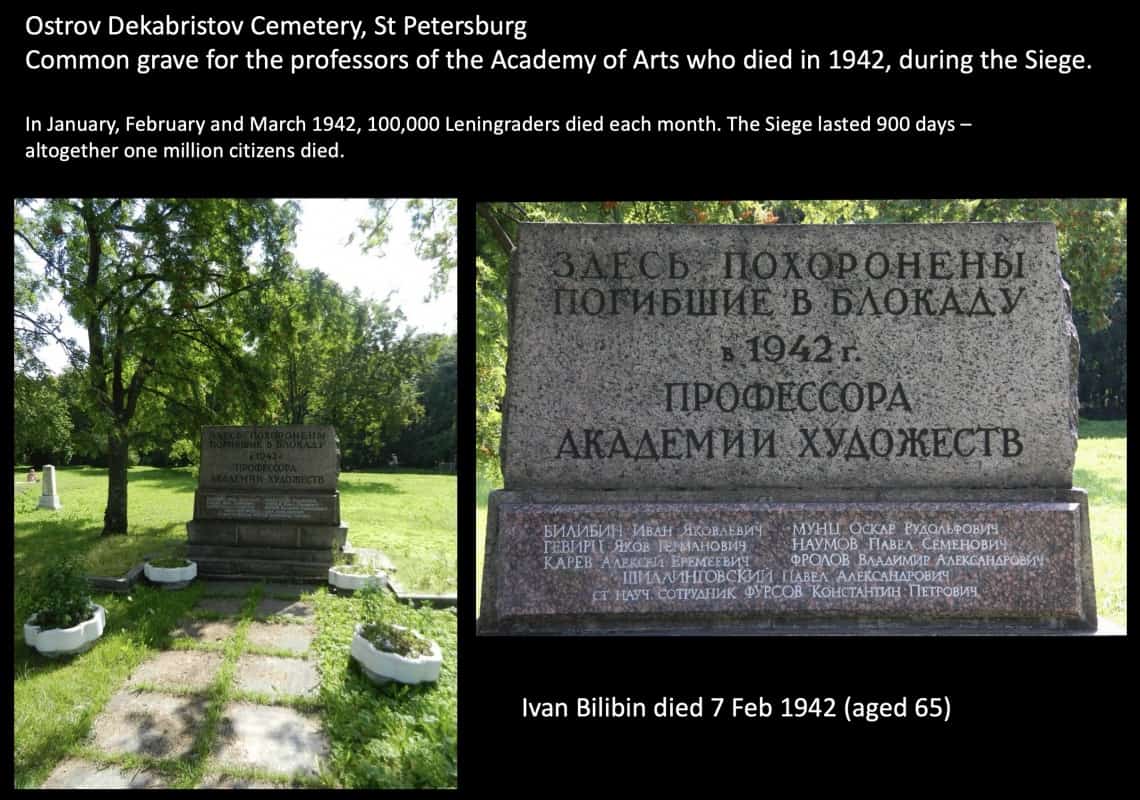
Ivan Bilibin – Picturing Old Russia
10 April 2021
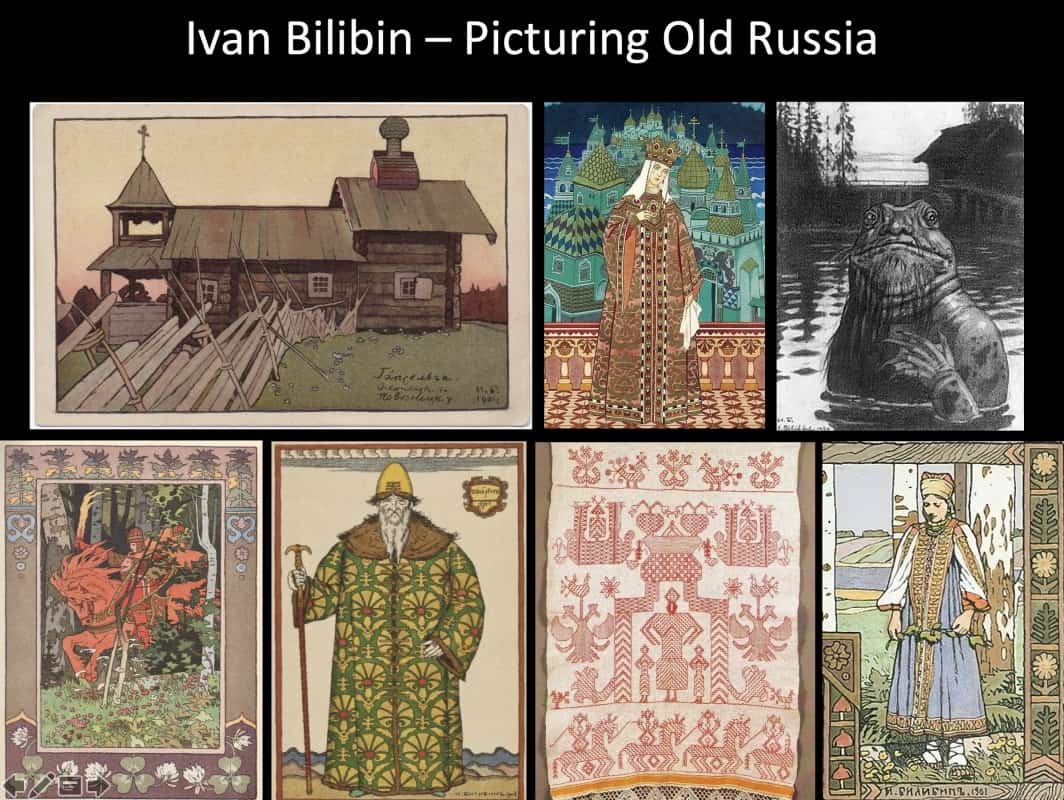
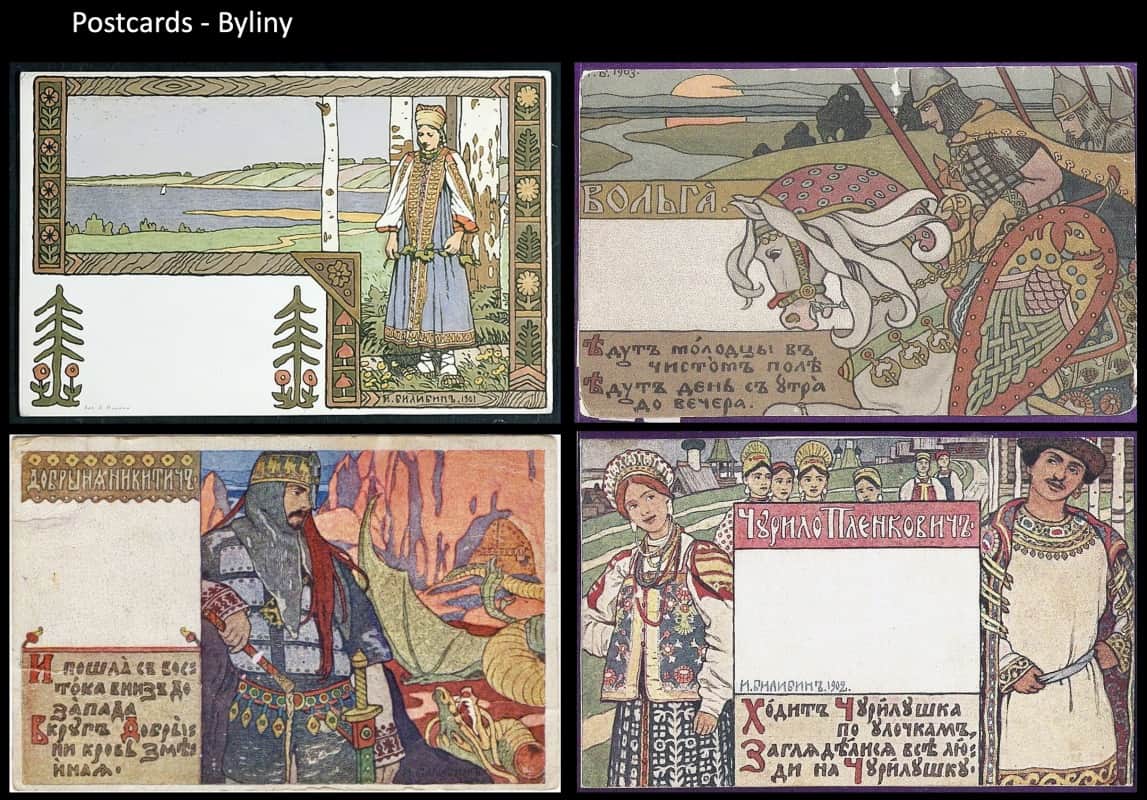
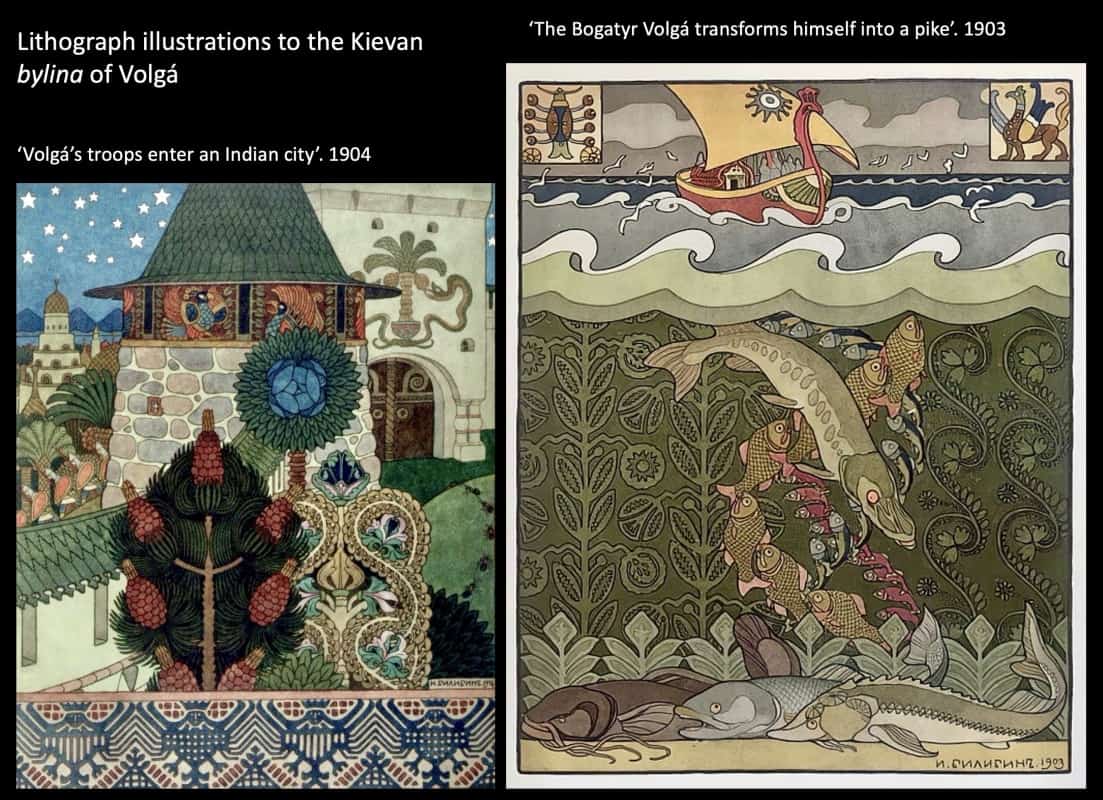
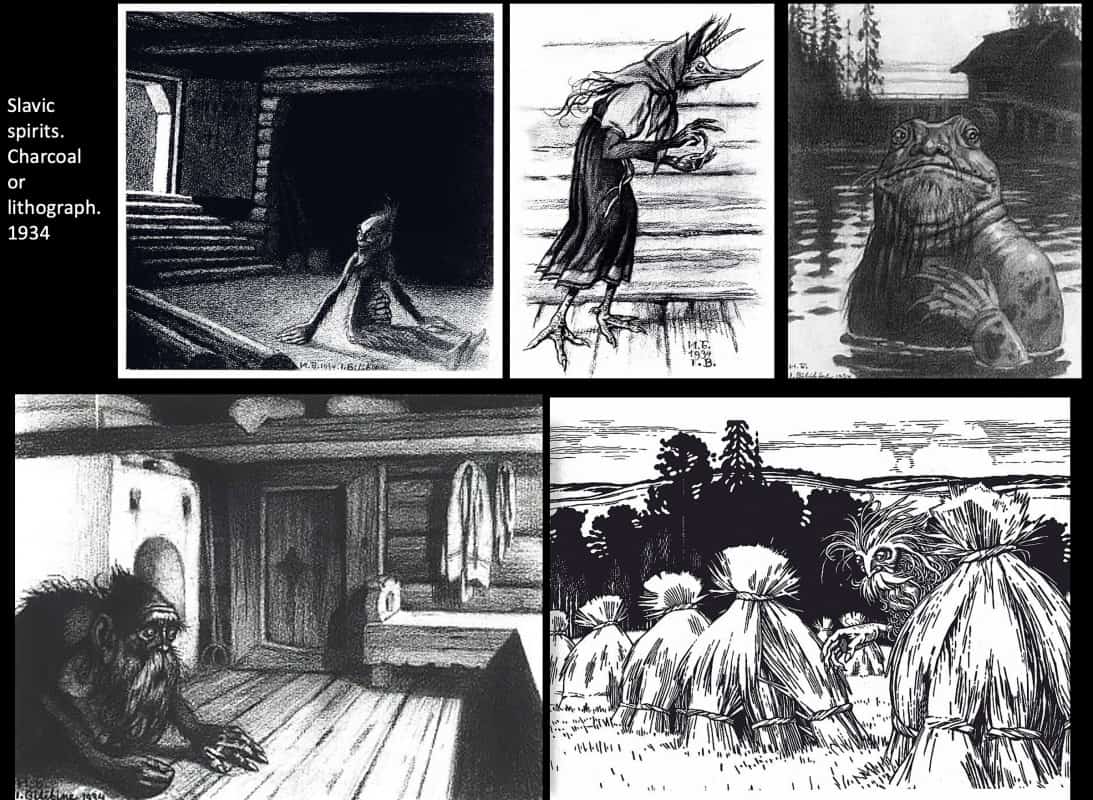
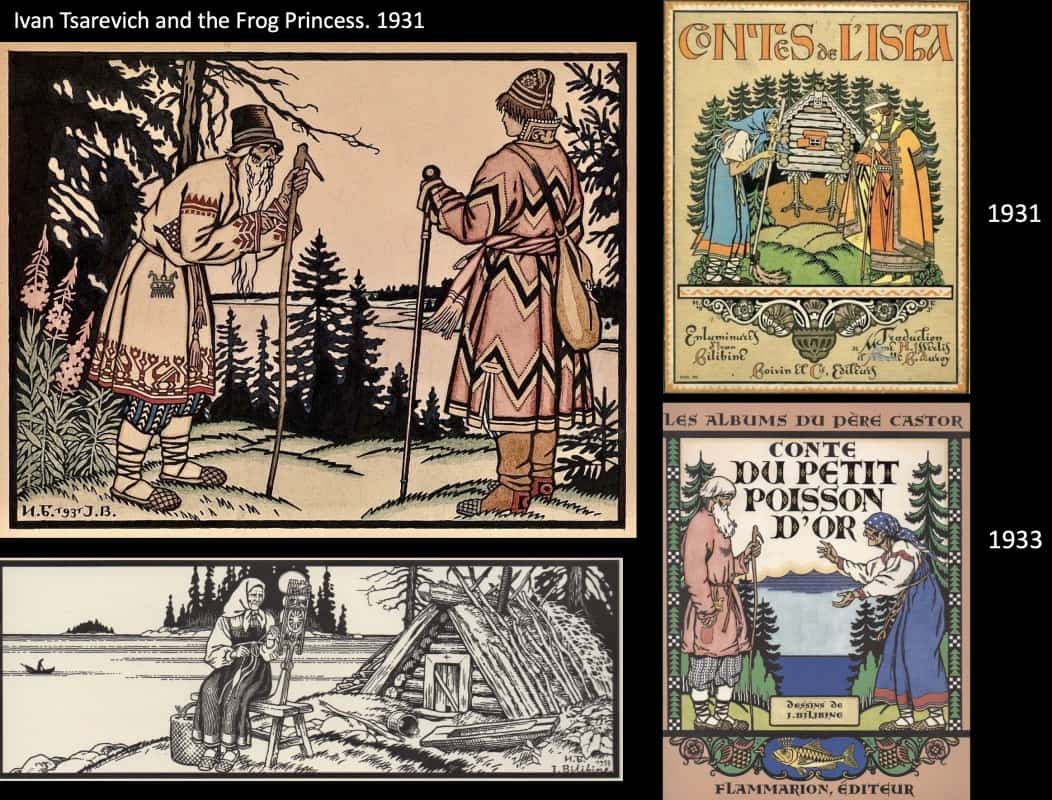
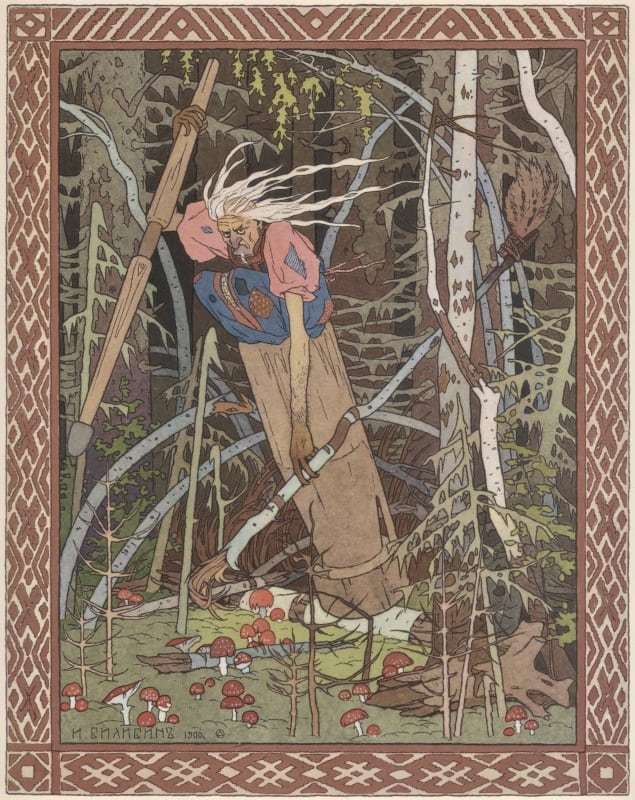
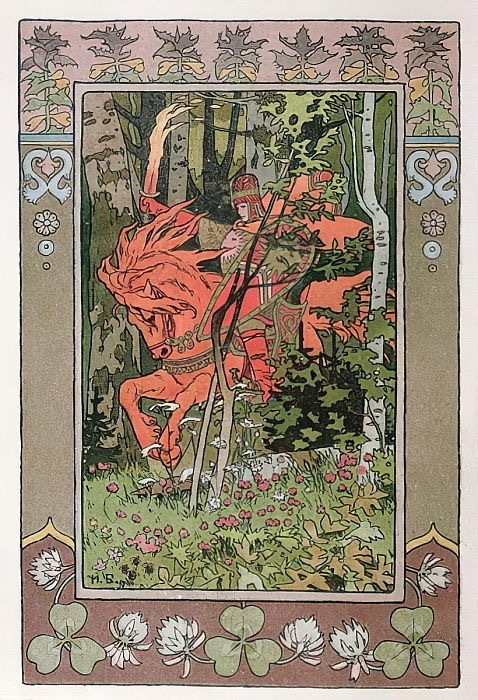
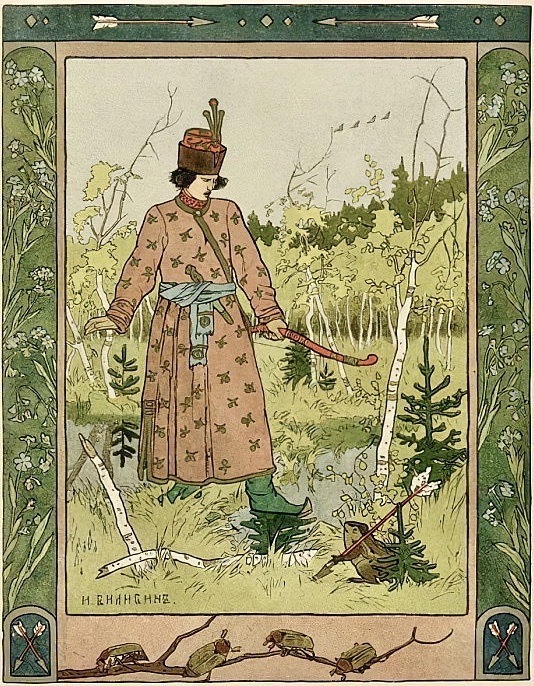
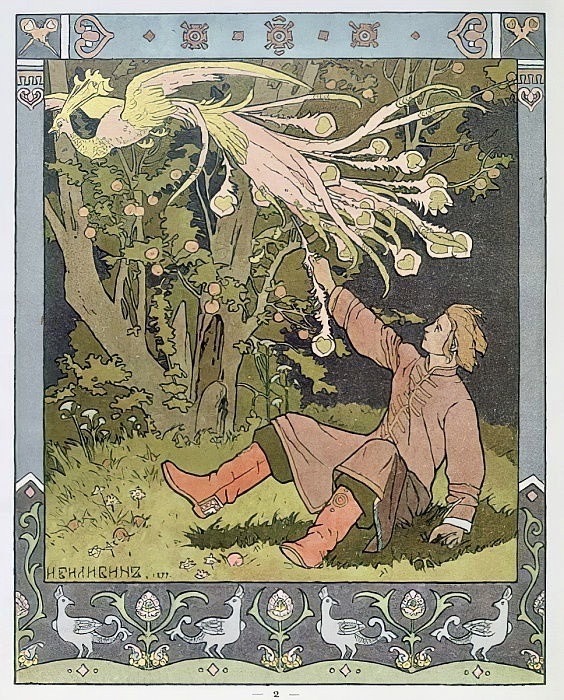
I have loved Ivan Bilibin’s Fairy Tale illustrations for as long as I can remember. Many years ago my beloved brother David (whose birthday it would have been today) gave me the English language monograph by Sergei Golynets, which is a wonderful source of information and images. Here are a few slides from the presentation I gave recently:
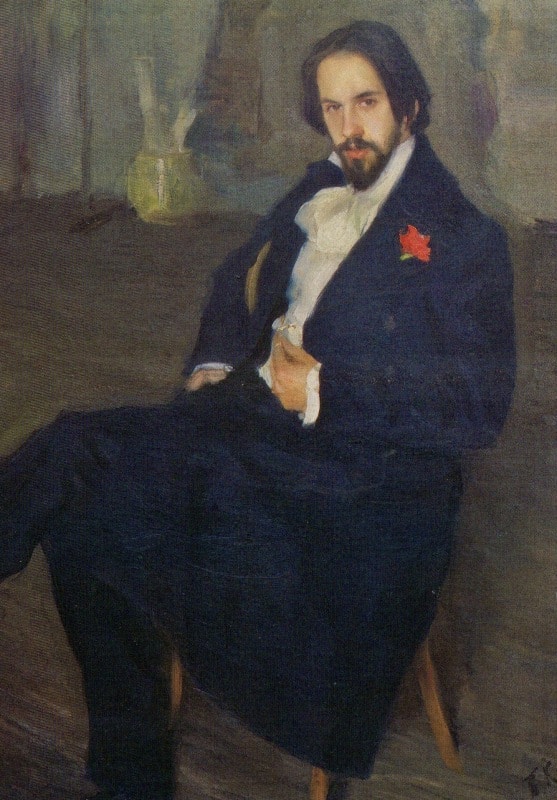
Portrait of Ivan Bilibin by Boris Kustodiev, 1901 (State Russian Museum, St Petersburg)
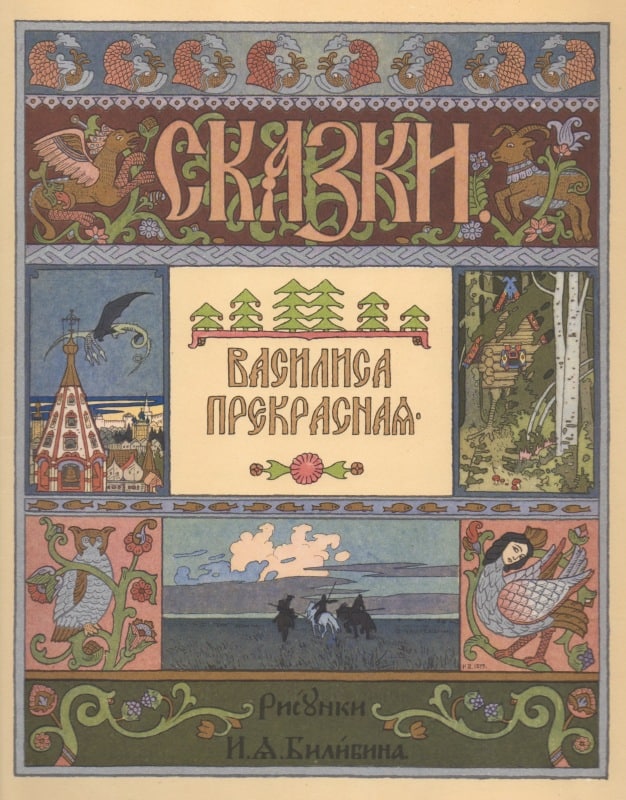
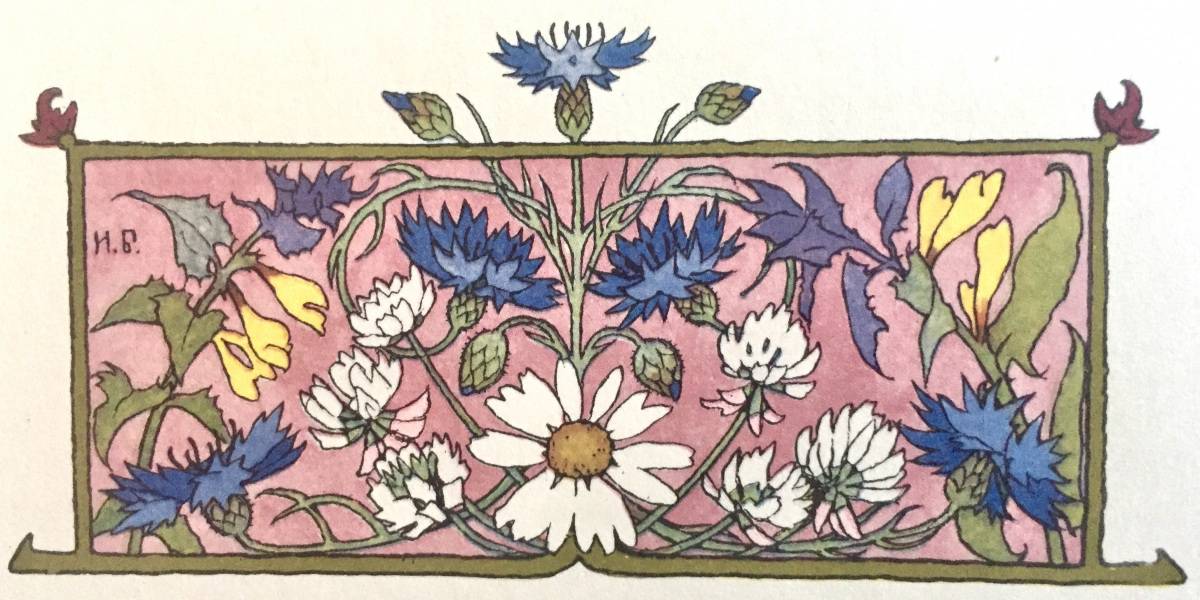
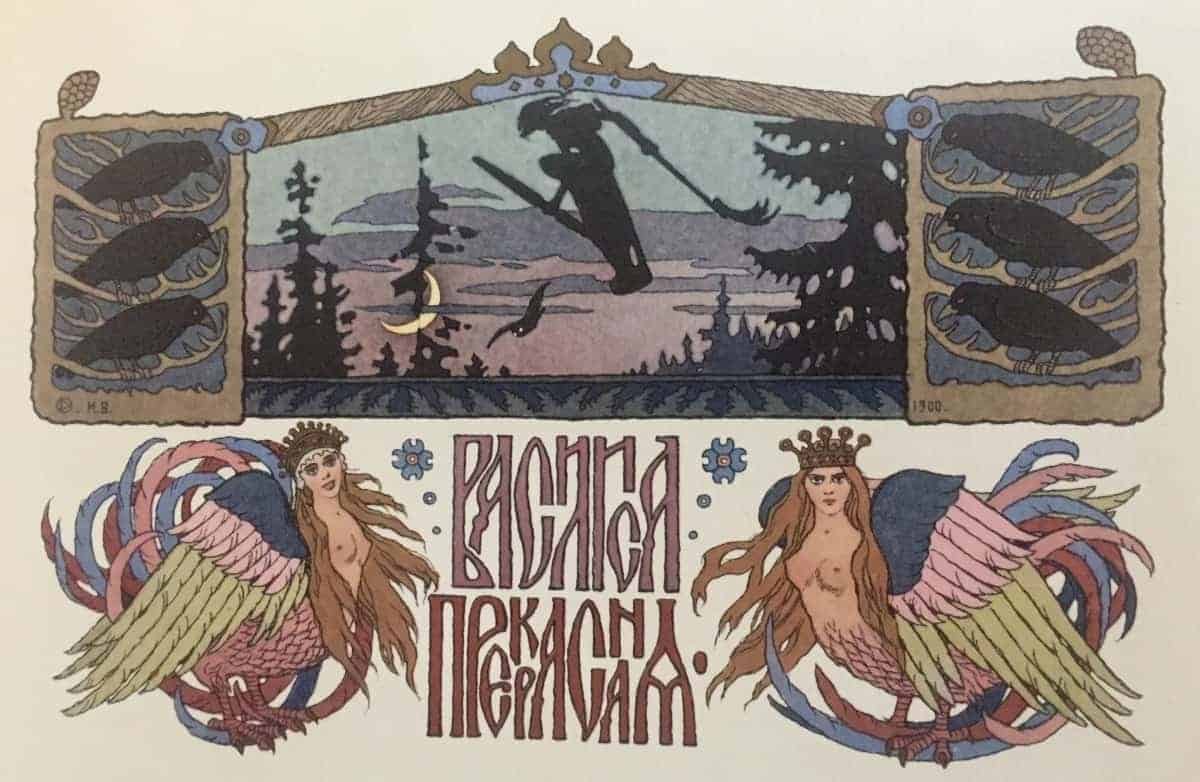
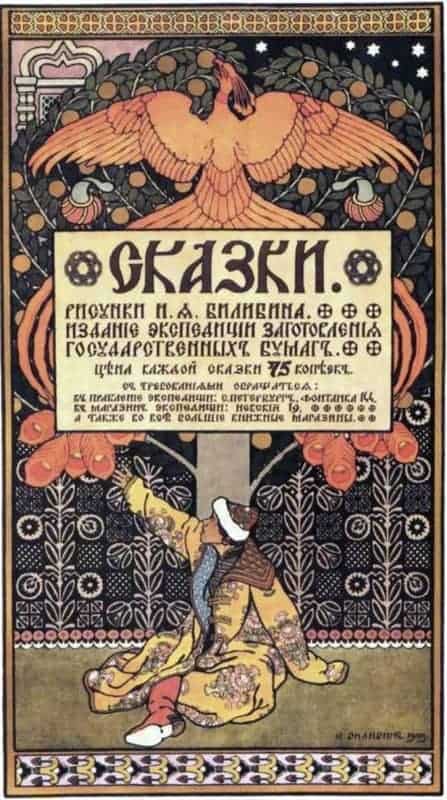
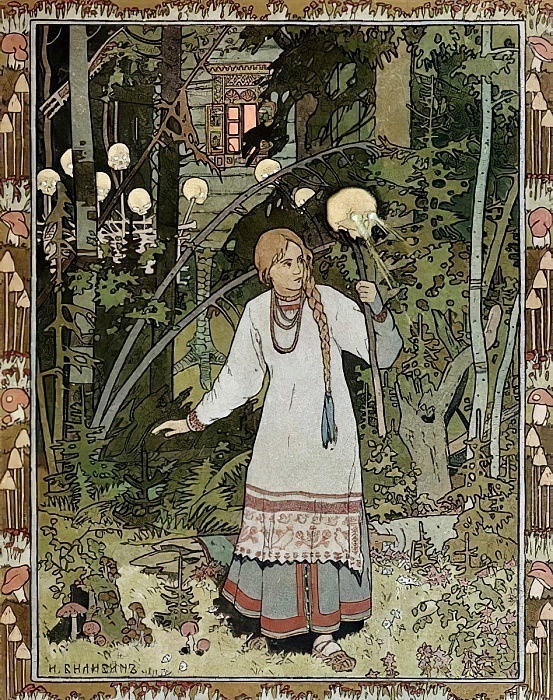
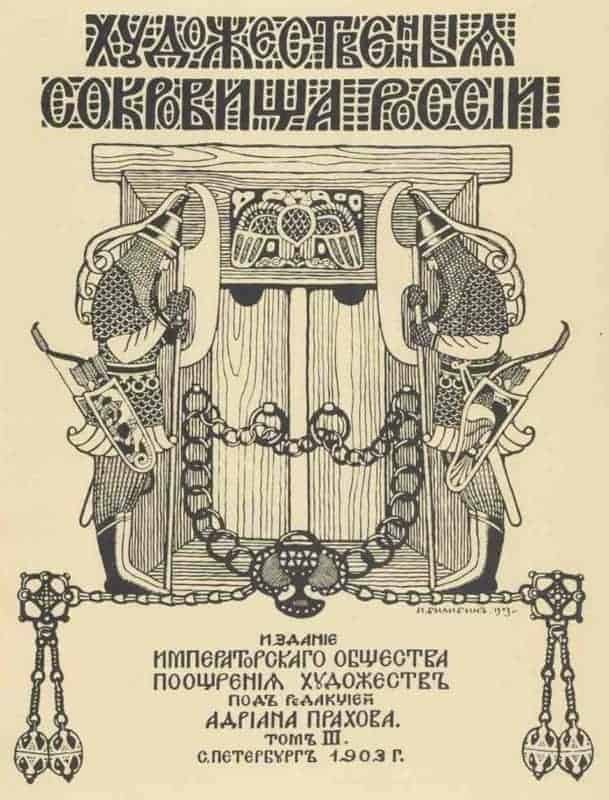
‘Vassilisa the Beautiful’. The six Fairy Tale books illustrated by Bilibin all have the same cover design, apart from the title panel. They were commissioned by the Imperial Stationery Office and published between 1901 and 1903
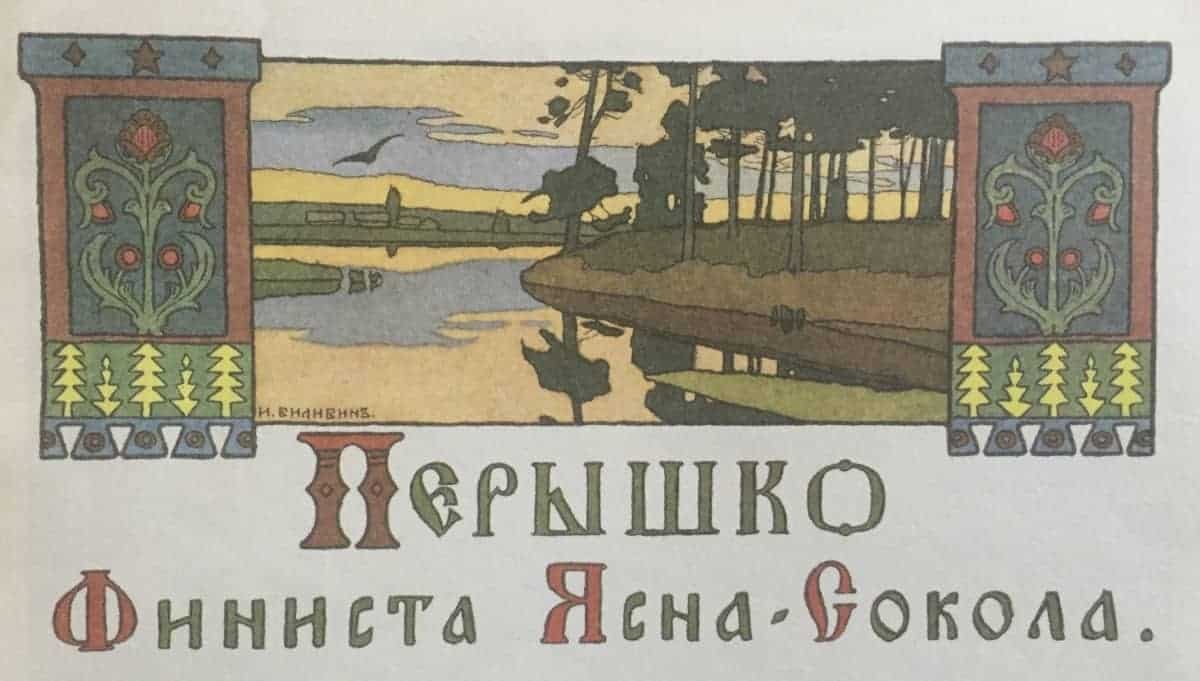
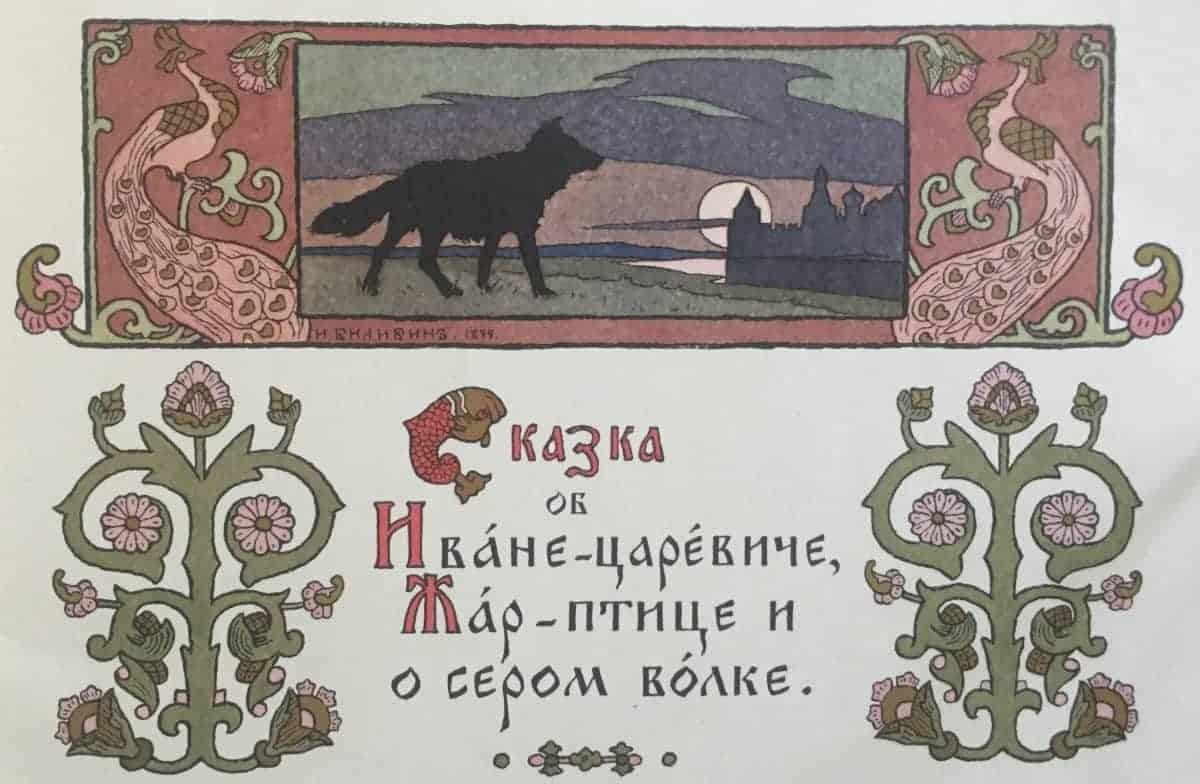
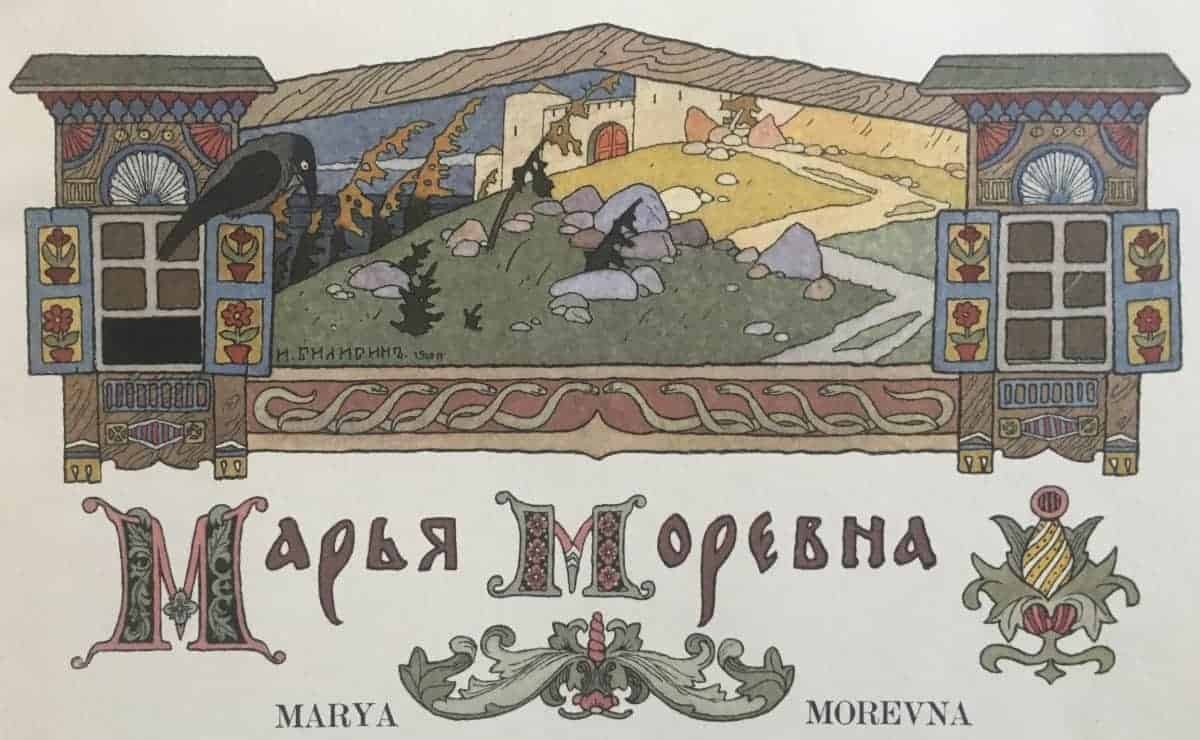



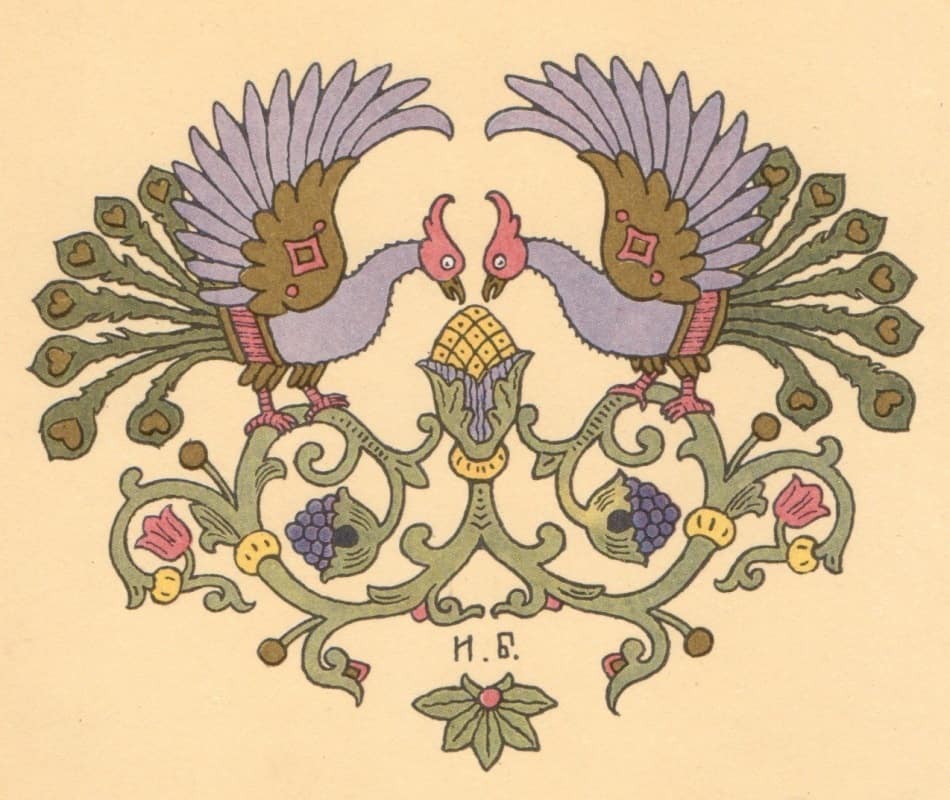
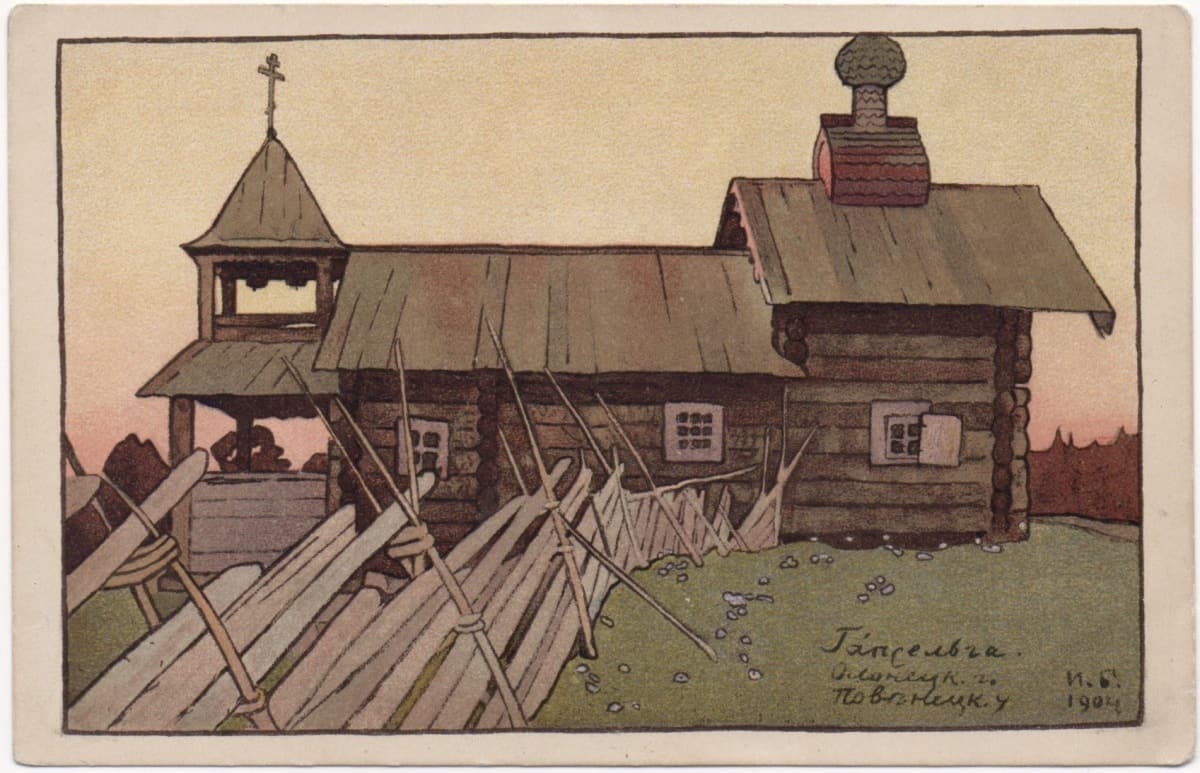
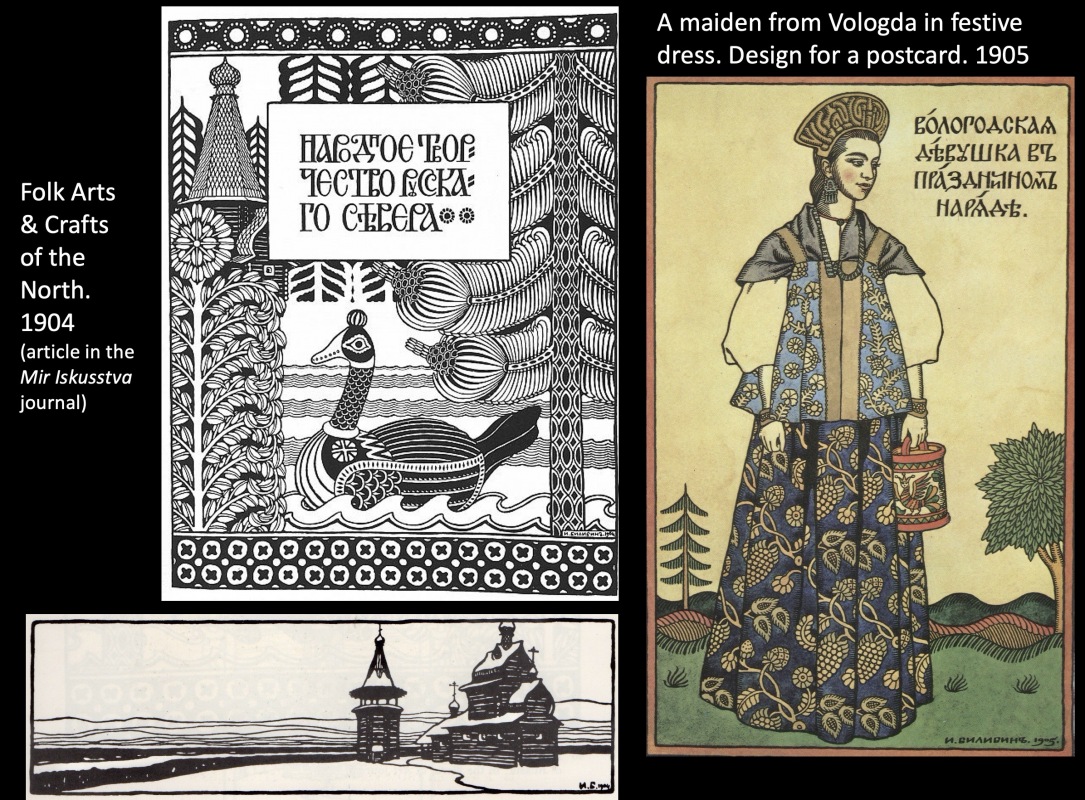
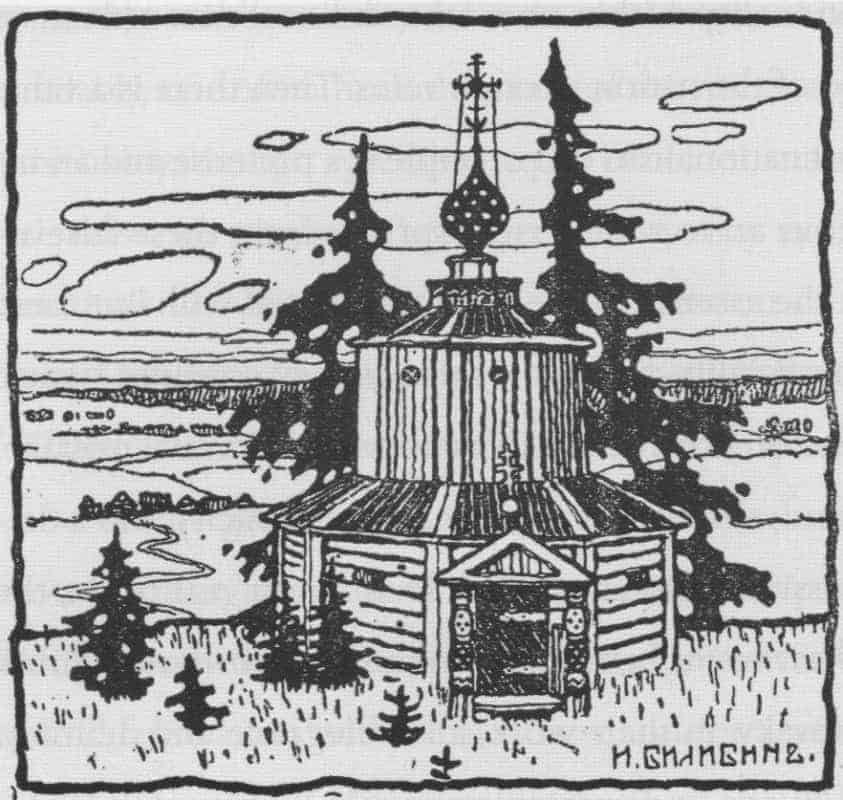
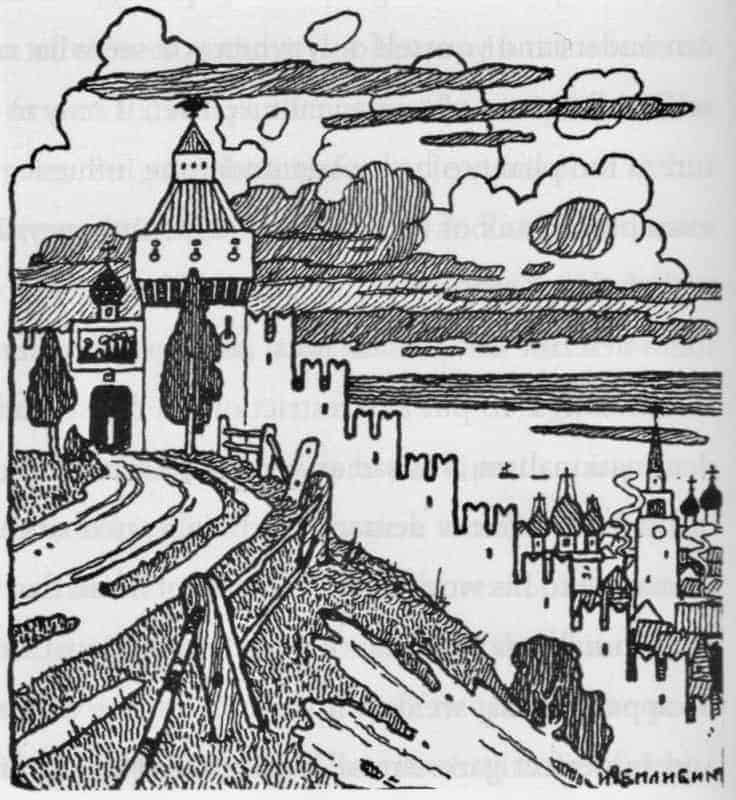
From a series of postcards of wooden architecture produced after Bilibin’s research trips to northern Russia, sold in aid of the Red Cross. 1904
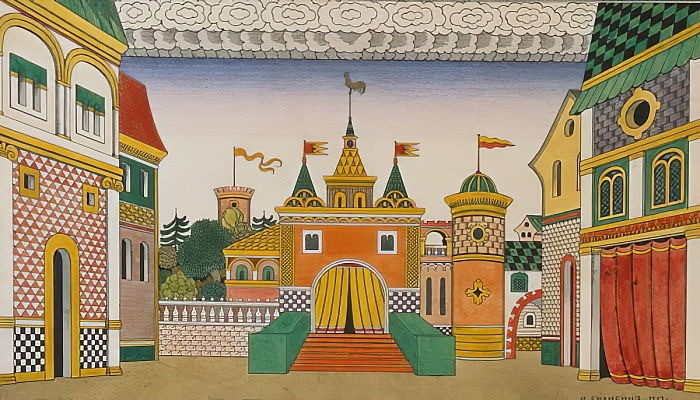
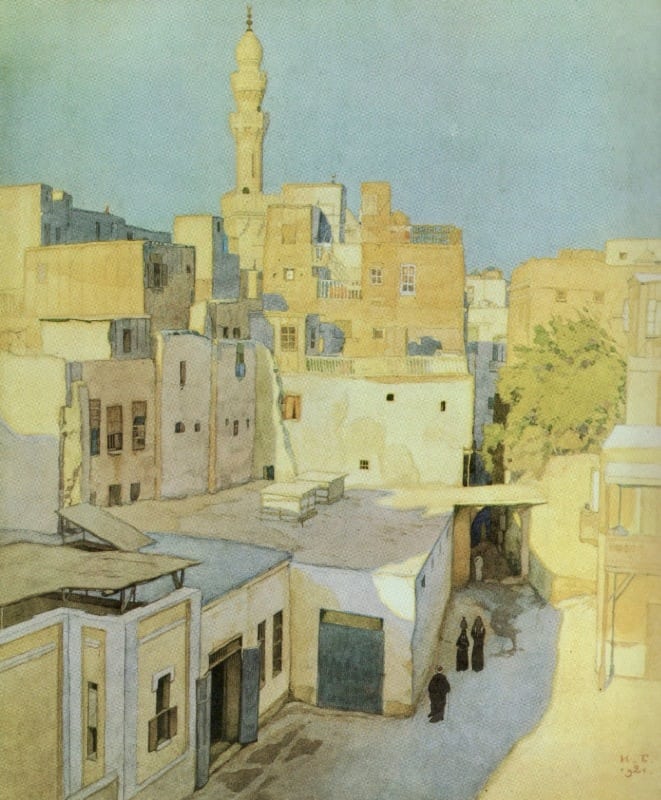
Bilibin designed for the theatre, both early in his career in Russia and later in Cairo and Paris.
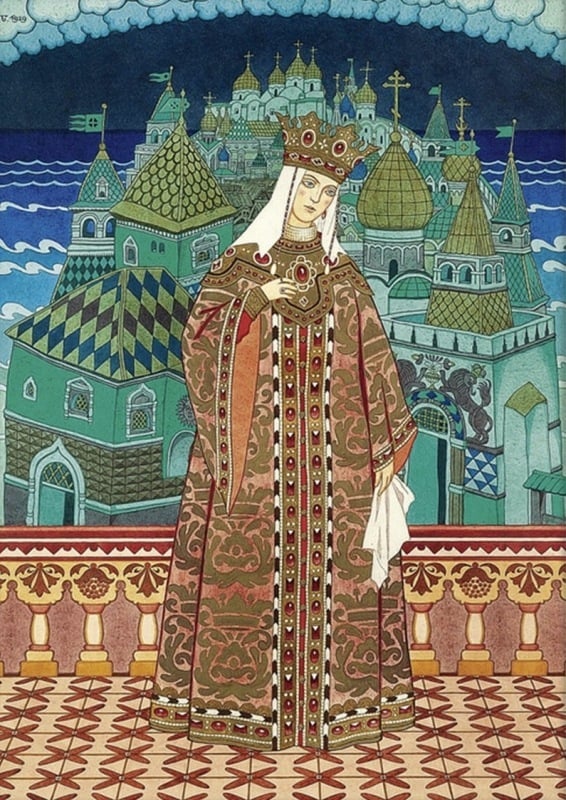
Costume for Militrissa. Rimsky-Korsakov’s opera ‘The Tale of Tsar Saltan’
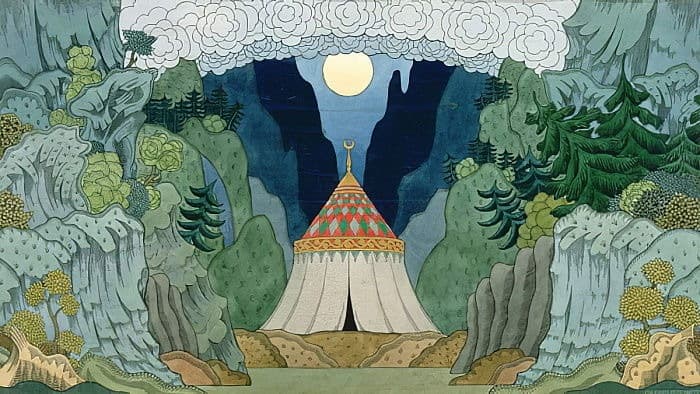
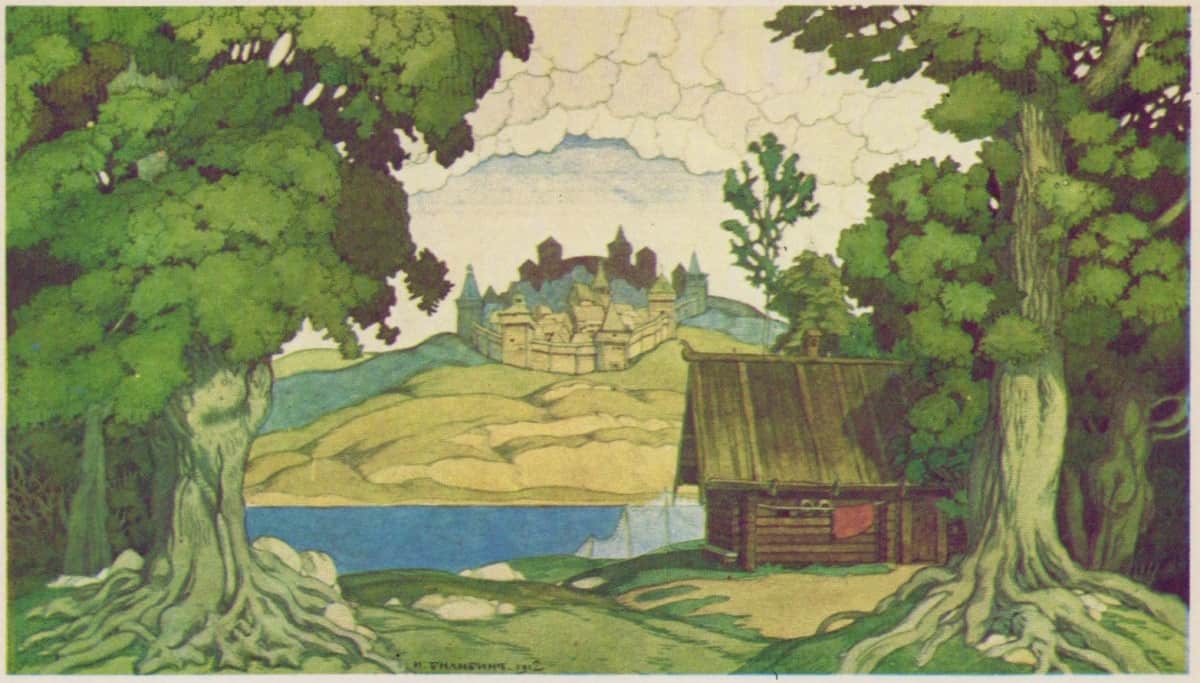
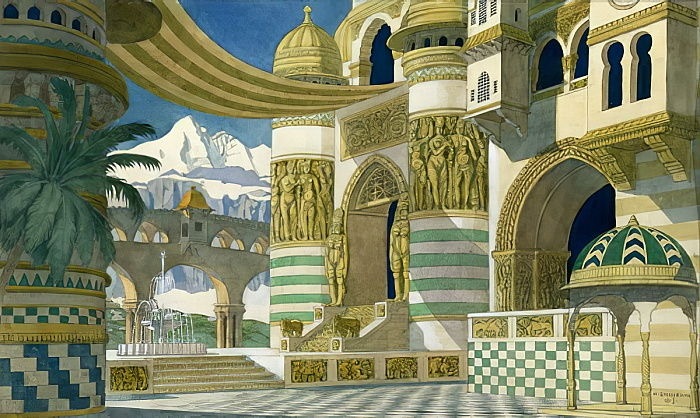
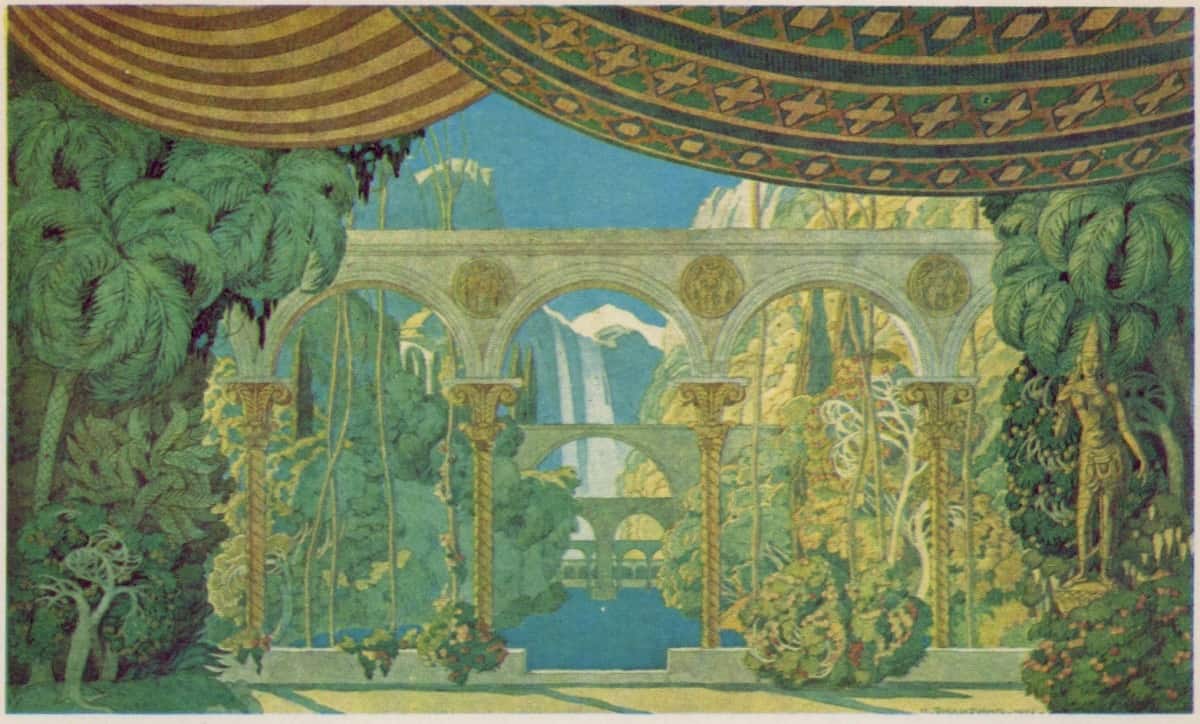
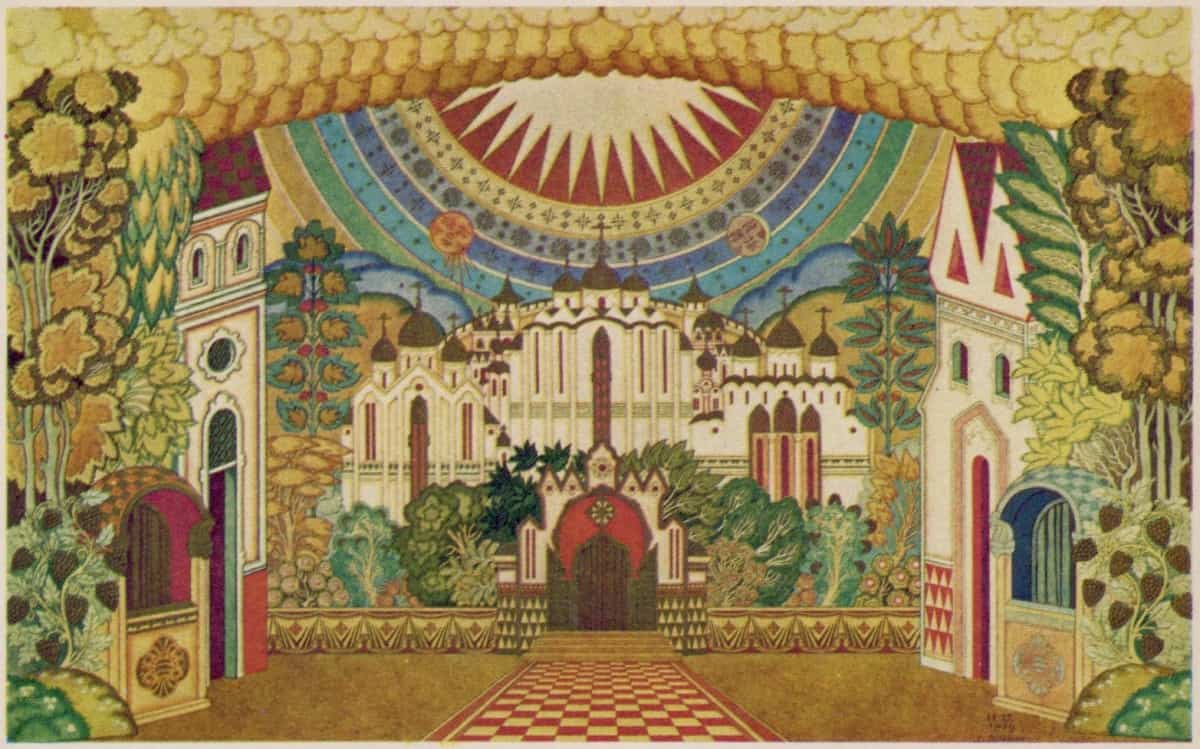


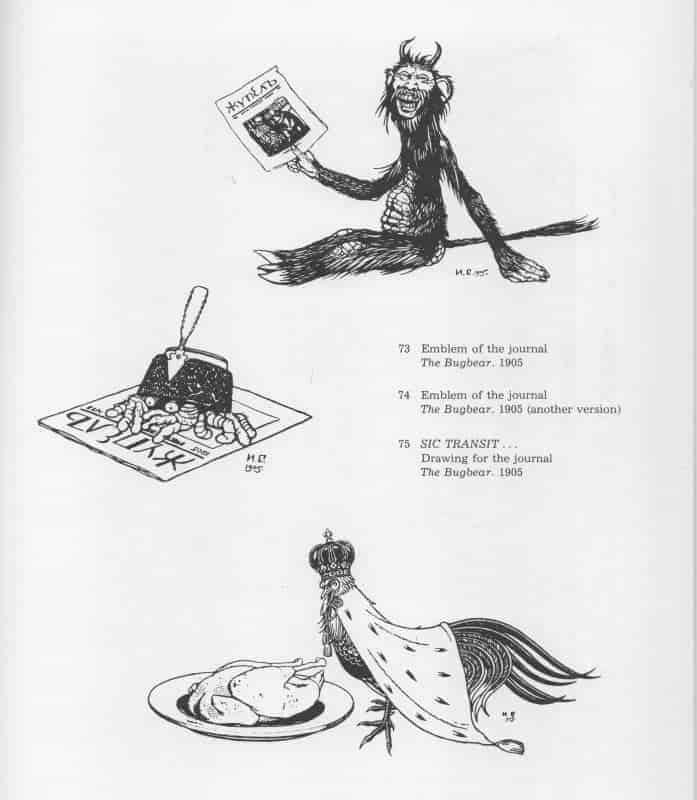
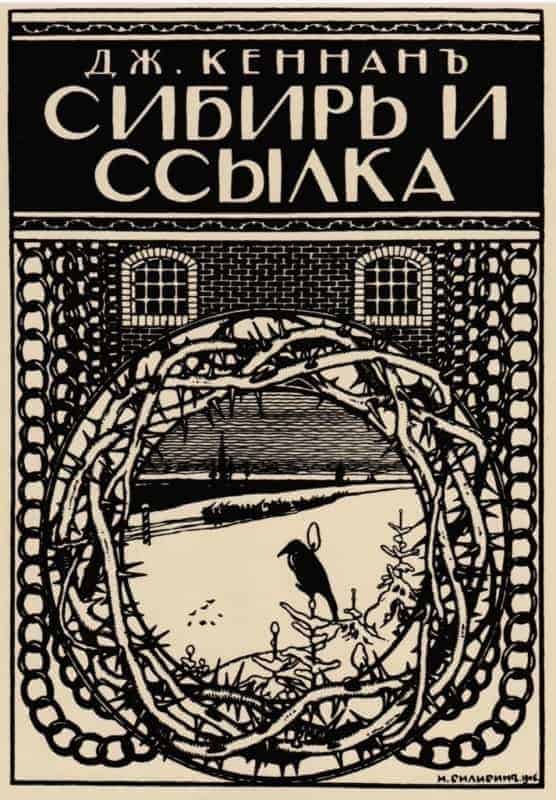

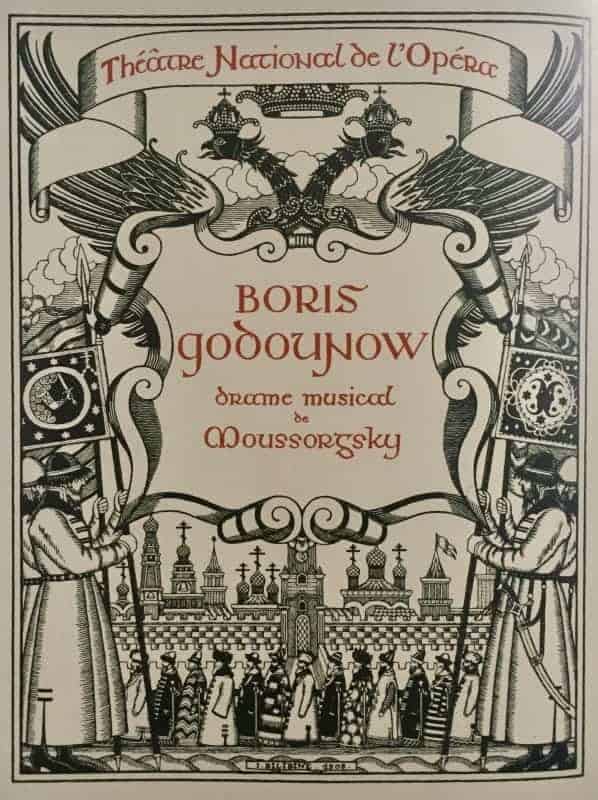

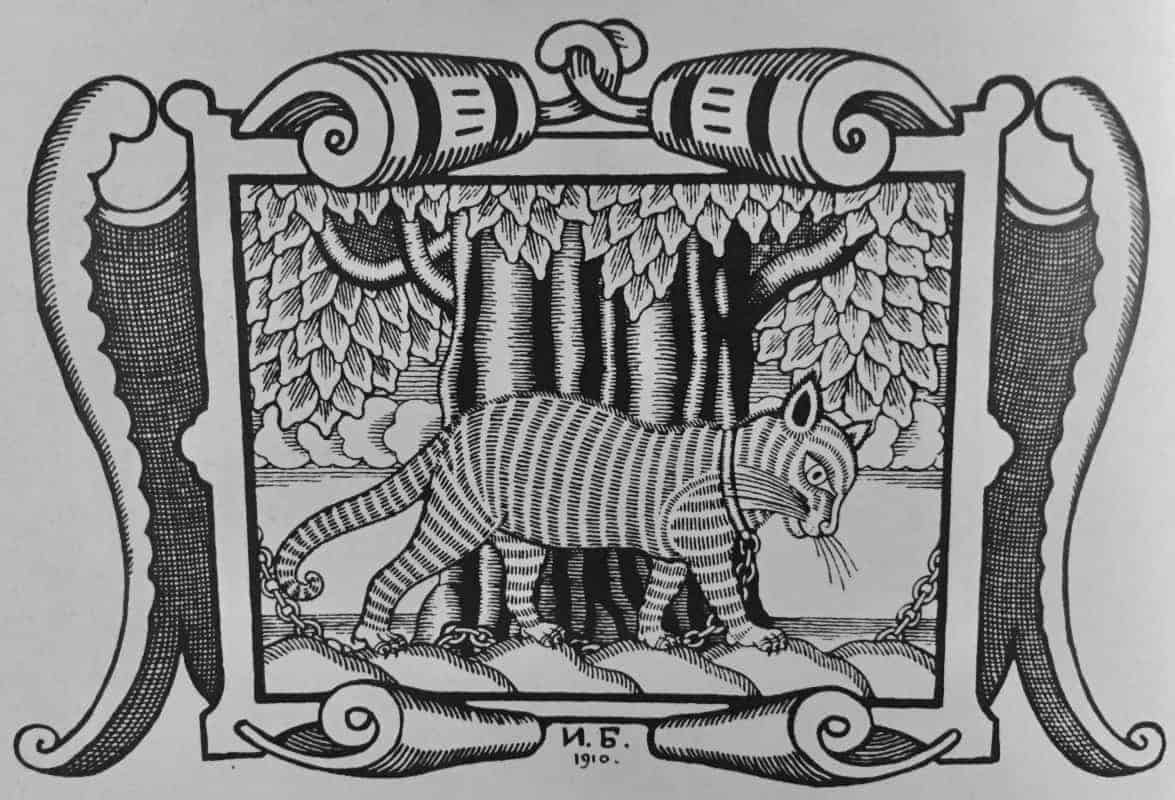
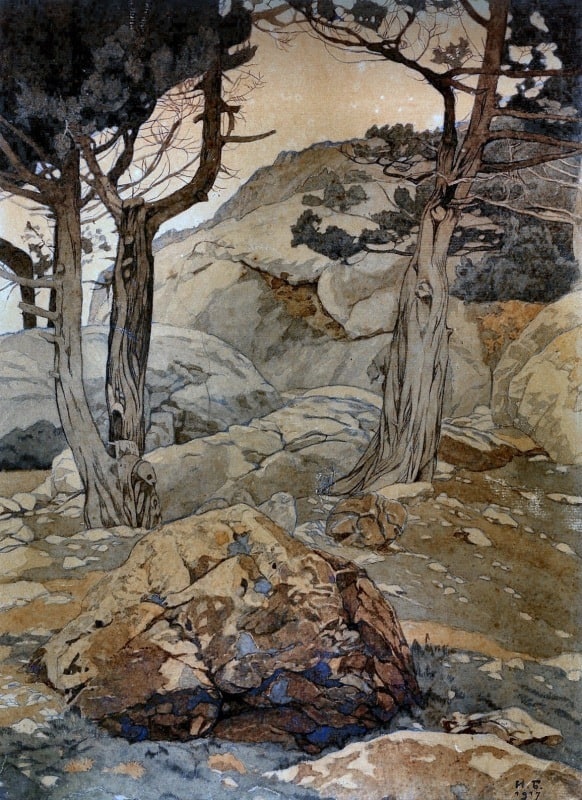
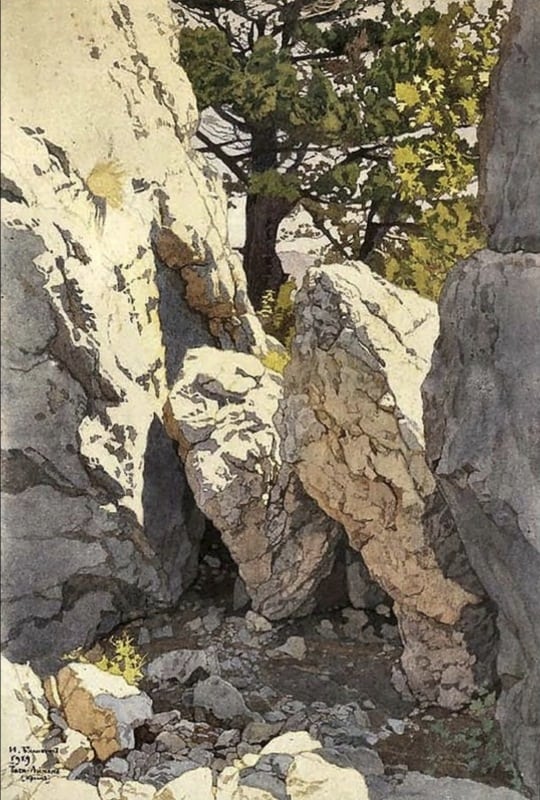
Crimean Landscape. 1917
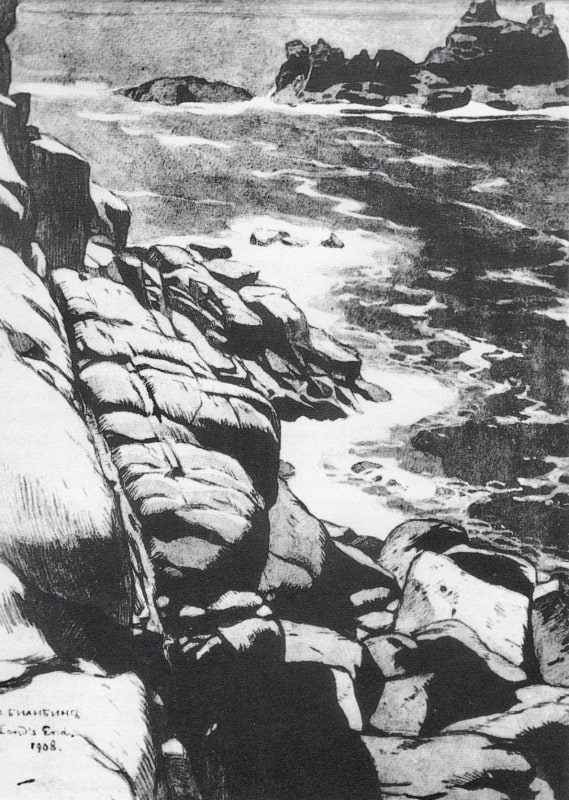
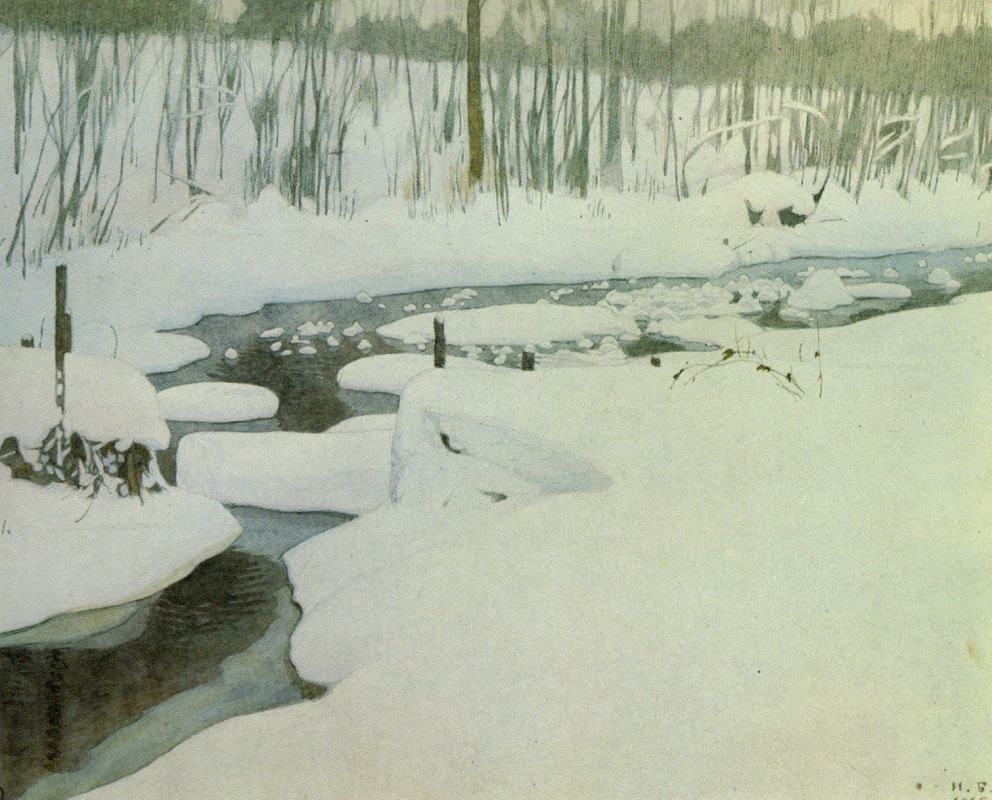
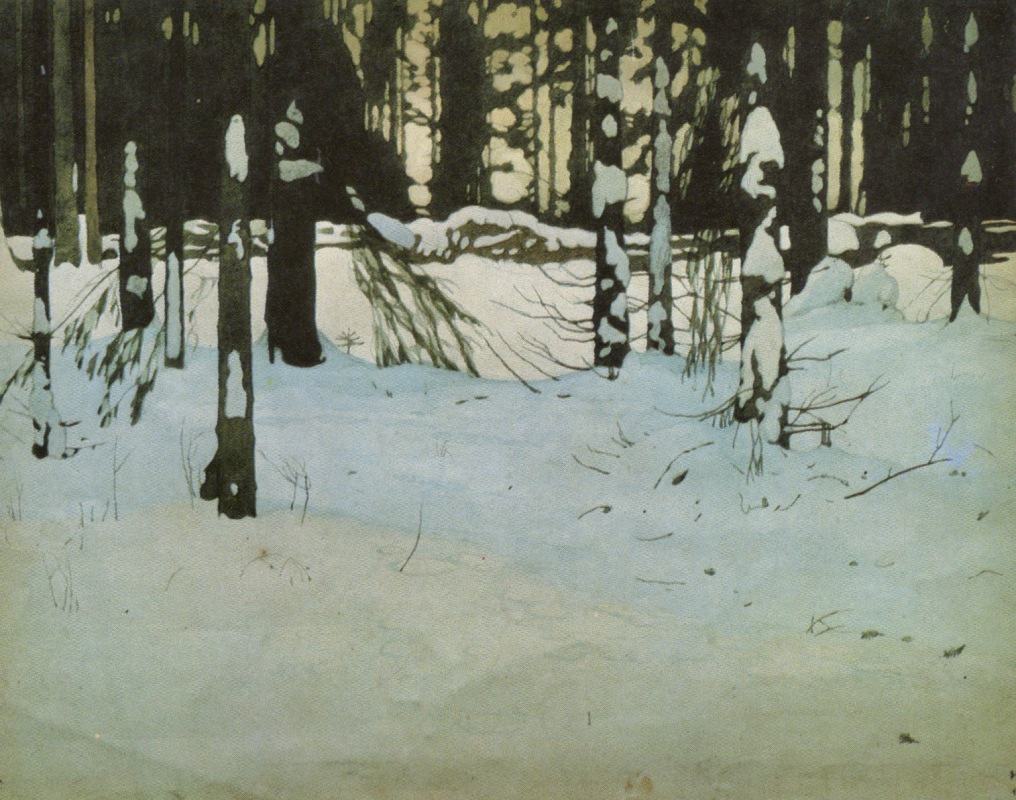
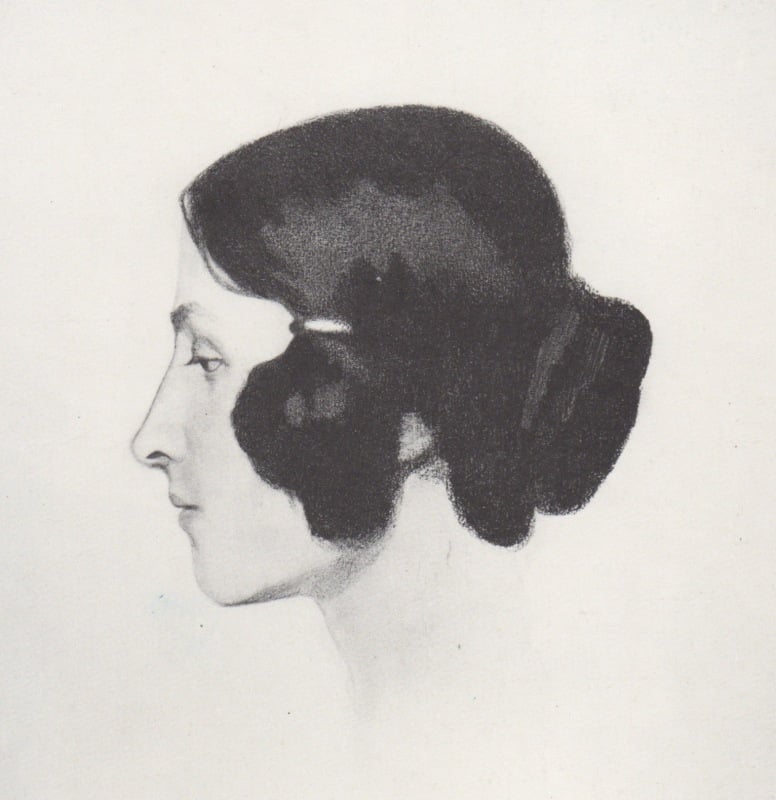
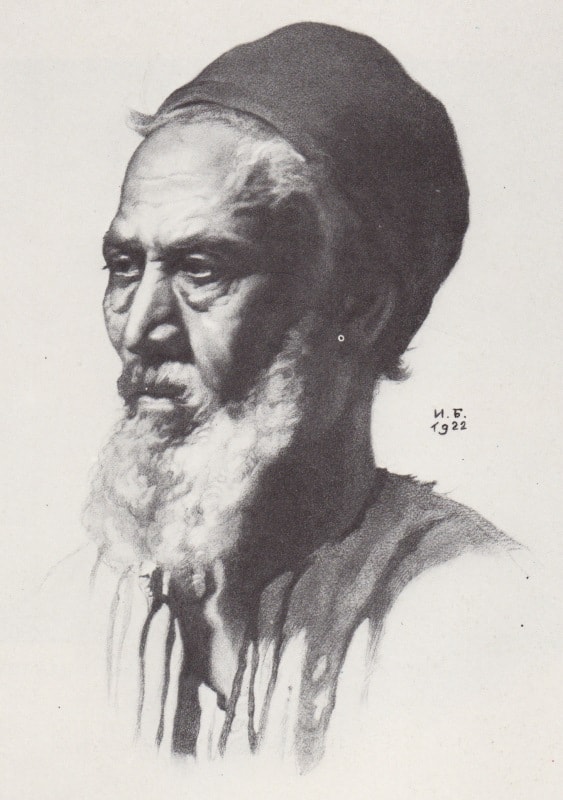
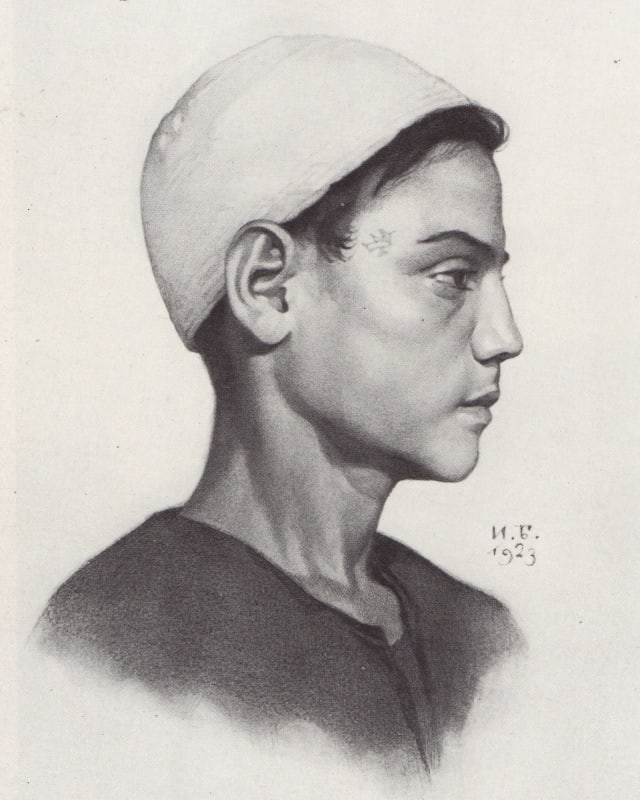
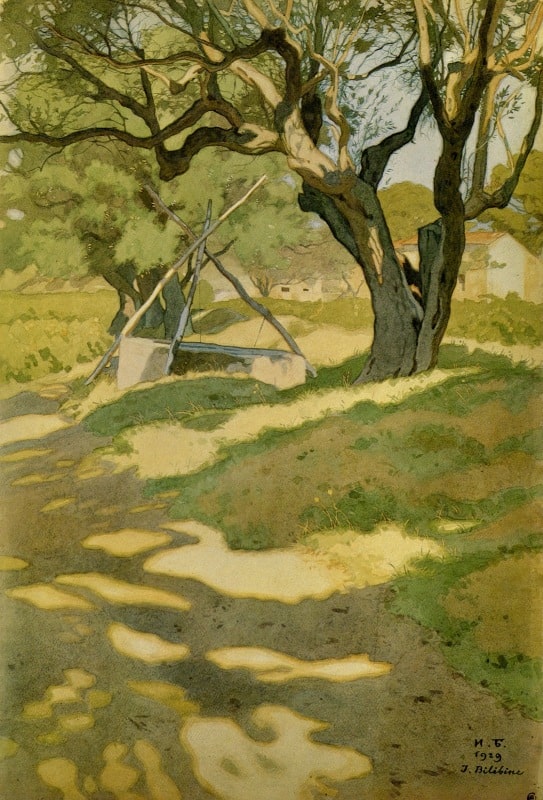
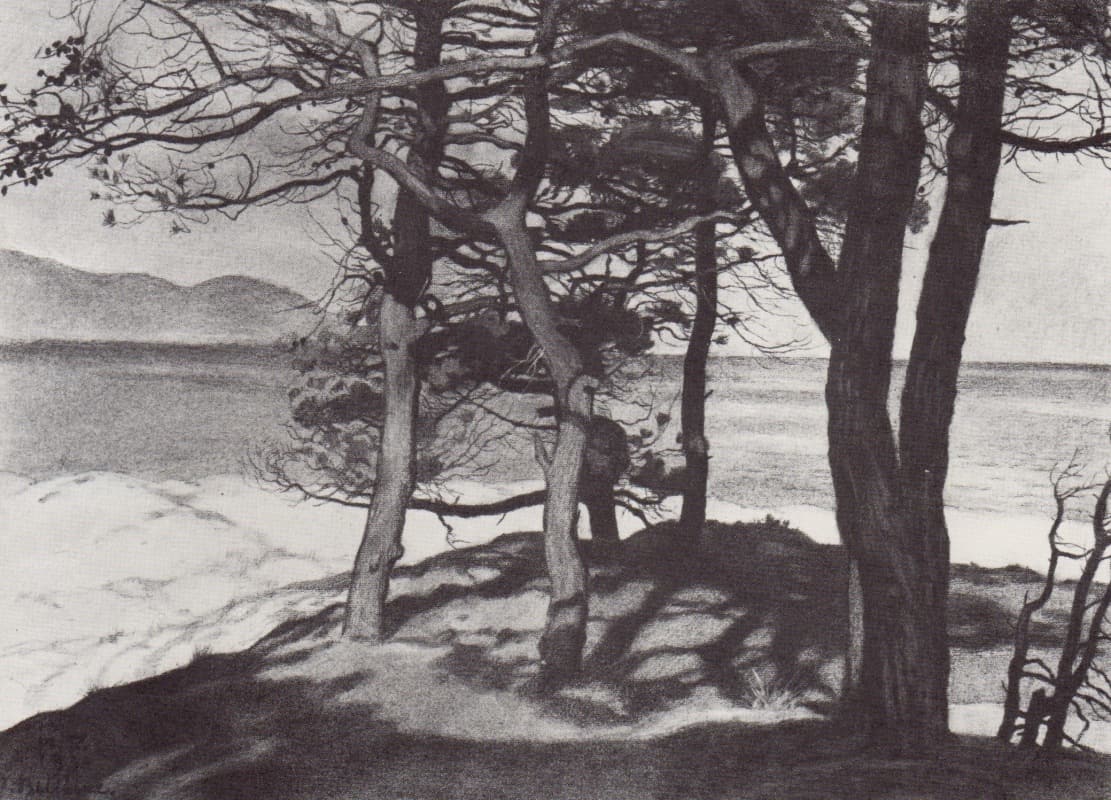
Bilibin received training in fine art in Munich and with Ilya Repin in St Petersburg. He became an accomplished painter and artist in oils, charcoal and other media, but these works are probably not so well known as his fairy tale illustrations. Those illustrations are, in fact, done in the most delicious watercolour. You can’t tell this by looking at the printed books, but some years ago I saw some of the originals in an exhibition at the Musée D’Orsay in Paris and was impressed by their subtlety.


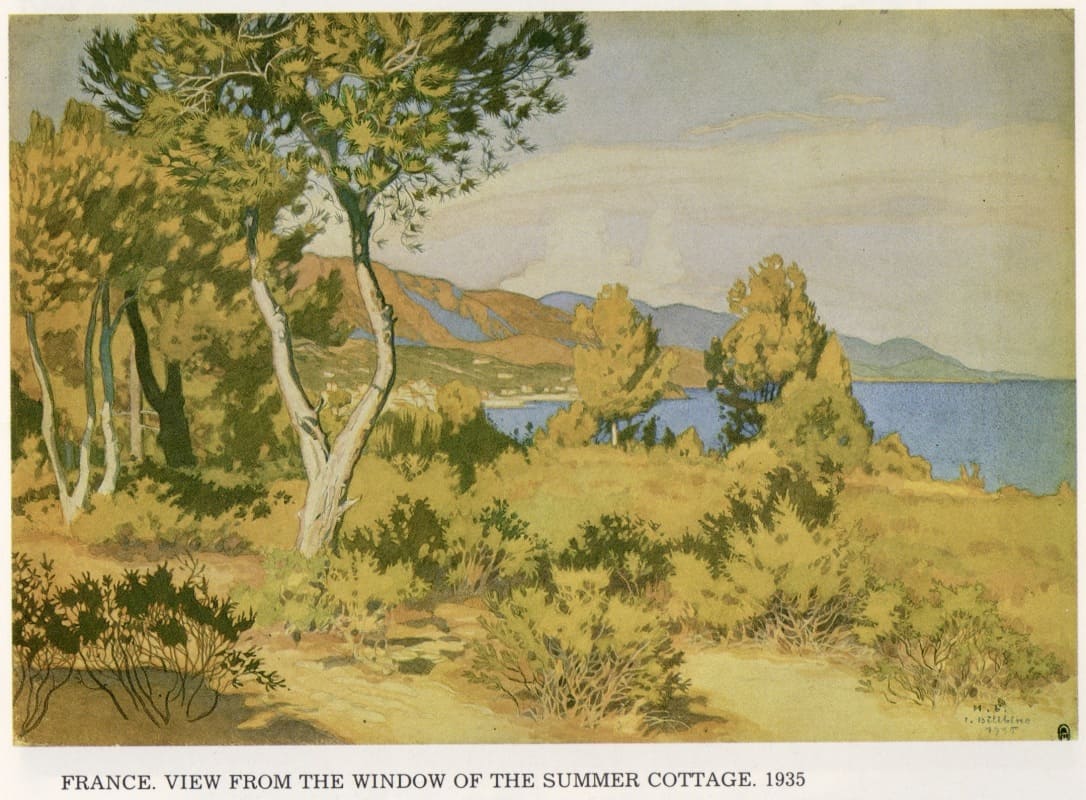
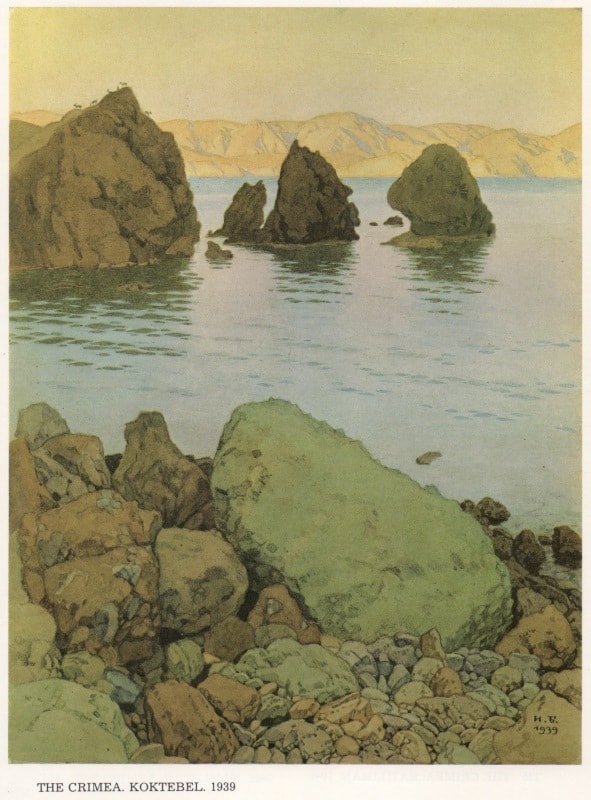
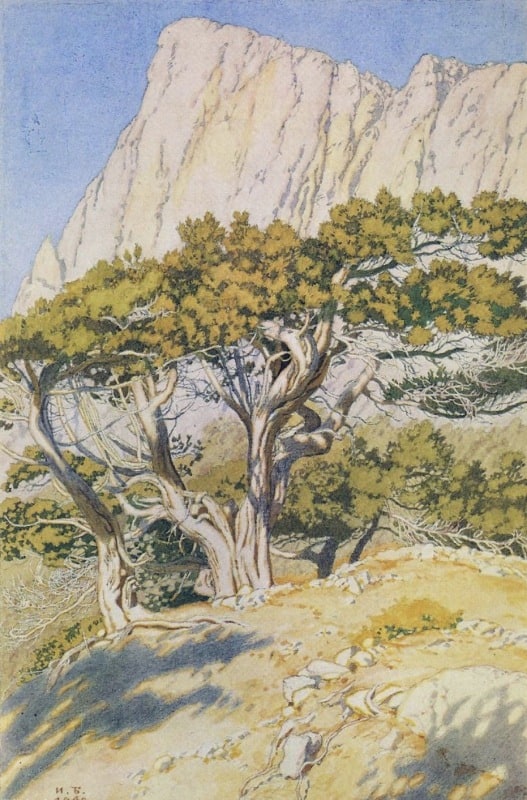
Letter to I Brodsky – April 1935:
‘For several years now I have dreamed of returning to my homeland and of working for my country in my speciality, with which you are well familiar…
Knowing that you head the Academy of Arts, and as an old colleague of yours, I ask for your help now. I do, I think, work energetically and more than I did before. I’m still in good health… It is above all morally difficult to live here in Europe, whose culture is in the grips of a crisis. I cannot become assimilated into another nation. I simply cannot take the citizenship of a country that is alien to me, as many of our colleagues have done. Instead of putting all my efforts into the cultural life of another country I would like to work for my own homeland’.
Description of the Artist’s Professional Life, September 1936 (Archives of the Academy of Arts):
‘Today a new period in my life begins, a period of Soviet artistic activity. I want to work here in the hope that my many years of experience in art will allow me to make my own contribution to the grandiose work being done in my great homeland’.
Autobiographical Notes, 1938:
‘In our time, we, the World of Art artists, laid the foundations for many things. Naturally, many mistakes were made, and there were many extremes, many things were unjust and demanded revision later, but the main merit of the World of Art was that it waged a campaign against complacency, against those moments when art becomes self-satisfied and begins to acquire, so to speak, a bourgeois paunch.
Now we have entered another age, an age of grandiose construction, when an entire people, from top to bottom, has been roused into action. The tasks facing the artist have become more complicated and multi-faceted.
Yesterday on the one hand we had the peaks of human artistic achievement, which were accessible to a chosen few, and on the other hand there were millions of others who were denied access to these peaks. It must now be the task of every artist, whatever his skill, to help these millions find their way to the peaks and thus to sample the delights which art can offer’.