Singer in Russia
17 September 2021
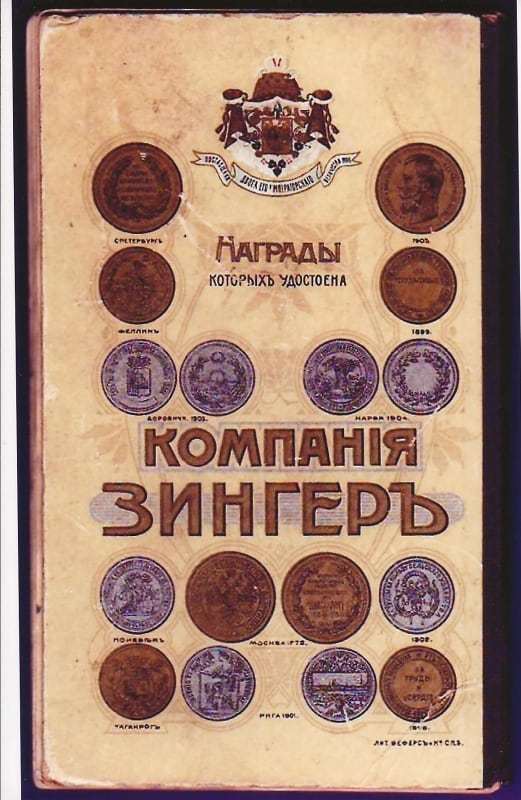
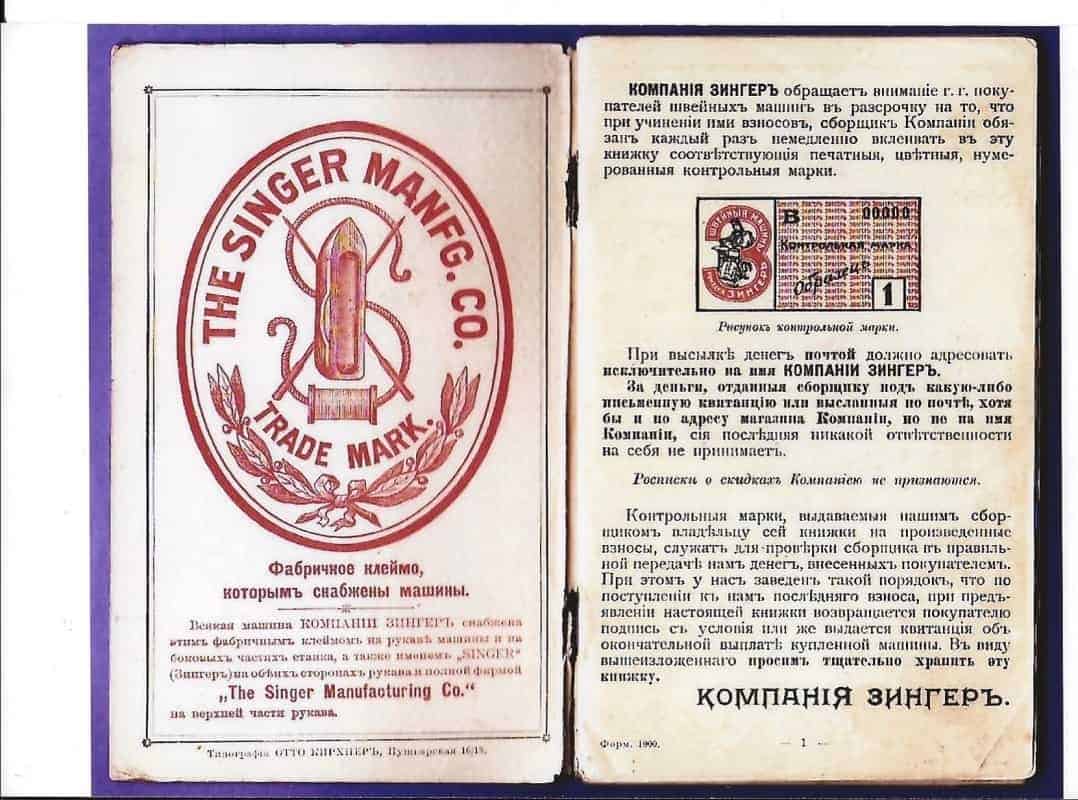
Originally the Singer Sewing Machine Company sold its machines in Russia through a number of agents based in Germany, but its presence in Russia was transformed when it established a factory in Podolsk, near Moscow, in 1900. This factory was intended to supply machines to the entire Russian Empire, as well as to Turkey, the Balkan countries, Persia, Japan and China.

The Podolsk factory followed the original mass-manufacturing works established in the USA and Scotland:
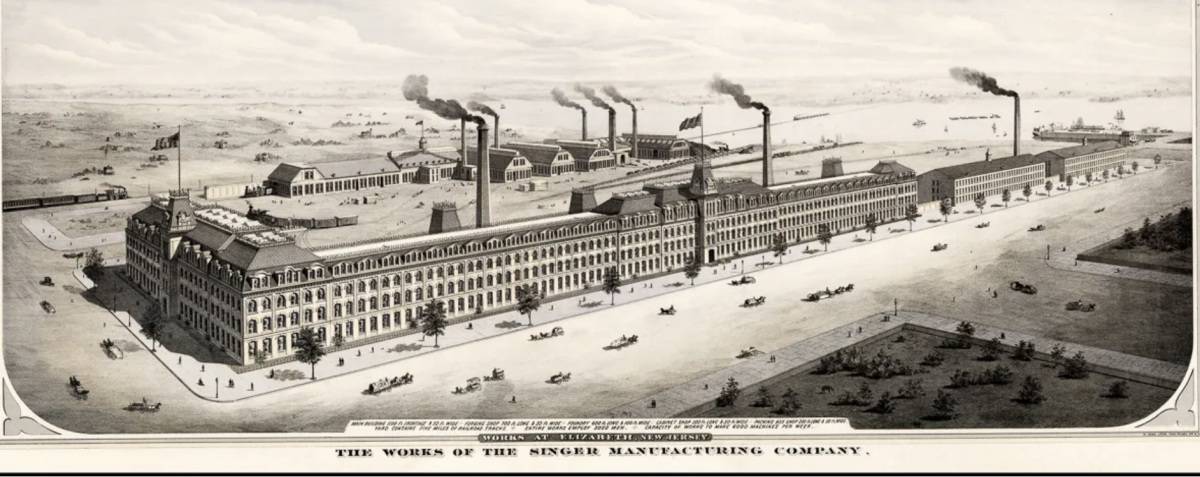
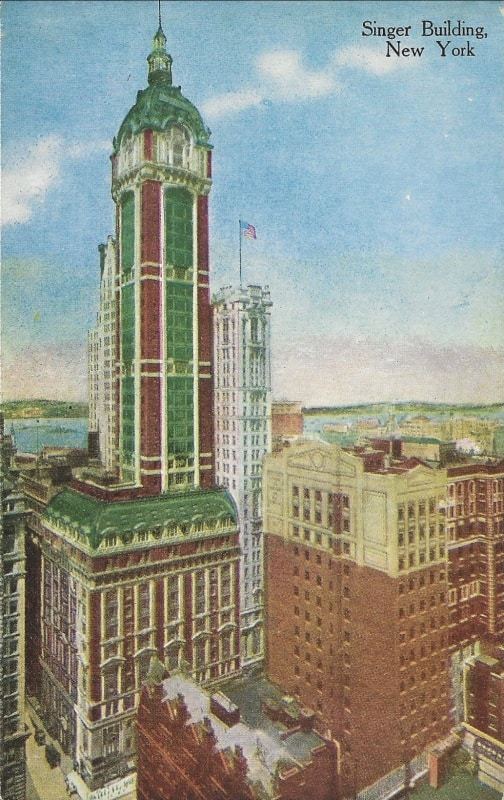

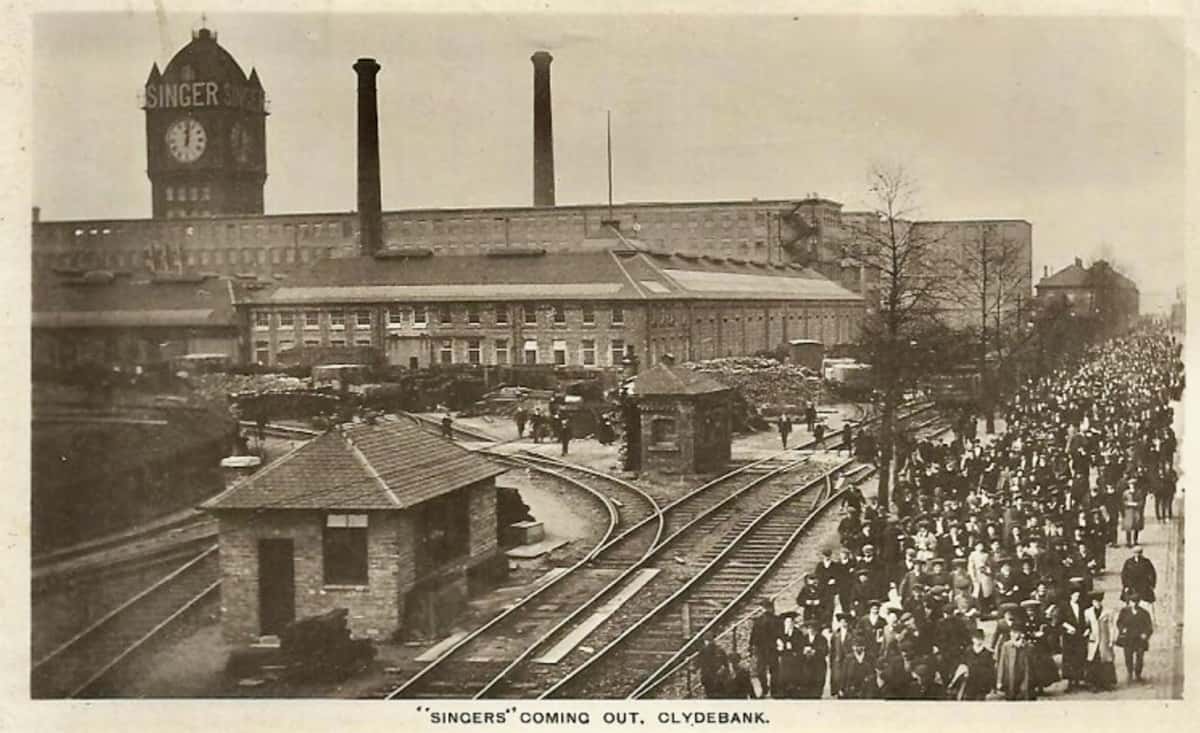
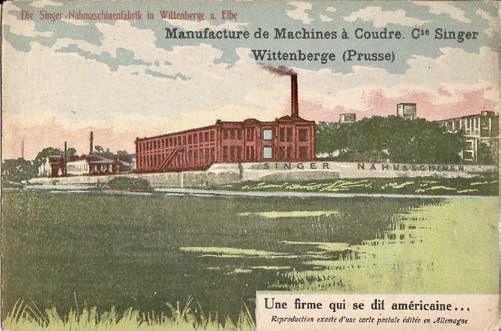


The sewing machine factory closed around 2000, but now a sculpture outside the museum in Podolsk commemorates the town’s most famous product.


The Singer Building in St Petersburg:
One of the most distinctive edifices in St Petersburg is the Singer building on Nevsky Prospekt. The company bought the plot of land in 1902. The globe on the top references the company’s worldwide reach, of which it was so proud. It has wonderful Art Nouveau details, inside and out. In 1938, when the building was no longer in Singer’s hands, a huge Dom Knigi bookshop was established there, these days including the attractive Cafe Singer. Information about the history of the building can be found here.


Singer had showrooms in many towns and cities throughout Russia, including this one in Novgorod:
 And at 10 Zagorodny Prospekt in St Petersburg. This picture, taken in 1904, shows ‘live advertising’ – ie a woman sitting in the shop window operating a Singer machine.


As on the 1892 ‘Costumes of the World‘ set shown in my previous post, the text on this card from 1903 describes the dress and characteristics of the people:
“Russia, the most extensive empire ever established, stretches from a land in the south where the vine and fig flourish, to the barren, frozen plains of the Arctic region; it is peopled by more different races than any other nation. The original tribes, the true Slavs, are physically the nearest to perfection of any people. Three widely distinct classes exist: the nobles, the burghers or townsfolk, and the peasants. Among such a diversity of races and social conditions the costumes are necessarily very different. The photograph shows a travelling salesman, clad in the loose, flowing priestly robe largely worn by men of the middle class in Central European Russia, explaining to a customer the use of a Singer sewing machine. The woman wears the indoor costume of the women of Novgorod, a long, loose, richly embroidered robe over which is a long, open, sleeveless jacket. Her gold beads and sequins are considered family heirlooms.
Singer sewing machines are distributed throughout the vast Russian Empire, and Singer offices are found in every town of any importance. Thus, this product of American genius is bringing the women of the whole world into one universal kinship and sisterhood.”
I would say that ‘three widely distinct classes exist’ is too simplistic and anachronistic a statement to apply to Russian society in the early 20th century. And the description of the dress of both the man and the woman is mystifying (ie downright wrong!). The man’s cap suggests to me that he is a Muslim, and his robes indicate he is not an ethnic Russian. Perhaps he is a Tatar or from one of the other minority groups who lived along the lower Volga or in the Crimea. Details of the woman’s dress are hard to make out but it seems to be a fanciful concoction. Neither the picture nor the description fit with the style of dress of the Novgorod region in northern European Russia. Gold and silver jewellery, particularly pieces made from coins, were a feature of the festive dress of the Muslim minorities.


This pleasing scene appears to be set in the 17th century, going by the men’s dress and the interior (though, needless to say, not by the presence of the sewing machine…)
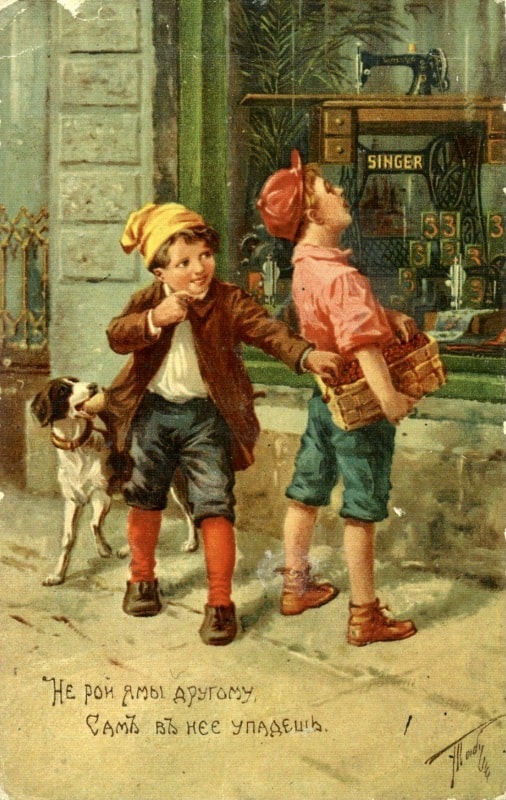
Singer trade cards produced in Russia itself included sentimental scenes such as these:


The reverse of the card above – sent from Estonia, wishing a friend a happy New Year in 1914. It makes you think about what lay just ahead…

This long article about the history of Singer in Russia is particularly interesting, I think, about the company’s advertising strategy and charitable works up to and during the First World War.
From early on in their operations world-wide, Singer had provided free classes for home sewers who bought their machines. It appears that these continued under Singer’s own name in the Baltic states, after the manufacture and branding of machines had been taken away from Singer in the Soviet Union.
 In Estonia – the sign at the front promotes the free classes
The next three images are from Latvia (1930s?):


The joy of sewing!
