Variations on ‘Sadko’
17 August 2021
Being so famous in Russian culture, the story of Sadko can be found in many different forms of decorative, fine and performance art. The painter Ilya Repin created this atmospheric image of Sadko watching the procession of the Sea King’s daughters.
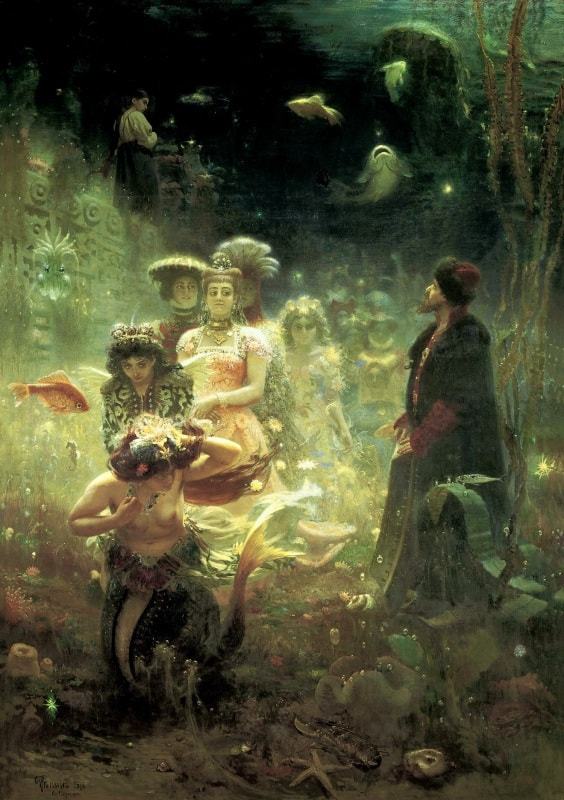
Sadko in the Underwater Kingdom. Ilya Repin. 1876 (State Russian Museum, St Petersburg)
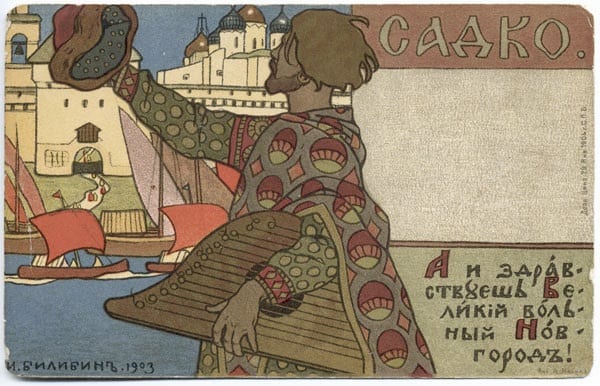
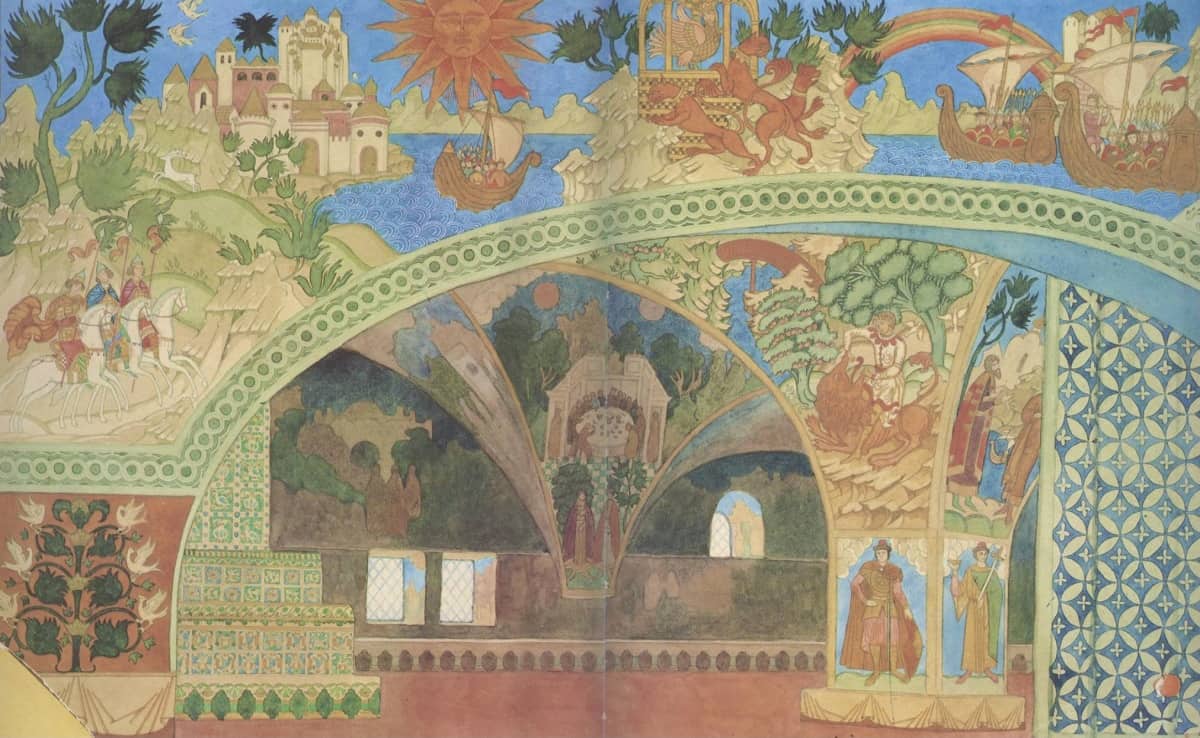
Here Sadko features on a postcard from a series of images by Ivan Bilibin, taken from the byliny (epic poems). 1903. Below is a set design for Rimsky Korsakov’s opera, also by Bilibin, showing the shore of Lake Ilmen.

Set designs for ‘Sadko’


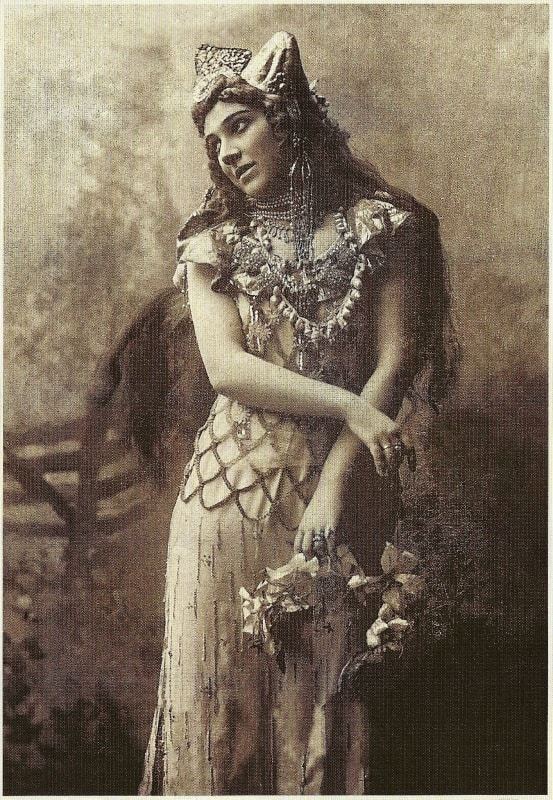
Nadezhda Zabela-Vrubel as Princess Volkova in Rimsky-Korsakov’s opera Sadko. 1899

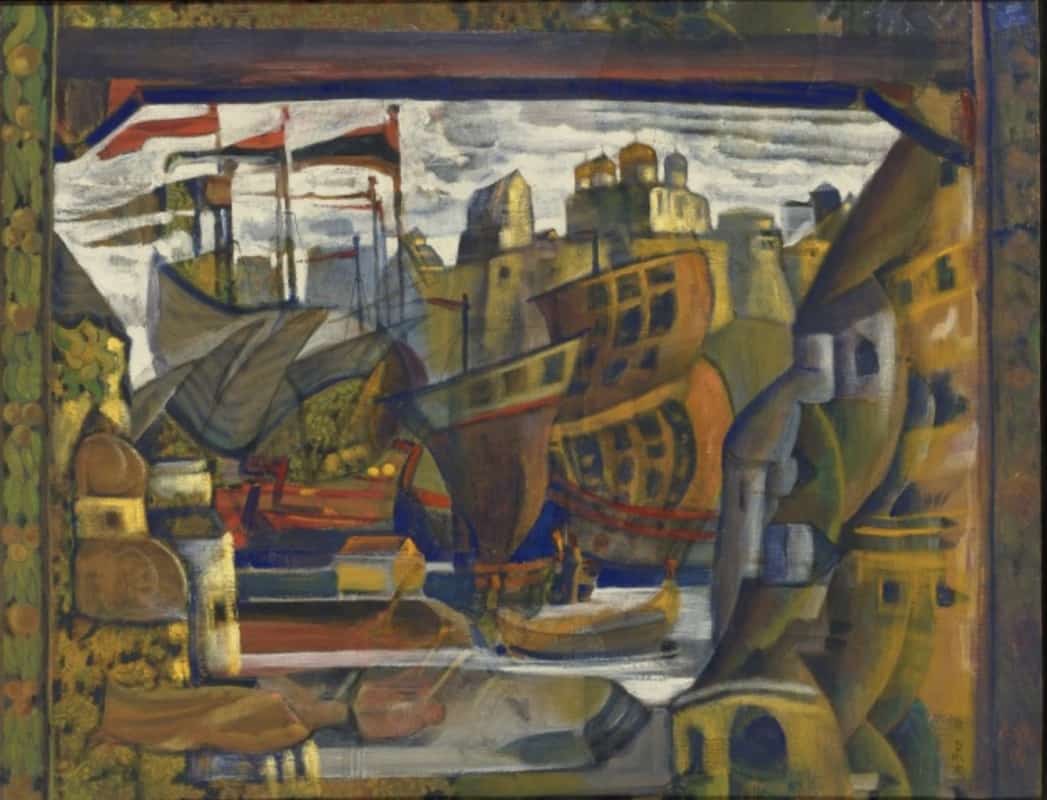
Watercolour sketches by Vrubel. 1897 and 1898

Vrubel also created ceramic works based on the story.
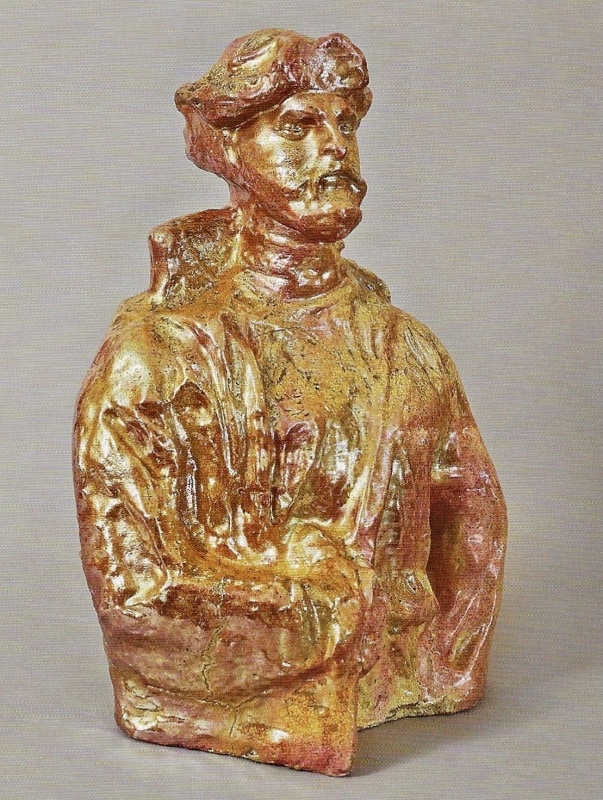
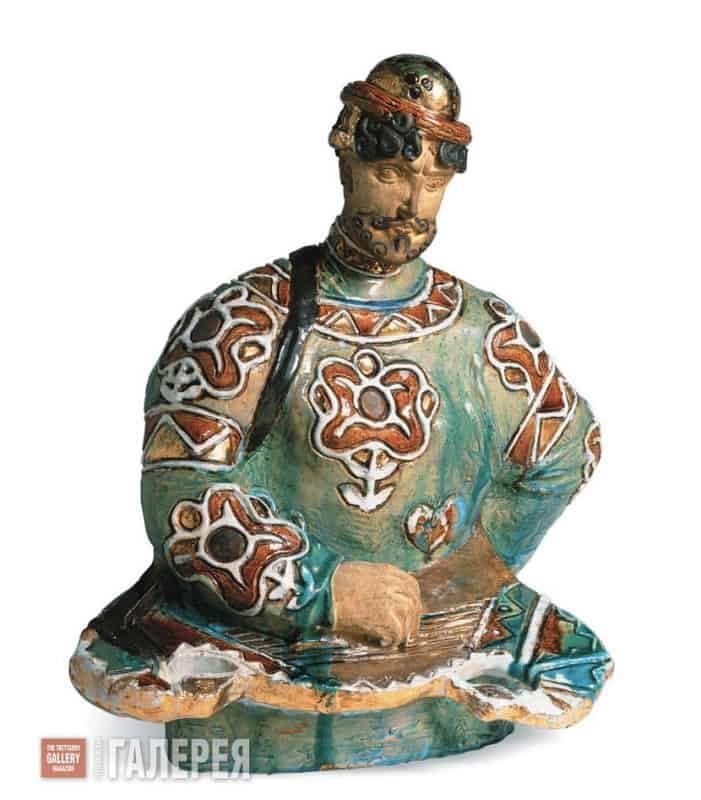

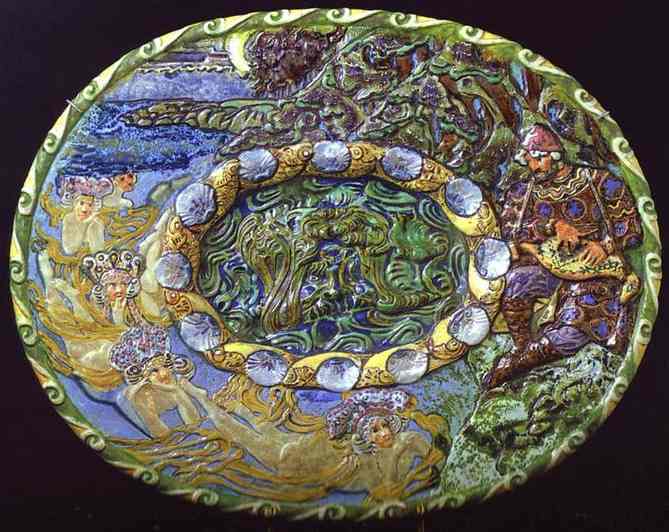

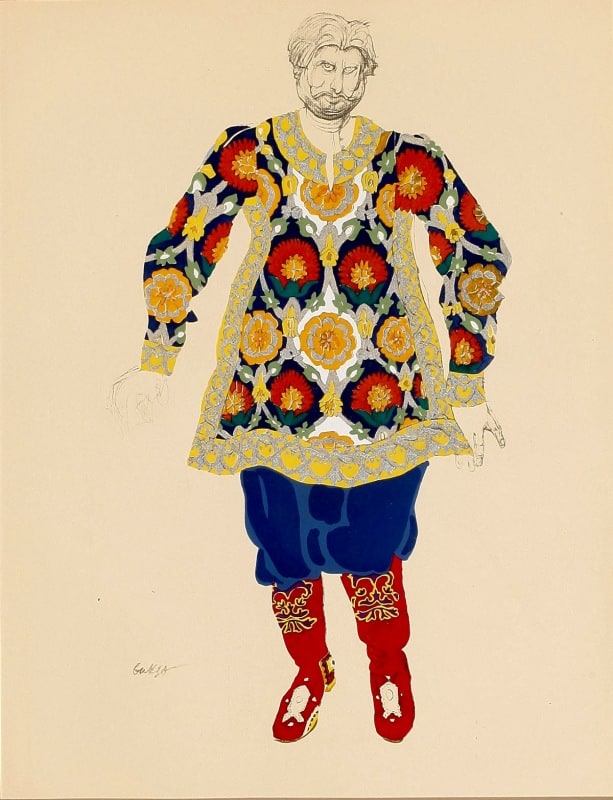
Costume for Sadko
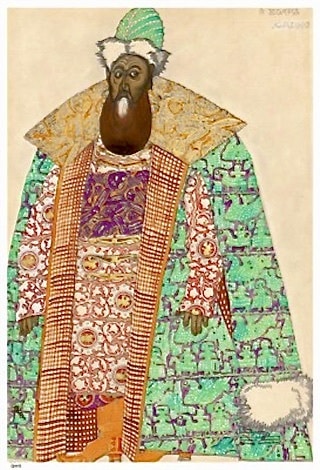
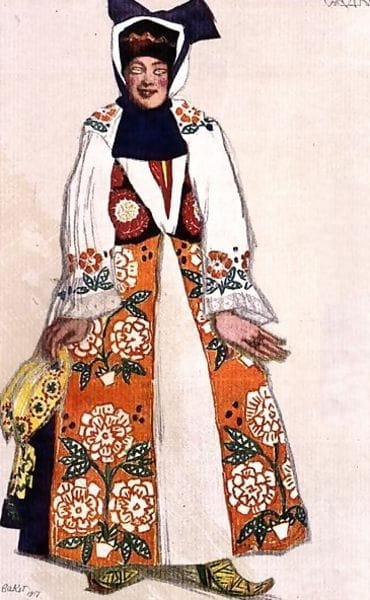
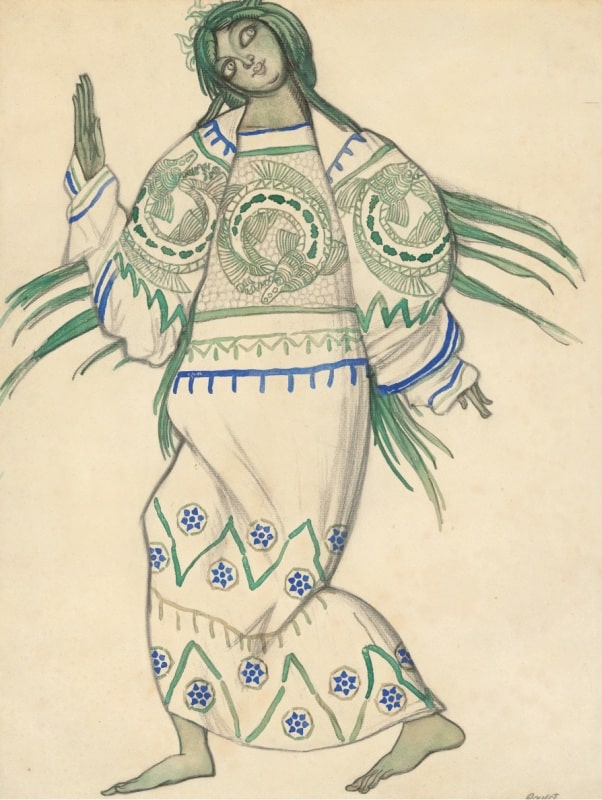


Diaghilev’s Ballets Russes created a ballet from the Underwater Kingdom scene of the opera. The performance made a favourable impression on audiences at the London Coliseum in 1918. In The Observer of 3 November 1918 the reviewer described how, when Sadko played, the ‘finny Court had to dance to it. How oddly, how madly, how waterily, they jigged! There was the great Sea-King himself, with his huge green beard and his splendid robes and crown, bobbing it up and down and round and round. And there were all the watery people flopping it and twirling it and flapping it to the mad music of the harper. And the colours as they danced were just as sheeny and strange and under-watery and lovely as could be. It is a fascinating little ballet, at once comical and exquisite.’
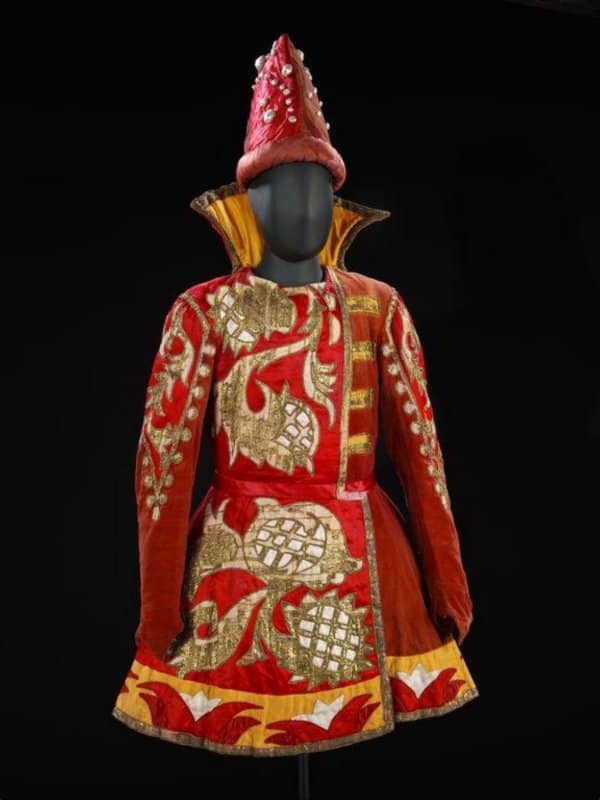

Costume worn by Adolf Bolm as Sadko. Designed by Natalia Goncharova. (V&A)
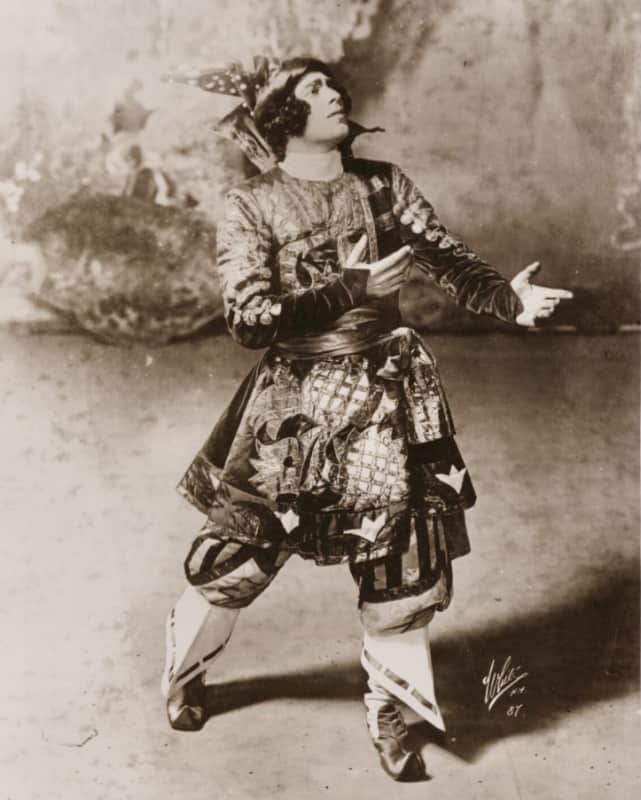
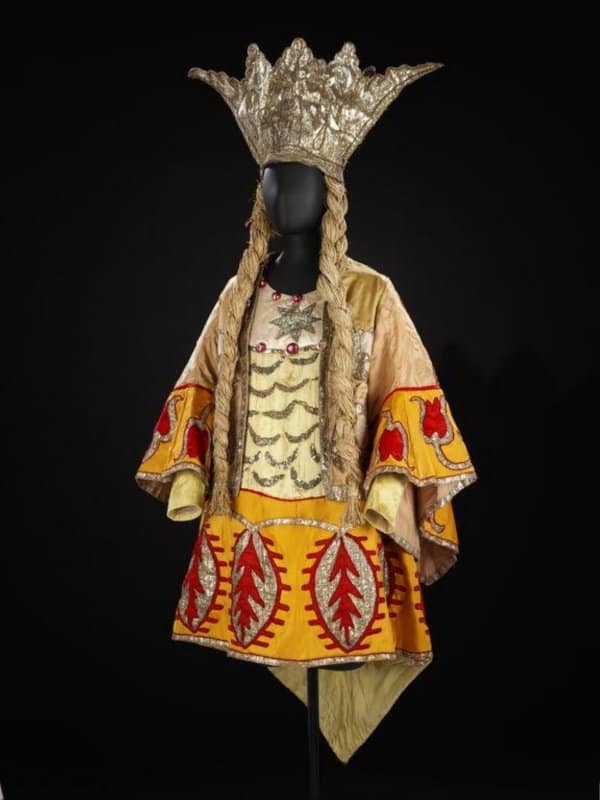

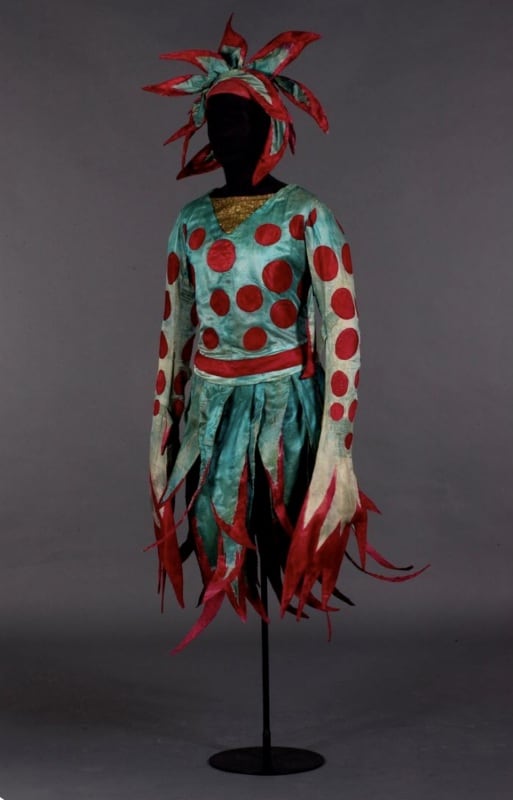

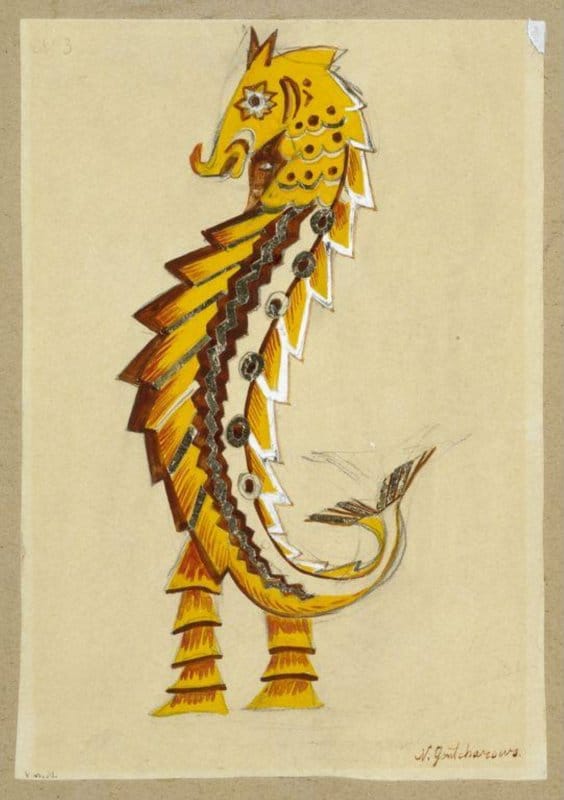
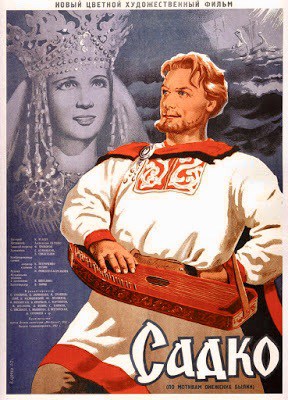
You can also find the 1952 film of ‘Sadko‘ on You Tube.
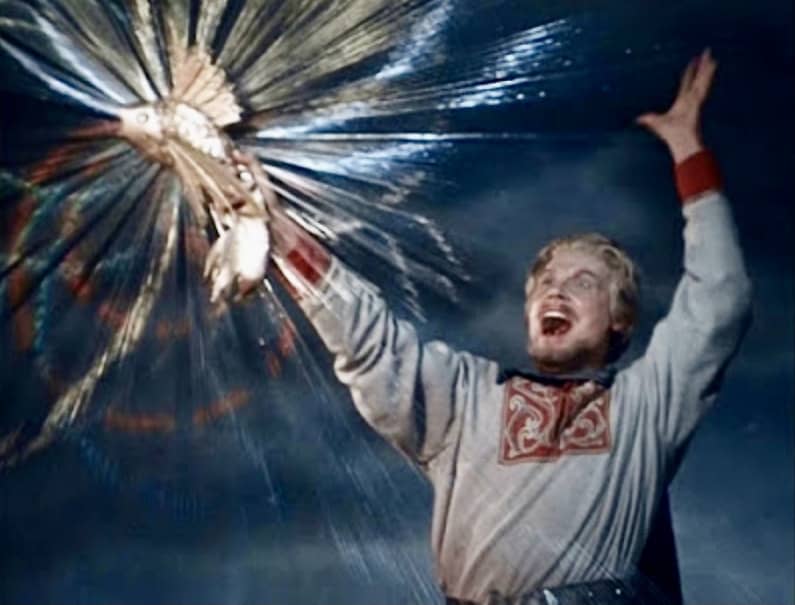
In the 20th century artists engaged in lacquer miniature painting frequently depicted the story of Sadko. Here are a few examples:

Sadko holds up a golden fish. Design created in Palekh, reproduced on a ceramic plate

In the Underwater Kingdom (detail). Lacquer box. 1948. Mstera

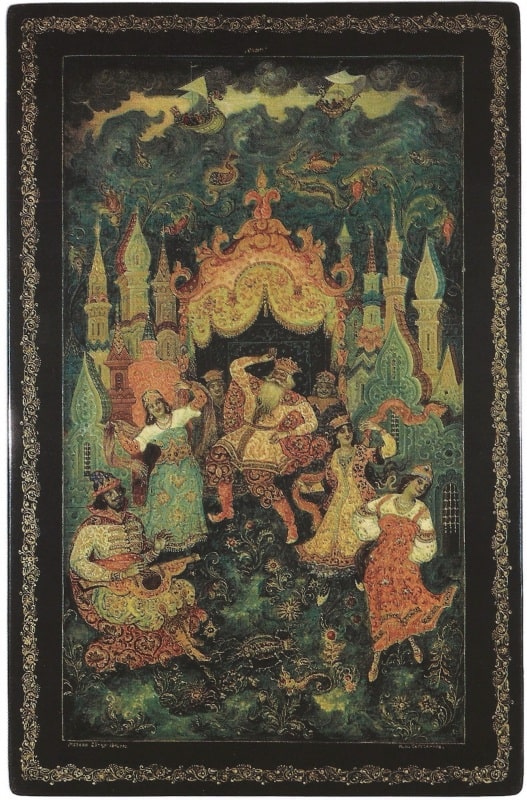


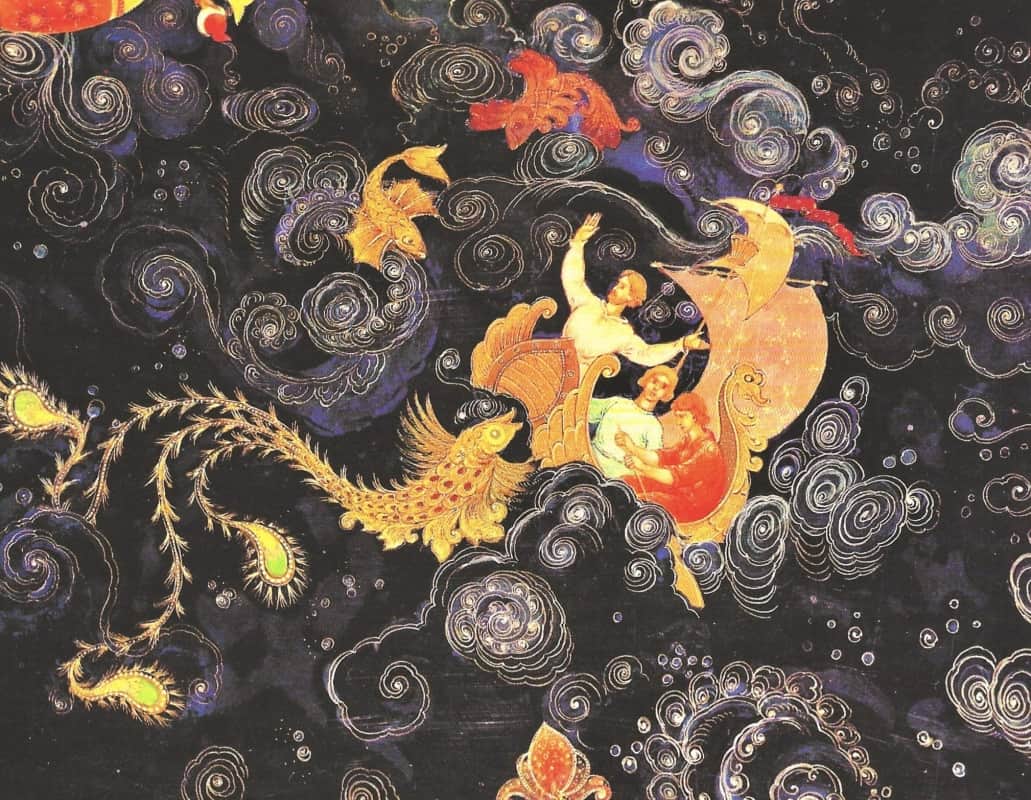
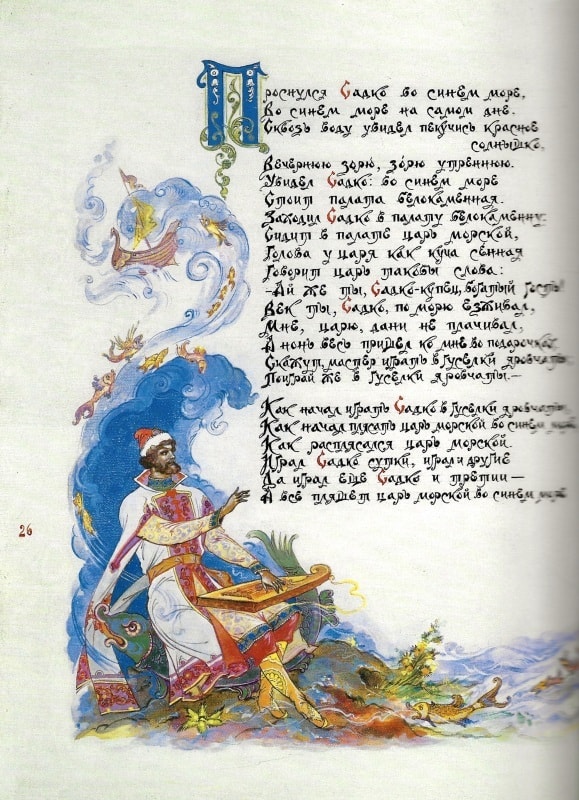
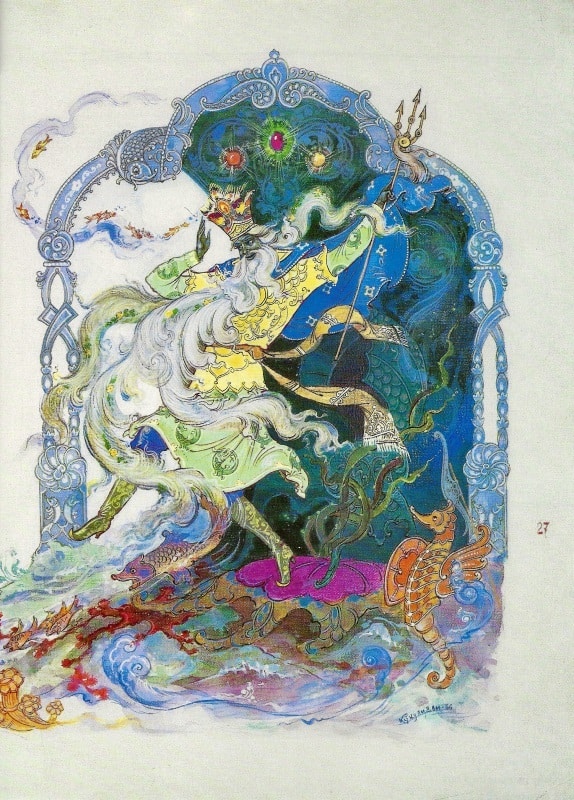
Illustration. Tempera on primed cardboard. 1966. Palekh