Kuldīga & Ventspils – two Latvian towns
11 July 2021

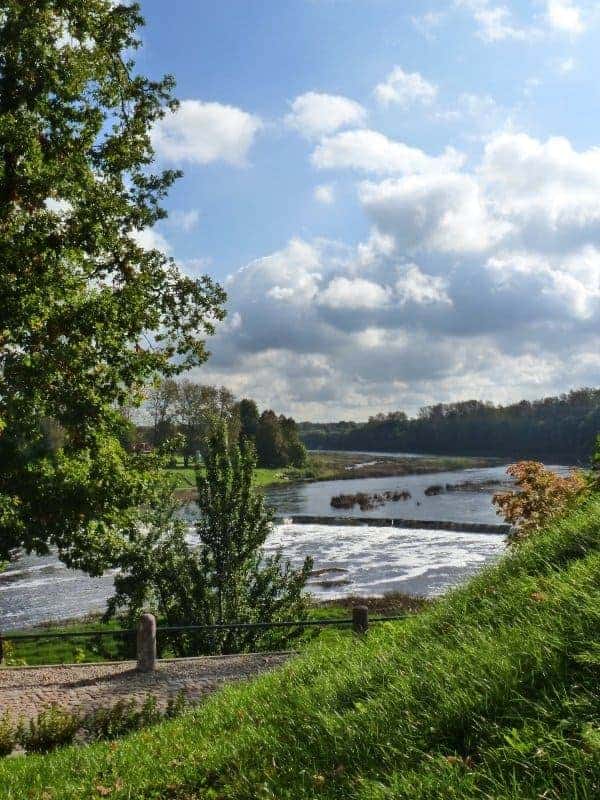
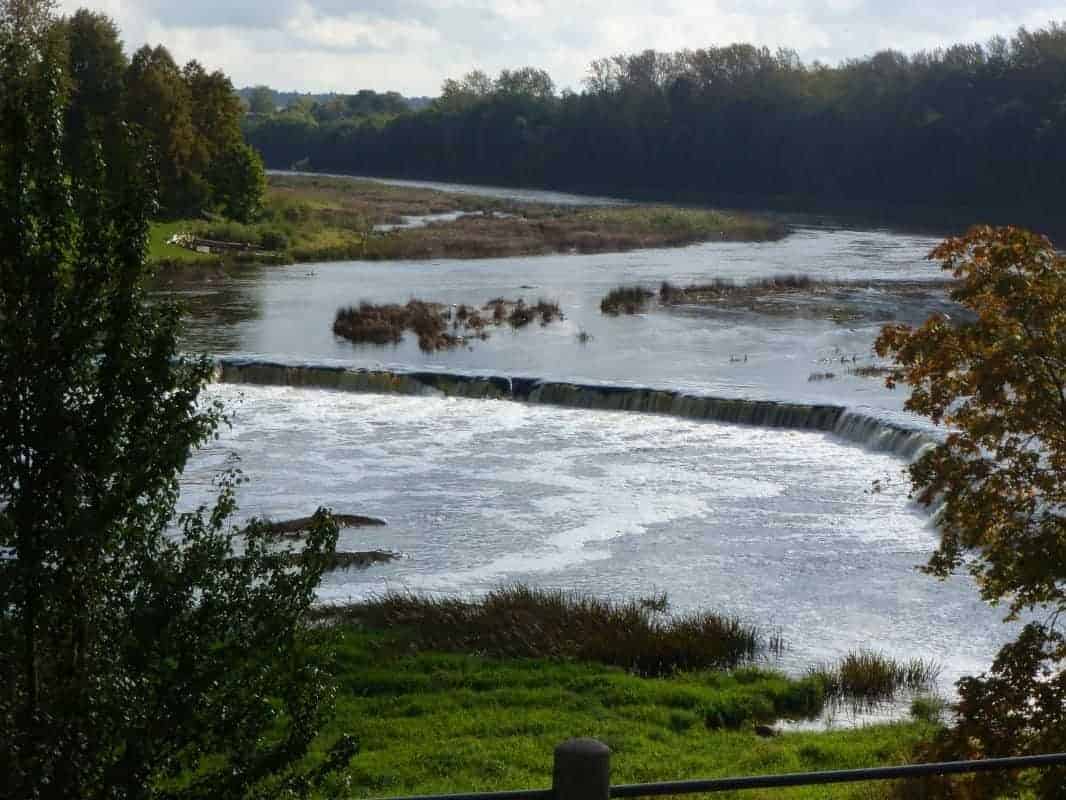
River Venta, Kuldīga
Ten years ago, for my last ‘big’ birthday, I was treated to a trip to Latvia. I loved Riga, including memorable visits to the open-air museum there and to the opera to see an imaginitive production of ‘Eugene Onegin’, during which a naked man with a wolf’s head walked across the stage. What was that about? Also Tatiana performed the famous letter scene clambering about on a huge bed, typing on her laptop. I do like to see productions of my favourite opera whenever I get the chance, and this was one I won’t forget. I don’t mean to be critical – I really enjoyed it. And the Riga opera house itself is lovely.
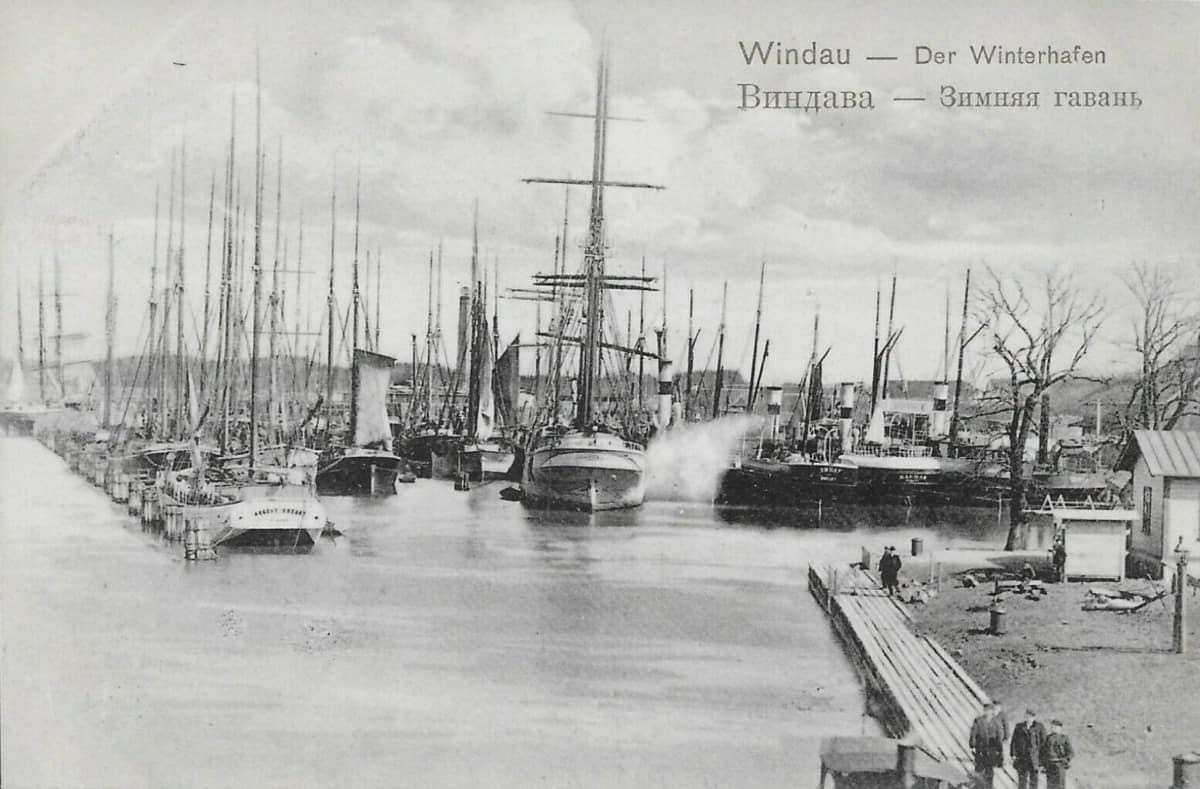
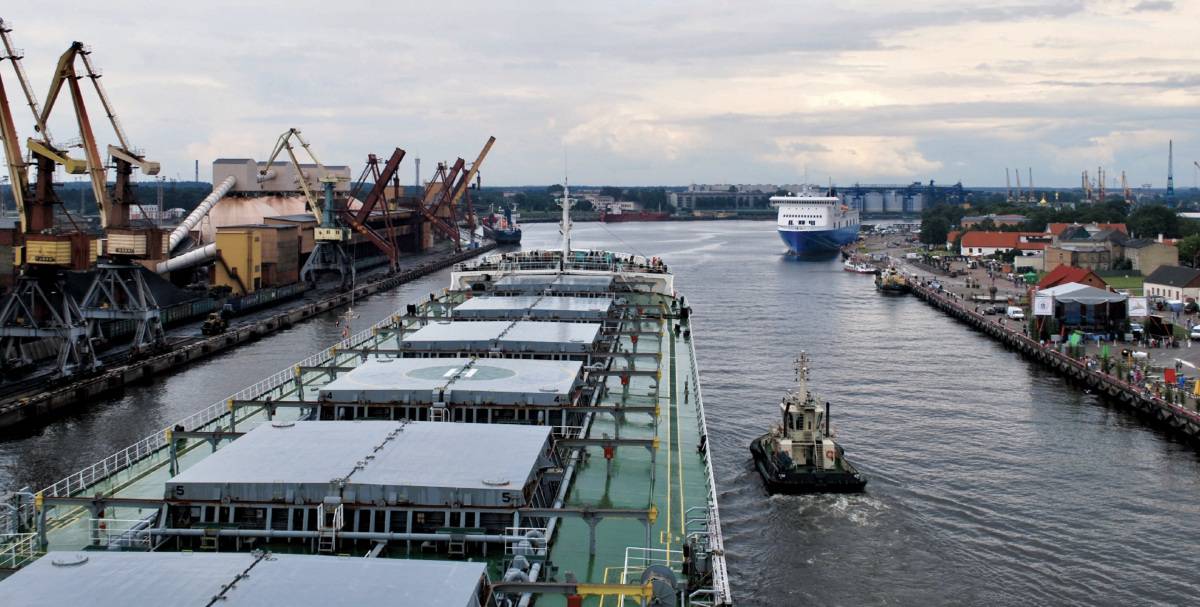
We spent a few days away from Riga as I wanted to travel across the country to the town of Ventspils on the coast. This was by way of research for a piece of fiction I started writing a long time ago, set around 1905. This hasn’t progressed a great deal in the intervening years but I haven’t abandoned it altogether. Ventspils interested me because my main character has to travel back to Britain from Russia in the winter and it was common then to go to this port (then called Windau) as the sea there didn’t freeze and ships could get in and out, which was not possible for several months of the year at Russian ports further north.
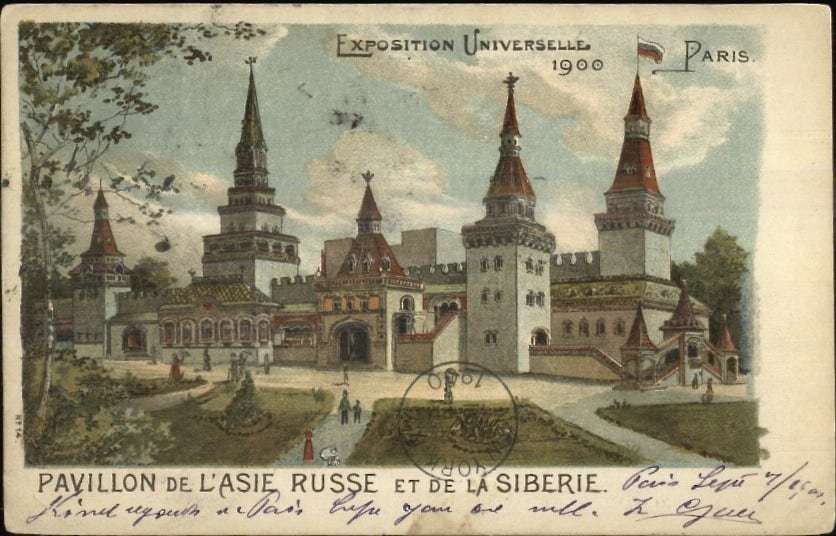
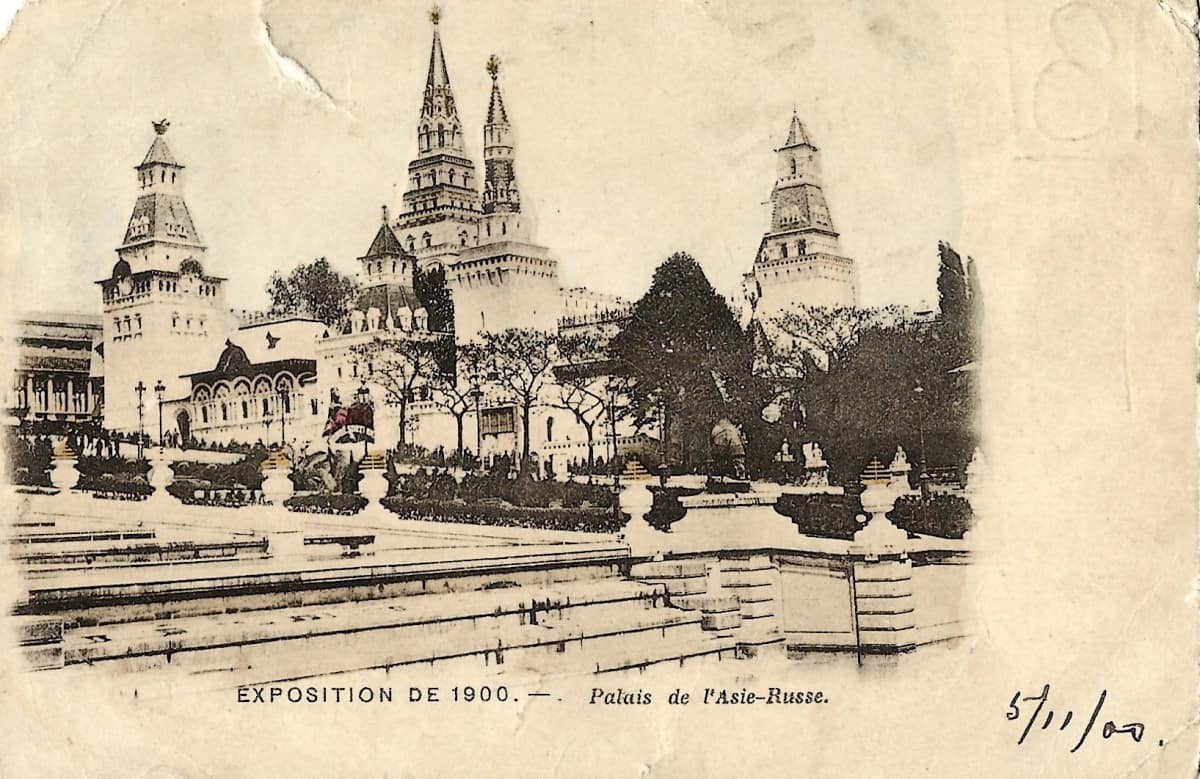
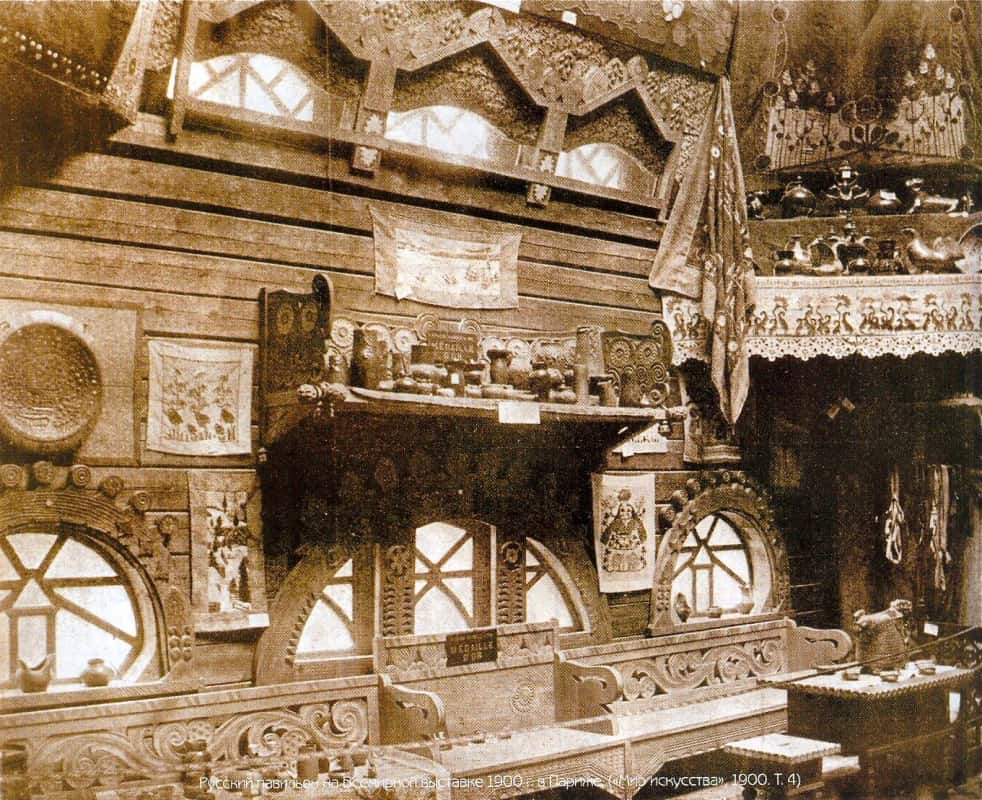
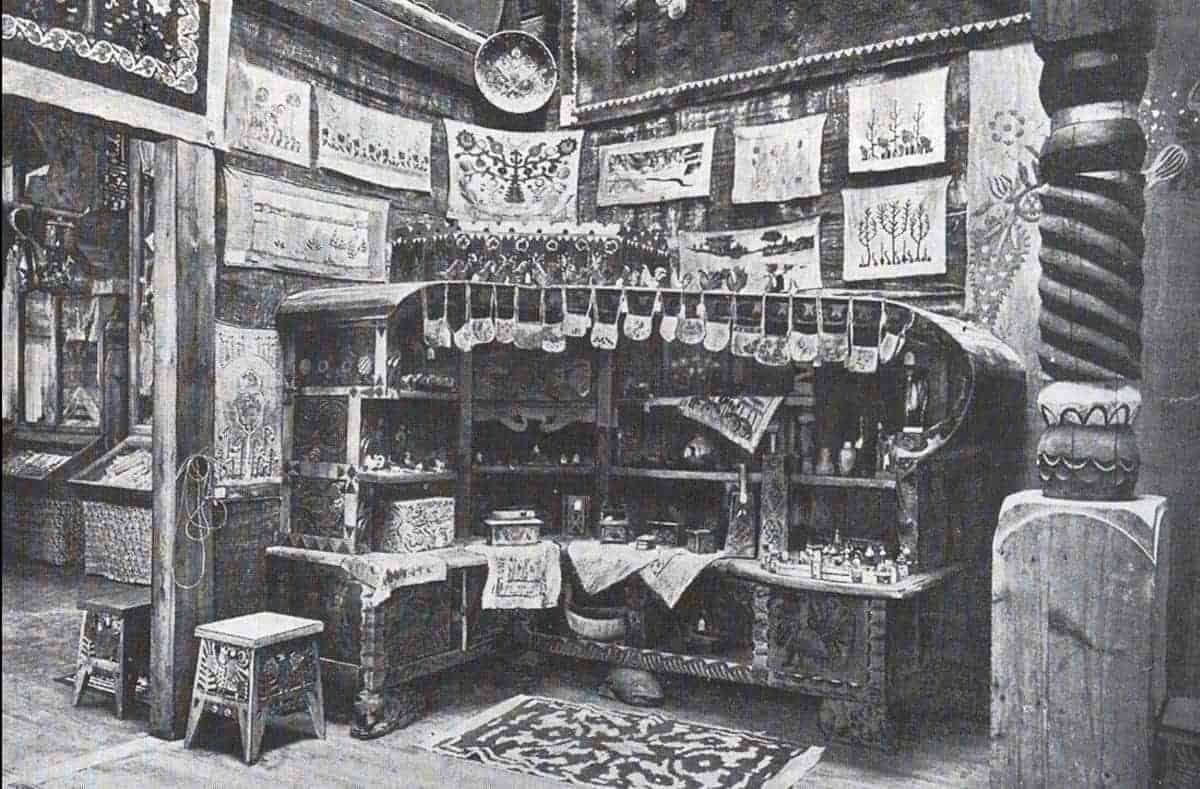
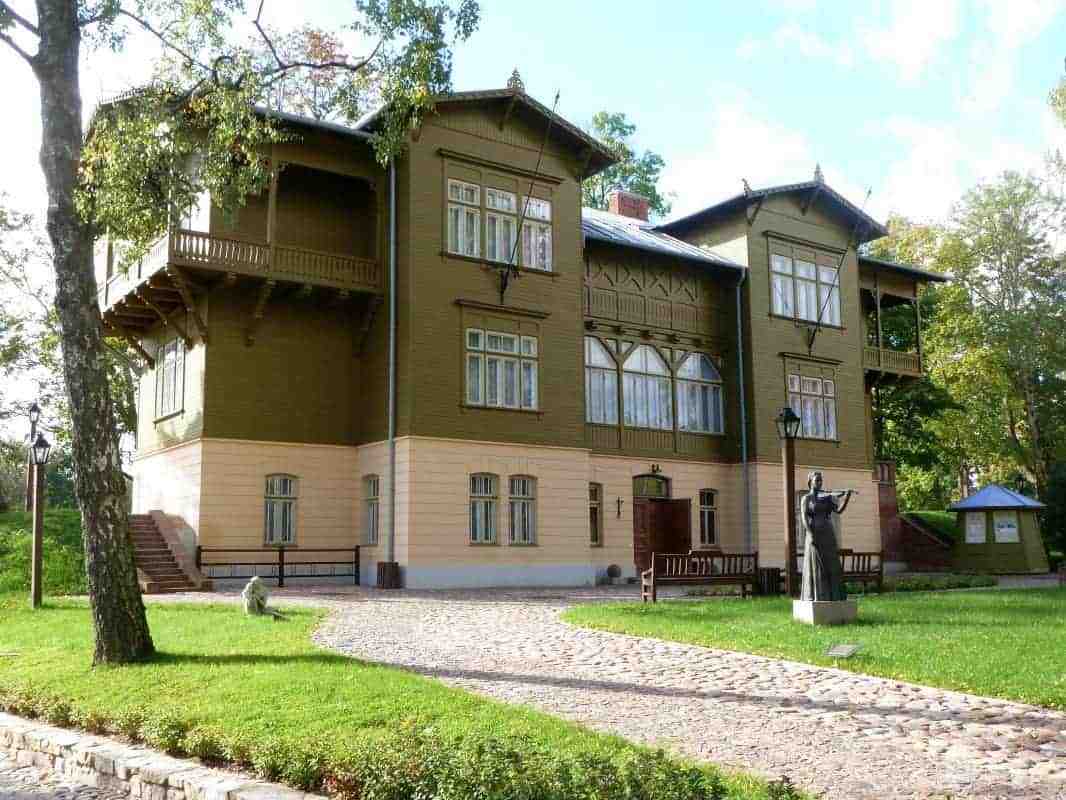
We broke the bus journey from Riga to Ventspils by staying in Kuldīga. Reading my ‘Rough Guide to the Baltic States’ before the trip I’d discovered that, in the park ‘stands the Kuldīga District Museum, occupying a wooden house built in 1900 to serve as the Russian pavilion at the Exposition Universelle in Paris.’ Imagine my excitement as I anticipated seeing something like this, or part of it:
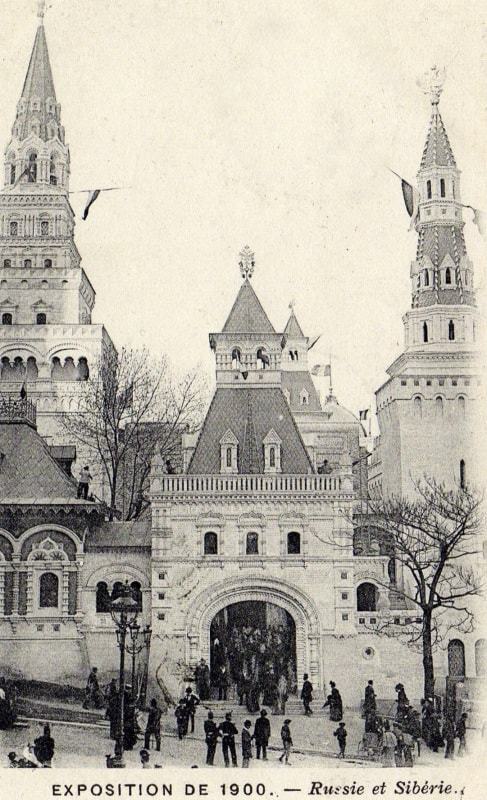
I have read a lot about the Russian pavilion at the 1900 Exposition in connection with my interest in the Russian equivalent of the Arts & Crafts movement. The Russian presence in Paris was orchestrated by Prince and Princess Tenishev, whose estate in Talashkino near Smolensk was one of the principal sites associated with Arts and Crafts. Princess Tenisheva filled the area devoted to crafts with products from Talashkino, including embroideries and carved wooden artefacts.



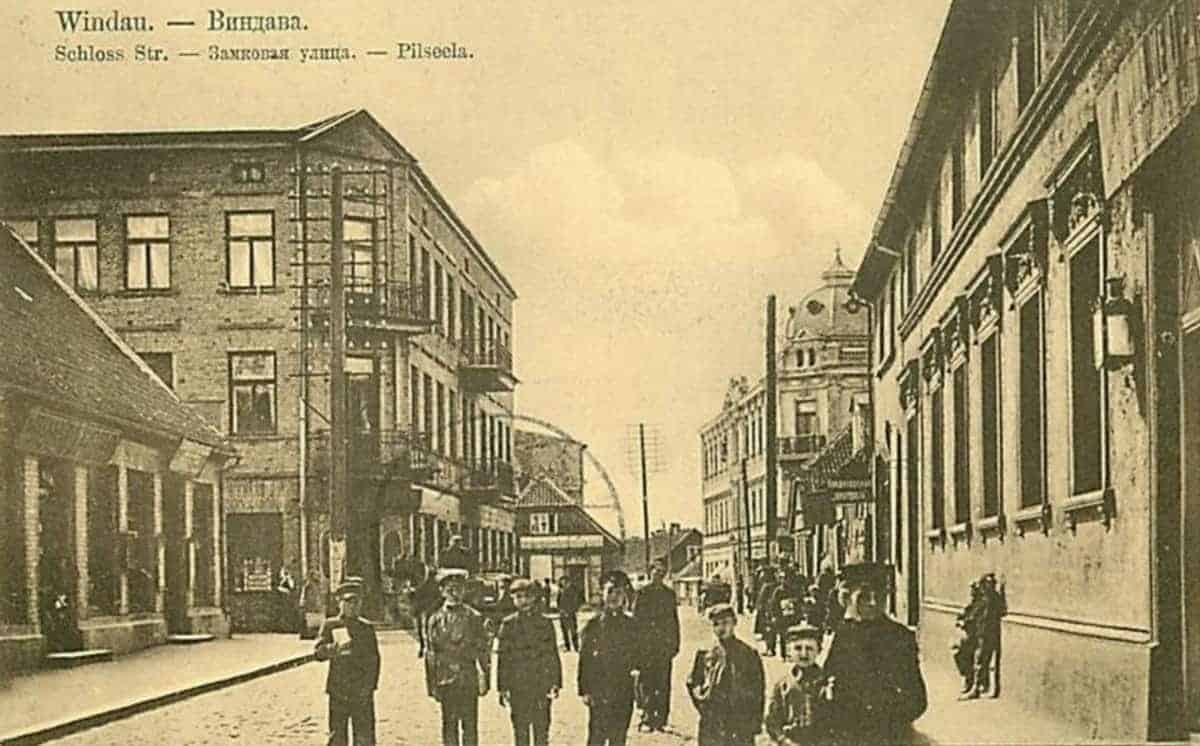
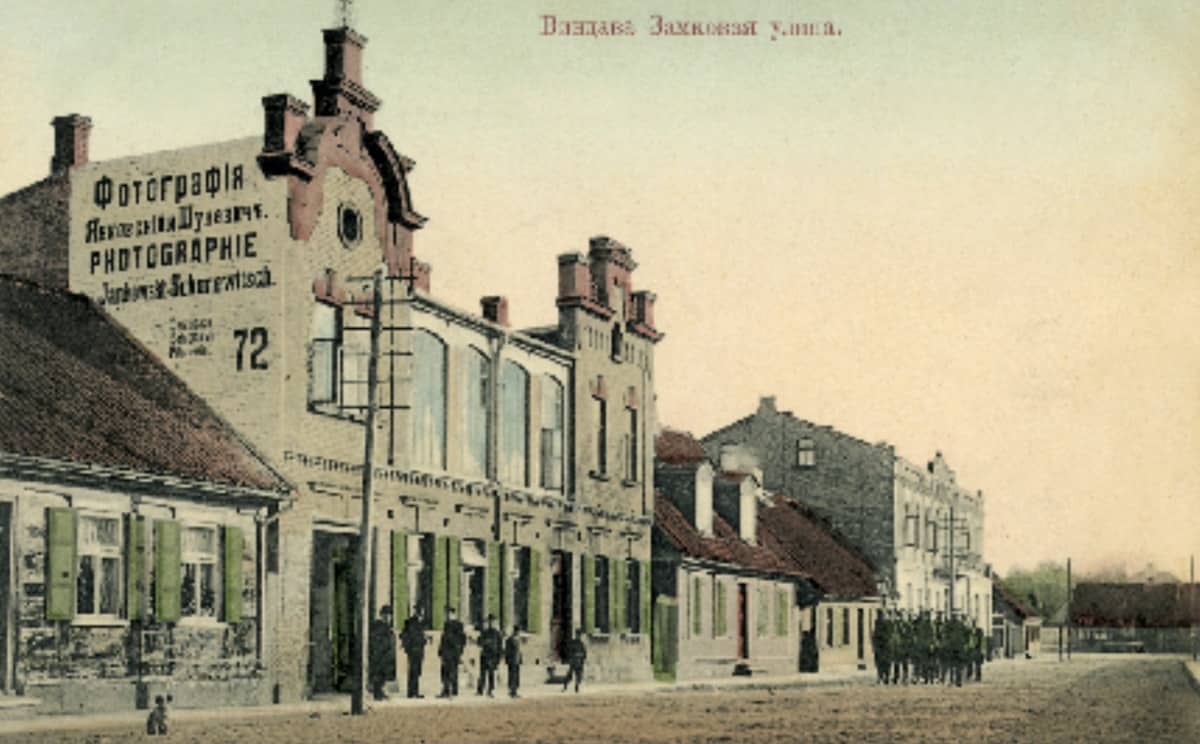
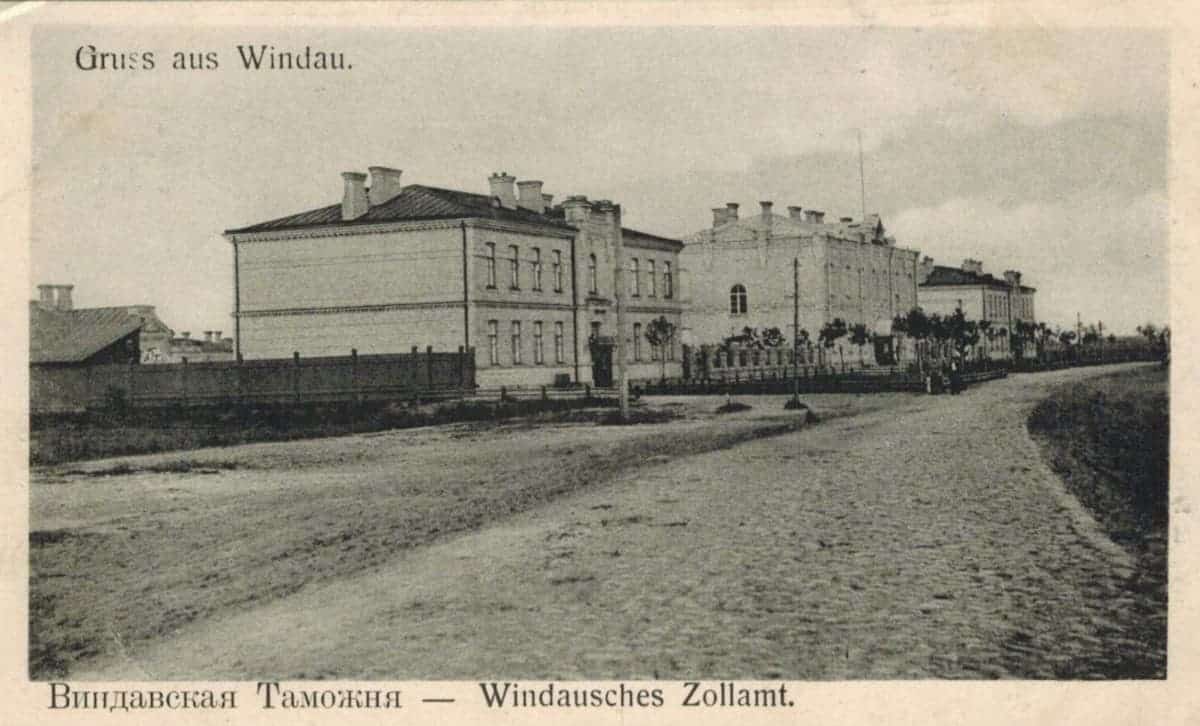
By the time we reached Ventspils the weather had taken a turn for the worse, so I took very few photographs there. But we were able to see how the port looks now, compared with images of pre-Revolutionary Windau.